Being alive and healthy means more than avoiding a hospital bed. It means having the energy, physical function, and mental clarity to do the things that matter to you, year after year.
The World Health Organization defines health as a complete state of physical, mental, and social wellbeing, not merely the absence of disease. Research from the Harvard T.H. Chan School of Public Health shows that five core lifestyle habits, including diet quality, can extend healthy life expectancy by more than a decade compared to people who follow none of them.
This article covers what genuine health actually requires from a food and nutrition perspective. You’ll learn which nutrients matter most, which foods hold up under research scrutiny, how preparation affects what you absorb, and how your needs shift across your lifetime.
What Does It Mean to Be Alive and Healthy
Being alive and healthy describes a state where your body’s systems function well, your energy is sustained, your immune defenses are operational, and you’re not accumulating the chronic disease burden that shortens healthy years.
The distinction between being alive and being healthy is real. A person can be alive while managing uncontrolled blood pressure, chronic fatigue, persistent inflammation, and nutritional deficiencies. That is not the same as being healthy in any meaningful sense.
The WHO’s definition is useful because it broadens the frame beyond physical metrics. Blood pressure and cholesterol numbers matter. So does the ability to sleep well, manage emotional stress, maintain muscle mass, and eat in a way that’s sustainable rather than punishing.
From a nutrition standpoint, being genuinely healthy requires consistent intake of all essential macronutrients (protein, carbohydrates, and fats) and micronutrients (vitamins and minerals). No single food achieves this. Dietary patterns over time are what drive outcomes, not individual meals.
Think of it like a bank account. One good meal doesn’t make you rich. One bad meal doesn’t bankrupt you. The consistent deposits and withdrawals over years are what determine where you end up.
| Health Dimension | What It Requires | Primary Nutritional Support |
|---|---|---|
| Physical energy | Steady blood glucose, iron, B vitamins | Whole grains, legumes, leafy greens |
| Immune defense | Zinc, vitamin C, vitamin D, protein | Citrus, fish, eggs, nuts, seeds |
| Cardiovascular function | Low saturated fat, high fiber, potassium | Oats, beans, fish, vegetables |
| Bone integrity | Calcium, vitamin D, magnesium, vitamin K | Dairy, fatty fish, green vegetables |
| Cognitive clarity | Omega-3 fatty acids, B12, folate | Oily fish, eggs, leafy greens |
| Gut function | Dietary fiber, fermented foods | Legumes, oats, kefir, kimchi |
Core Nutrients Your Body Needs to Stay Healthy
Your body requires six categories of essential nutrients to stay alive and healthy: carbohydrates, proteins, fats, vitamins, minerals, and water.
Each category serves distinct functions. Carbohydrates provide the primary energy source for brain and muscle function. Proteins supply the amino acids your body uses to build and repair tissue. Fats, particularly polyunsaturated fats, support cell membrane integrity and hormone production.
Among micronutrients, a few stand out for how commonly they’re under-consumed. Vitamin D (calciferol) supports calcium absorption, immune modulation, and muscle function. The NIH reports that approximately 42% of American adults have insufficient vitamin D levels. Magnesium is involved in over 300 enzymatic reactions in the human body, including energy metabolism and protein synthesis. Many adults consume less than the recommended 310 to 420 milligrams per day.
Iron deficiency is the most common nutritional deficiency globally, according to the WHO. It impairs oxygen delivery to cells, causing fatigue, reduced concentration, and weakened immune response. Women of reproductive age face higher iron needs than men, at 18 milligrams per day compared to 8 milligrams per day for adult men.
Key nutrients that most adults don’t consume in sufficient amounts include:
- Potassium: supports blood pressure regulation; recommended intake is 4,700 milligrams per day (USDA)
- Dietary fiber: supports digestive transit and LDL cholesterol reduction; recommended at 25 to 38 grams per day
- Calcium: essential for bone density; recommended at 1,000 to 1,200 milligrams per day depending on age
- Omega-3 fatty acids (docosahexaenoic acid/DHA and eicosapentaenoic acid/EPA): support cardiovascular and cognitive function
- Folate (vitamin B9): essential for DNA synthesis and cell division; critical during pregnancy
People following strict vegan diets should pay particular attention to vitamin B12, as it is found almost exclusively in animal foods. Supplementation or fortified foods are required to prevent deficiency.
Foods That Support Longevity and Long-Term Health
The foods most consistently linked to long-term health and longevity are whole, minimally processed plants, oily fish, legumes, and fermented foods.
Blue Zones research, the population study of communities with the highest concentrations of centenarians conducted by researcher Dan Buettner, identified dietary patterns common across Sardinia (Italy), Okinawa (Japan), Nicoya (Costa Rica), Icaria (Greece), and Loma Linda (California). In all five communities, plant foods dominated. Legumes appeared at virtually every meal. Meat was eaten sparingly, if at all.
This doesn’t mean meat causes early death. It means that the quantities eaten in those communities were far smaller than typical Western consumption, and the dietary landscape around meat was built primarily from plants.
Specific food categories with strong research backing include:
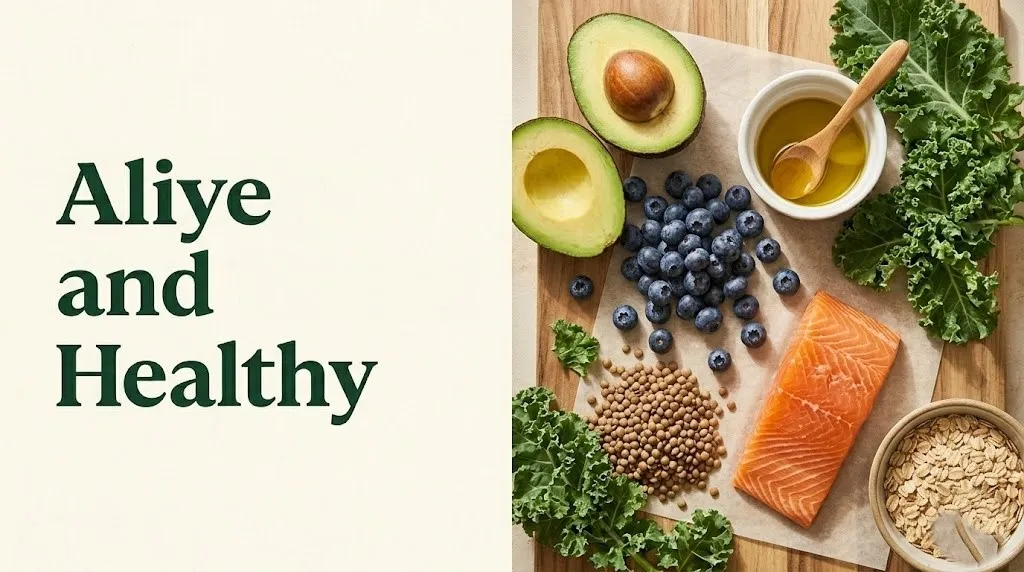
- Oily fish (salmon/Salmo salar, mackerel, sardines/Sardina pilchardus): high in DHA and EPA, linked to reduced cardiovascular risk
- Legumes (lentils, chickpeas/Cicer arietinum, black beans): high in fiber, plant protein, and resistant starch; linked to blood sugar stability
- Cruciferous vegetables (broccoli/Brassica oleracea var. italica, kale/Brassica oleracea var. sabellica, Brussels sprouts): contain glucosinolates, compounds with demonstrated antioxidant activity
- Berries (blueberries, strawberries; Vaccinium species): high in polyphenols and anthocyanins, associated with reduced inflammatory markers
- Extra-virgin olive oil: primary fat in the Mediterranean diet; linked to lower cardiovascular event rates in the PREDIMED trial
- Whole grains (oats/Avena sativa, quinoa/Chenopodium quinoa, brown rice): provide B vitamins, minerals, and fiber
- Fermented foods (kefir, kimchi, miso, sauerkraut, tempeh): associated with gut microbiome diversity in recent research
People with tree nut or fish allergies should work with a registered dietitian to find alternative sources of the same key nutrients, particularly omega-3 fatty acids and protein.
Key Takeaway: Being alive and healthy is a product of consistent dietary patterns over time. No single meal determines your health, but eating mostly whole, minimally processed foods with nutritional variety across all food groups is the pattern most supported by global longevity research.
Anti-Inflammatory Eating and Why It Matters
Anti-inflammatory eating refers to a dietary pattern designed to reduce chronic, low-grade inflammation in the body, which is a contributing factor in cardiovascular disease, type 2 diabetes, and certain cancers.
Inflammation is a normal immune response to injury or infection. The problem arises when it becomes chronic and systemic, persisting without an acute trigger. A study published in the American Journal of Clinical Nutrition found that diets high in refined carbohydrates, trans fats, and ultra-processed foods are associated with elevated C-reactive protein (CRP), a key marker of systemic inflammation.
Foods with the strongest anti-inflammatory evidence include:
- Fatty fish (two or more servings per week): DHA and EPA inhibit pro-inflammatory eicosanoid production
- Walnuts and flaxseed: contain alpha-linolenic acid (ALA), a plant-based omega-3 precursor
- Turmeric (Curcuma longa): contains curcumin, shown to reduce CRP levels in controlled trials at doses of 1,000 to 1,500 milligrams per day of standardized extract
- Extra-virgin olive oil: contains oleocanthal, a compound with cyclooxygenase (COX)-inhibiting activity similar to ibuprofen
- Leafy greens (spinach/Spinacia oleracea, Swiss chard): provide vitamin K (phylloquinone), magnesium, and flavonoids
- Berries: anthocyanins reduce NF-kB pathway activity, a central driver of inflammatory signaling
Foods consistently associated with higher inflammatory markers include refined sugars, highly processed seed oils high in omega-6 fatty acids when consumed in excess, refined white flour, processed meats, and alcohol consumed regularly above moderate levels.
People with autoimmune conditions, including rheumatoid arthritis or inflammatory bowel disease, may see the most pronounced effects from dietary anti-inflammatory strategies. A rheumatologist or gastroenterologist can advise on whether dietary changes are appropriate alongside prescribed treatment.
Heart-Healthy Eating Habits Backed by Research
A heart-healthy diet reduces the risk of coronary artery disease, hypertension, stroke, and heart failure primarily by managing cholesterol levels, blood pressure, and systemic inflammation.
The American Heart Association recommends a dietary pattern that emphasizes vegetables, fruits, whole grains, lean protein, and healthy fats while limiting sodium to under 2,300 milligrams per day, added sugars to below 10% of total daily calories, and saturated fat to below 6% of daily calories for people managing cardiovascular risk.
The DASH diet (Dietary Approaches to Stop Hypertension), developed with NIH support, was shown in clinical trials to lower systolic blood pressure by 8 to 14 mmHg in people with hypertension. Its core structure emphasizes potassium-rich foods, magnesium, calcium, and reduced sodium intake.
| Food Category | Heart-Healthy Choices | What to Limit |
|---|---|---|
| Fats | Extra-virgin olive oil, avocado, walnuts | Butter, lard, coconut oil (high in saturated fat) |
| Protein | Oily fish, legumes, skinless poultry | Processed meats, heavily marbled red meat daily |
| Grains | Rolled oats, brown rice, barley | Refined white bread, sugary cereals |
| Dairy | Low-fat yogurt, kefir | Full-fat processed cheese in large quantities |
| Vegetables | All varieties; especially leafy greens | No vegetables are off-limits |
| Beverages | Water, unsweetened tea | Sugary drinks, excessive alcohol |
People with existing heart disease, heart failure, or a history of cardiac events should have dietary planning guided by a cardiologist or cardiac dietitian, as specific conditions carry distinct requirements (for example, fluid restriction in heart failure or specific potassium limits in kidney disease affecting cardiac function).
Blood Sugar Balance Through Daily Food Choices
Blood sugar balance means keeping glucose levels from spiking sharply after meals and crashing between them, which supports sustained energy, metabolic health, and long-term insulin sensitivity.
The glycemic index (GI) and glycemic load (GL) are two tools for understanding how different foods affect blood glucose. High-GI foods (white bread, sugary drinks, instant rice) cause rapid glucose rises. Low-GI foods (legumes, non-starchy vegetables, whole grains) produce slower, more gradual increases.
According to the American Diabetes Association, a dietary pattern high in fiber, low in refined carbohydrates, and moderate in total carbohydrate intake is associated with better long-term blood sugar control. Dietary fiber, particularly soluble fiber like beta-glucan found in oats (Avena sativa), slows gastric emptying and delays glucose absorption.
Practical strategies for daily blood sugar balance include:
- Pair carbohydrate-containing foods with protein or fat at each meal. This slows digestion and reduces the glucose spike.
- Choose whole fruit over fruit juice. The fiber in whole fruit moderates absorption. Juice removes it.
- Eat in a consistent pattern. Irregular meal timing is associated with greater glucose variability.
- Choose vinegar-based dressings or fermented condiments with meals. A small amount of acetic acid (the active compound in vinegar) has been shown to reduce postprandial glucose response.
- Prioritize non-starchy vegetables to fill half your plate before adding grains or starchy foods.
People living with type 1 or type 2 diabetes should have carbohydrate targets and meal timing established with a certified diabetes care and education specialist (CDCES) rather than applying general guidance alone.
Key Takeaway: Anti-inflammatory eating, heart-healthy habits, and blood sugar balance all point to the same dietary pattern: high in fiber, rich in vegetables and whole grains, moderate in lean protein, and low in refined carbohydrates and ultra-processed foods.
Immune System Nutrition and What Research Shows
Your immune system’s ability to respond to pathogens, repair tissue, and regulate inflammatory responses depends directly on the nutritional raw materials you provide it.
Vitamin C (ascorbic acid) stimulates the production and function of white blood cells, particularly lymphocytes and phagocytes. The NIH recommends 75 to 90 milligrams per day for adults, with higher amounts during illness or physical stress. Bell peppers, kiwi fruit, broccoli, and citrus are among the richest food sources.
Zinc is required for the development and function of immune cells. Deficiency impairs both innate and adaptive immunity. The NIH recommends 8 milligrams per day for women and 11 milligrams per day for men. Shellfish (especially oysters), red meat, pumpkin seeds, and legumes provide zinc. Strict vegans may absorb less zinc due to phytate content in plant foods and may benefit from slightly higher intake.
Vitamin D (calciferol) receptors are found on virtually every immune cell type. Research from the British Journal of Nutrition showed that supplementing vitamin D in deficient individuals reduced the risk of acute respiratory infections by approximately 12% compared to placebo.
| Immune-Supporting Nutrient | Primary Food Sources | Daily Target (Adults) |
|---|---|---|
| Vitamin C (ascorbic acid) | Bell peppers, kiwi, broccoli, citrus | 75 to 90 mg |
| Zinc | Oysters, beef, pumpkin seeds, lentils | 8 to 11 mg |
| Vitamin D (calciferol) | Fatty fish, fortified milk, eggs | 600 to 800 IU |
| Selenium | Brazil nuts, tuna, eggs, sunflower seeds | 55 mcg |
| Vitamin A (retinol/beta-carotene) | Sweet potato, carrots, spinach, liver | 700 to 900 mcg RAE |
| Iron | Red meat, lentils, fortified cereals | 8 to 18 mg (varies by sex/age) |
People who smoke, consume alcohol regularly, or are managing chronic illness have higher requirements for several of these nutrients, particularly vitamins C and D and zinc. A registered dietitian can help identify gaps based on individual circumstances.
Whole Foods vs Processed Foods: What the Evidence Says
Whole foods are minimally or unprocessed foods that retain their natural nutritional structure. Ultra-processed foods are industrially manufactured products with multiple additives, emulsifiers, flavor agents, and preservatives not typically found in a home kitchen.
The distinction between processed and ultra-processed matters. Canned tomatoes are processed but retain nutritional value. A shelf-stable flavored snack cake is ultra-processed and offers minimal nutritional return per calorie.
A 2019 study published in the British Medical Journal following over 100,000 French adults found that a 10% increase in the proportion of ultra-processed foods in the diet was associated with a 12% increase in overall cancer risk and an 11% increase in breast cancer risk. Causation was not established, but the association was consistent across multiple analyses.
The NOVA food classification system, developed by researchers at the University of São Paulo, categorizes foods into four groups based on the degree of processing:
- Group 1: Unprocessed or minimally processed foods (fresh vegetables, whole grains, plain meat, eggs, milk)
- Group 2: Processed culinary ingredients (salt, butter, oils, flour, sugar used in cooking)
- Group 3: Processed foods (canned vegetables, cheese, cured meats, fermented foods)
- Group 4: Ultra-processed foods (packaged snacks, sugary drinks, instant noodles, reconstituted meat products)
The USDA Dietary Guidelines for Americans recommend building meals primarily from Group 1 and Group 2 foods, with Group 3 in moderation. Group 4 foods displace more nutritious options and tend to drive excess sodium, sugar, and calorie intake.
People on tight budgets should know that frozen vegetables (Group 1 or 3 depending on whether they have added salt) and canned beans are genuinely nutritious options. Ultra-processed does not mean “anything from a package.”
Plant Protein vs Animal Protein for Long-Term Health
Both plant and animal proteins provide the essential amino acids your body cannot synthesize. The key differences lie in amino acid completeness, digestibility, accompanying nutrients, and long-term health associations.
Animal proteins (meat, fish, eggs, dairy) are complete proteins containing all nine essential amino acids in proportions that match human needs. Meat also delivers heme iron, vitamin B12, and zinc in forms with high bioavailability.
Most plant proteins (legumes, nuts, seeds, grains) are incomplete individually, meaning they’re lower in one or more essential amino acids. However, combining different plant protein sources across the day (beans with grains, nuts with legumes) provides a complete amino acid profile. Quinoa (Chenopodium quinoa) and soy (Glycine max) are the two plant foods that are complete proteins independently.
A 2020 study in JAMA Internal Medicine found that replacing 3% of daily calories from animal protein with plant protein was associated with a 10% lower risk of death from all causes, particularly when replacing processed red meat.
| Protein Source | Protein per 100g | Complete Amino Acids? | Notable Co-Nutrients |
|---|---|---|---|
| Chicken breast (cooked) | 31g | Yes | Niacin, selenium, B6 |
| Salmon (cooked) | 25g | Yes | DHA, EPA, vitamin D |
| Lentils (cooked) | 9g | No (low methionine) | Folate, iron, fiber |
| Chickpeas (cooked) | 8.9g | No (low methionine) | Fiber, manganese |
| Quinoa (cooked) | 4.4g | Yes | Magnesium, iron, fiber |
| Tofu (firm) | 8g | Yes | Calcium, iron |
| Eggs (large) | 13g per 100g | Yes | Choline, B12, vitamin D |
People with kidney disease should not increase protein intake without medical supervision, as high protein loads can accelerate kidney function decline in those with existing impairment.
Key Takeaway: Both plant and animal proteins support health. The research increasingly suggests that diets centered on plant proteins, with animal protein as a complement rather than the foundation, are associated with better long-term health outcomes in population studies.
Cooking Methods That Protect the Nutrients in Your Food
The way you cook food changes what nutrients survive to reach your plate.
Boiling vegetables causes the most nutrient loss. Water-soluble vitamins, particularly vitamin C (ascorbic acid) and B vitamins including folate, leach into cooking water. A 2009 study in the Journal of the Science of Food and Agriculture found that boiling broccoli reduced its vitamin C content by 34% and its glucosinolate content by up to 77%.
Steaming is consistently one of the best methods for preserving water-soluble vitamins. It applies heat without submerging food in water. Steamed broccoli retained significantly more vitamin C than boiled broccoli across multiple comparative studies.
Roasting and baking work well for root vegetables and starchy foods. High dry heat creates Maillard browning that enhances flavor but can reduce some heat-sensitive vitamins. Vitamin C is particularly vulnerable to heat above 70°C (158°F).
Sautéing with olive oil benefits fat-soluble vitamins (A, D, E, K) and carotenoids like lycopene and beta-carotene. These compounds are better absorbed in the presence of dietary fat.
| Cooking Method | Nutrient Retention | Best For |
|---|---|---|
| Steaming | High (water-soluble vitamins preserved) | Broccoli, spinach, asparagus, fish |
| Roasting | Medium (fat-soluble vitamins good) | Root vegetables, poultry, legumes |
| Sautéing with oil | High for fat-soluble; some loss of C | Leafy greens, tomatoes, peppers |
| Boiling (long) | Lowest (nutrients leach into water) | Soups where you drink the liquid |
| Raw | No heat loss | Salad vegetables, fruits, fermented foods |
| Microwaving | High (short time, low water) | Most vegetables |
If you boil vegetables, drink or use the cooking water. Most of the lost water-soluble vitamins are now in there. Soups and stews naturally capture this.
Healthy Eating by Life Stage: Children, Adults, and Seniors
Nutritional needs change across the lifespan in ways that make a one-size-fits-all eating plan inadequate.
Children (ages 2 to 12) are in rapid growth phases requiring higher relative intakes of calcium, vitamin D, and iron per kilogram of body weight than adults. The USDA recommends that children aged 4 to 8 consume 1,000 milligrams of calcium per day. Iron-deficiency anemia affects cognitive development and concentration, making iron-rich food a priority. Variety early in life builds food acceptance patterns that carry into adulthood.
Adults (ages 19 to 50) face the challenge of maintaining nutrient density while managing higher caloric demands from activity, work, and stress. This life stage is when chronic disease patterns often begin silently. Fiber intake is typically lowest in this group despite having the highest physical activity levels.
Adults over 50 experience declining stomach acid production, which reduces absorption of vitamin B12, calcium, and iron from food. The NIH recommends that adults over 50 get B12 from crystalline supplements or fortified foods, since the form in supplements is more readily absorbed than food-bound B12. Protein requirements increase, not decrease, in older adults to protect muscle mass. The recommended intake rises to approximately 1.0 to 1.2 grams per kilogram of body weight per day, compared to 0.8 grams for younger adults.
Pregnant individuals have elevated needs for folate (to prevent neural tube defects), iron, iodine, and DHA. The CDC recommends 400 micrograms of folic acid daily before conception and 600 micrograms daily during pregnancy.
People with specific medical conditions (chronic kidney disease, celiac disease, phenylketonuria, or inflammatory bowel disease) have dietary requirements that differ substantially from general guidelines. Working with a registered dietitian is the appropriate step when managing nutrition alongside a diagnosed condition.
Key Takeaway: Cooking methods affect nutrient delivery as much as food choice does. Steaming, microwaving, and sautéing with oil generally preserve more of the nutrients you’re aiming to consume than boiling alone.
How to Eat Healthy on a Realistic Budget
Eating well on a limited budget is possible. It requires prioritizing specific categories of foods that deliver the highest nutritional return per dollar.
The most cost-effective nutritious foods, consistently across studies, are dried or canned legumes (lentils, chickpeas, black beans), frozen vegetables, canned fish (especially sardines and salmon), whole oats, eggs, and seasonal produce bought directly or from discount grocery chains.
A 2021 analysis from the Harvard School of Public Health estimated that a healthy diet costs approximately $1.50 more per day than an unhealthy one at the individual level. That is the equivalent of about $550 per year, which sounds significant until distributed across a household. And that estimate doesn’t account for the long-term healthcare cost reduction associated with diet-related disease prevention.
Budget-friendly, high-nutrition food choices include:
- Dried lentils: approximately $0.08 to $0.15 per serving with 9 grams of protein and 8 grams of fiber per cooked cup
- Frozen spinach (Spinacia oleracea): equal nutritional value to fresh; often significantly cheaper
- Canned sardines (Sardina pilchardus): excellent source of DHA, EPA, calcium, and vitamin D at a fraction of fresh fish cost
- Rolled oats (Avena sativa): beta-glucan fiber, B vitamins, and minerals for approximately $0.15 to $0.25 per serving
- Eggs: complete protein source with choline, vitamin D, and B12; among the lowest cost-per-gram protein options
- Canned tomatoes: contain lycopene; bioavailability of lycopene is higher in cooked tomatoes than raw
- Cabbage (Brassica oleracea var. capitata): one of the cheapest cruciferous vegetables; contains vitamin C, folate, and glucosinolates
People with SNAP or food assistance benefits should note that many farmers markets accept EBT cards, often with matching incentive programs that effectively double purchasing power for fruits and vegetables.
Healthy Meal Planning and Grocery Shopping Done Right
Meal planning reduces food waste, controls spending, and makes nutritionally consistent eating far easier than deciding what to eat at the moment you’re already hungry.
The goal of meal planning is not creating a rigid schedule. It’s reducing the number of in-the-moment food decisions you make, which are typically the decisions that favor convenience over nutrition.
A practical weekly meal planning structure:
- Before shopping, check what protein, grains, and vegetables you already have. Build meals around existing ingredients before buying new ones.
- Plan for three to four dinners, not seven. Leftovers and simple repeat meals reduce planning burden.
- Choose one versatile grain (brown rice, quinoa, or rolled oats), one or two proteins (a dried legume plus one animal protein), and four to five vegetable types.
- Write a grocery list organized by store section: produce, proteins, grains, dairy or alternatives, pantry staples. This reduces impulse buying.
- Buy whole vegetables rather than pre-cut when budget is a concern. Pre-cut produce carries a significant price premium.
- Check unit prices, not package prices. A larger package of oats at a higher sticker price is almost always cheaper per serving than a smaller package.
- Plan one “use everything up” meal at the end of the week. A vegetable stir-fry or grain bowl is an effective format for this.
Households managing food allergies (common ones include peanuts, tree nuts, wheat, dairy, eggs, soy, shellfish, and fish) should keep staple substitutes stocked. For example, certified gluten-free oats replace standard oats for people with celiac disease; sunflower seed butter replaces peanut butter for tree-nut-allergic households.
Portion Sizes and Calorie Awareness Without Obsessing
Portion awareness matters for health, but the goal is practical understanding, not calorie anxiety or rigid tracking that most people can’t sustain.
Calorie density is the concept that deserves the most attention. It refers to how many calories are in a given volume or weight of food. Vegetables and legumes are low in calorie density. They fill a large physical space with relatively few calories. Oils, nuts, and processed snack foods are high in calorie density. This doesn’t make them bad foods. It means small amounts count for more.
The USDA’s MyPlate model recommends that half of every meal plate consist of fruits and vegetables, a quarter consist of grains (preferably whole grains), and a quarter consist of protein foods. This is not a calorie-counting system. It’s a visual guide for proportions.
Standard reference portion sizes to know:
| Food | Standard Serving | Approximate Calories |
|---|---|---|
| Cooked whole grain (brown rice, quinoa) | 1/2 cup | 100 to 130 |
| Cooked legumes (lentils, chickpeas) | 1/2 cup | 115 to 135 |
| Leafy greens (raw) | 2 cups | 15 to 20 |
| Non-starchy vegetables (cooked) | 1 cup | 25 to 50 |
| Oily fish (salmon, mackerel) | 3 oz (85g) | 150 to 200 |
| Eggs | 1 large | 70 to 80 |
| Extra-virgin olive oil | 1 tablespoon | 120 |
| Nuts (mixed) | 1 oz (28g) | 160 to 185 |
| Plain low-fat yogurt | 3/4 cup | 100 to 130 |
People with a history of disordered eating or eating disorders should approach calorie awareness with caution. A registered dietitian who specializes in eating disorder recovery can help develop a relationship with food that supports health without reinforcing harmful patterns.
Key Takeaway: Meal planning, budget grocery strategies, and portion awareness are the practical infrastructure of healthy eating. Getting these systems in place makes consistent nutritious eating far more achievable than relying on willpower at individual moments.
Signs Your Diet May Be Missing Key Nutrients
Your body sends specific signals when nutritional intake falls below what it needs to function well.
Fatigue is one of the most common. It can signal iron deficiency (reduced oxygen delivery), vitamin B12 deficiency (impaired red blood cell production), or insufficient overall calorie intake. Fatigue is also associated with magnesium deficiency, which affects cellular energy production via ATP synthesis.
Skin changes are another indicator. Dry, flaky skin may reflect deficiency in essential fatty acids, vitamin A (retinol), or vitamin E (alpha-tocopherol). Cracked corners of the mouth, a condition called angular cheilitis, is commonly associated with riboflavin (vitamin B2) or iron deficiency.
Signs that may indicate nutritional gaps include:
- Persistent fatigue or low energy: possible iron, B12, vitamin D, or magnesium deficiency
- Brittle nails or hair thinning: often associated with low protein, zinc, or biotin intake
- Muscle cramps: can indicate magnesium, calcium, or potassium shortfall
- Slow wound healing: associated with zinc and vitamin C deficiency
- Frequent illness or slow recovery: may reflect low vitamin D, zinc, or vitamin C
- Bleeding or swollen gums: classic sign of vitamin C (ascorbic acid) deficiency
- Bone pain or stress fractures: associated with vitamin D and calcium inadequacy
- Numbness or tingling in hands or feet: may indicate B12 deficiency, particularly in older adults or strict vegans
None of these symptoms is diagnostic on its own. Many have non-nutritional causes. If you experience persistent, unexplained symptoms, a blood test ordered by a physician can identify specific deficiencies and guide supplementation decisions.
Self-diagnosing and self-supplementing without knowing your actual levels carries risk. Vitamin A and vitamin D toxicity are real at high supplemental doses. Iron supplementation in people without deficiency can cause gastrointestinal harm. Testing before supplementing is the sensible step.
Frequently Asked Questions About Staying Alive and Healthy
How many servings of vegetables do I need per day to stay healthy?
Most major dietary guidelines recommend at least 5 servings of vegetables and fruit combined per day, with vegetables making up the larger portion.
The USDA Dietary Guidelines suggest 2 to 3 cups of vegetables daily for adults, with variety across types: dark leafy greens, red and orange vegetables, legumes, and starchy vegetables.
Eating a wider variety of colors across the week is more useful than maximizing one type, as different pigments represent different phytonutrient families.
Is meat necessary to stay alive and healthy?
Meat is not required to stay alive and healthy, but its absence requires intentional planning to replace the nutrients it provides.
Vitamin B12, heme iron, zinc, and complete animal-source protein can all be obtained from a well-planned plant-based or vegetarian diet that uses fortified foods, eggs, and dairy (where applicable), or B12 supplementation for strict vegans.
Research from the Academy of Nutrition and Dietetics states that appropriately planned vegetarian and vegan diets are nutritionally adequate and health-supportive for all stages of life.
What is the single healthiest dietary pattern according to research?
No single dietary pattern is universally “healthiest,” but the Mediterranean diet consistently shows the strongest evidence base for reducing cardiovascular risk and all-cause mortality.
A 2018 review in the New England Journal of Medicine found that Mediterranean-style eating reduced cardiovascular events by approximately 25% to 30% in people at elevated risk.
The Mediterranean diet emphasizes olive oil, vegetables, legumes, whole grains, fish, and moderate dairy, with limited red meat and added sugar.
How much water should I actually drink each day?
The National Academies of Sciences recommends a total water intake of approximately 3.7 liters (125 oz) per day for men and 2.7 liters (91 oz) per day for women from all beverages and food combined.
Roughly 20% of daily water intake comes from food, particularly fruits and vegetables, so actual drinking targets are lower than those total figures suggest.
Physical activity, heat, pregnancy, and breastfeeding all increase water requirements beyond these baseline figures.
Can you eat fast food and still be genuinely healthy?
Yes, eating fast food occasionally does not prevent someone from being healthy, provided it’s a minor part of an otherwise nutrient-dense diet.
The issue with fast food as a dietary staple is the combination of high sodium (often 800 to 1,500 milligrams per item), high saturated fat, refined carbohydrates, and very low dietary fiber that characterizes most menu items.
Choosing grilled over fried options, adding a side salad, skipping sweetened drinks, and limiting portion sizes are strategies that reduce the nutritional gap when fast food is unavoidable.
The Practical Bottom Line
Staying alive and healthy in any meaningful sense comes down to consistent food patterns over time, not perfect individual choices. Eat mostly whole, minimally processed foods. Get enough protein across a mix of plant and animal sources. Cover your micronutrient bases through food variety rather than chasing supplements.
Pay attention to how you prepare food, not just what you buy. Cooking method, portion reality, and budget-smart shopping matter as much as the label on the package.
Start with what’s achievable. Build from there.