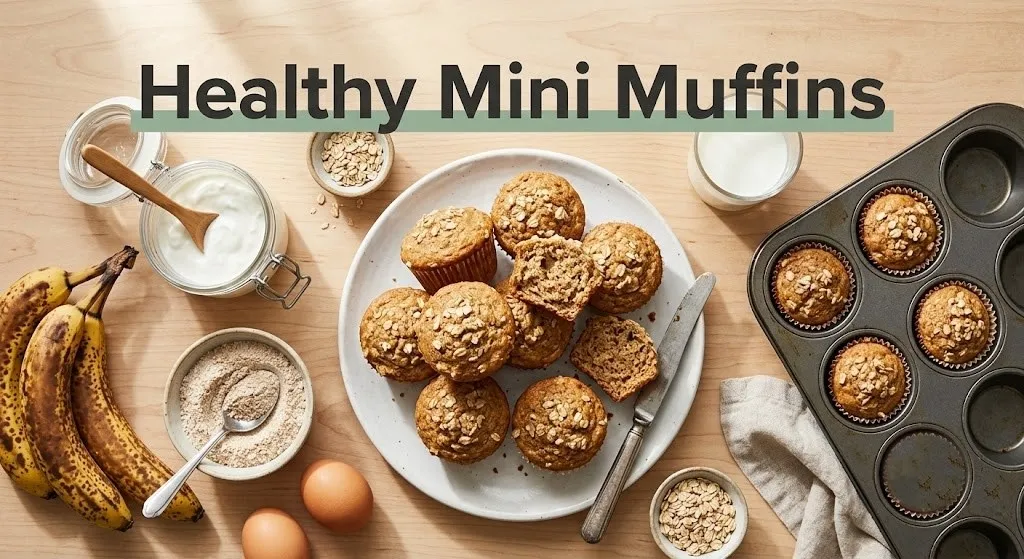
Healthy mini muffins deliver the same soft, tender crumb and satisfying sweetness as traditional muffins in a portion-controlled size that fits health goals rather than working against them. A standard bakery mini muffin contains approximately 100 to 150 calories and 8 to 15 grams of sugar, mostly from refined flour and added sugar. A healthy homemade mini muffin contains approximately 50 to 70 calories and 3 to 5 grams of added sugar, using whole grain flour, natural sweeteners from fruit, and protein from Greek yogurt or eggs to create a snack that earns its place in your day.
The American Heart Association recommends limiting added sugar to 25 grams per day for women and 36 grams for men. Three standard bakery mini muffins can deliver 30 to 45 grams of sugar, exceeding the entire daily limit before lunch. Three healthy homemade mini muffins deliver approximately 10 to 15 grams of sugar, mostly from fruit, leaving room for other foods within the daily sugar budget.
This article gives you a master recipe for healthy mini muffins, explains the nutritional rationale behind each ingredient choice, covers flavor variations from banana to blueberry to chocolate, and provides the techniques that make the difference between a healthy muffin that tastes like a compromise and one that disappears from the cooling rack before it has cooled. You will learn how different flours and fat sources affect the final product, how to make muffins that stay moist, and how to adapt the recipe for dietary restrictions from gluten-free to dairy-free.
Healthy mini muffins
Healthy mini muffins are small, individually portioned quick breads made with whole grain flour, natural sweeteners like mashed fruit or a small amount of maple syrup, and ingredients that add protein and moisture without relying on butter and refined sugar. A healthy mini muffin contains approximately 50 to 70 calories, 2 to 3 grams of protein, 1 to 2 grams of fiber, and 3 to 5 grams of added sugar. The portion control is built into the format. A mini muffin is one or two bites. You can eat three and still consume fewer calories than a single full-size bakery muffin.
The foundation of healthy mini muffins is the flour choice. Whole wheat pastry flour provides the fiber and nutrients of whole wheat with a finer texture that produces a tender crumb rather than a dense one. Oat flour adds soluble fiber and a naturally sweet flavor. Almond flour adds protein, healthy fat, and moisture but requires recipe adjustments because it contains no gluten.
The fat source in healthy mini muffins affects both nutrition and texture. Greek yogurt adds protein and moisture while reducing fat. Applesauce reduces calories but can produce a gummier texture. Avocado oil or light olive oil adds heart-healthy monounsaturated fat and produces the most traditional muffin texture at the cost of more calories. Each fat source has tradeoffs that are addressed in the relevant sections below.
Key Takeaway: Healthy mini muffins use whole grain flour, natural sweeteners, and smart fat sources to deliver 50 to 70 calories per muffin with fiber and protein.
Healthy mini muffin recipes
Healthy mini muffin recipes share a common structure that can be adapted into multiple flavor variations by changing the fruit, spice, and mix-in components while keeping the flour, fat, and leavening base consistent. The master recipe below works for banana, blueberry, apple cinnamon, chocolate, and pumpkin variations with small adjustments noted for each.
The master recipe produces 24 mini muffins and can be doubled to fill a standard 12-cup full-size muffin tin with the remaining batter.
Base dry ingredients:
- 1.5 cups (180g) whole wheat pastry flour or white whole wheat flour
- 1 teaspoon baking powder
- 1/2 teaspoon baking soda
- 1/2 teaspoon salt
- 1 teaspoon cinnamon (optional, varies by flavor)
Base wet ingredients:
- 1 cup (250g) mashed ripe banana or unsweetened applesauce
- 1/2 cup (120g) plain Greek yogurt (2% or whole milk)
- 1/4 cup (60ml) maple syrup or honey
- 2 large eggs, room temperature
- 1 teaspoon vanilla extract
- 2 tablespoons avocado oil or melted coconut oil (optional, for moisture)
To make the base recipe:
- Preheat the oven to 350°F (175°C) . Grease a 24-cup mini muffin pan or line with mini muffin liners.
- In a large bowl, whisk together the dry ingredients: flour, baking powder, baking soda, salt, and cinnamon.
- In a separate bowl, whisk together the wet ingredients: mashed banana, Greek yogurt, maple syrup, eggs, vanilla, and oil.
- Pour the wet ingredients into the dry. Fold gently with a spatula until just combined and no flour streaks remain. Do not overmix.
- Fill each mini muffin cup 3/4 full, approximately 1 tablespoon of batter per cup.
- Bake for 10 to 12 minutes, until a toothpick inserted in the center comes out clean and the tops spring back when lightly pressed.
- Cool in the pan for 5 minutes, then transfer to a wire rack to cool completely.
Key Takeaway: The master recipe produces 24 mini muffins and can be adapted to multiple flavors by changing the fruit, spice, and mix-in additions.
Mini muffins recipe healthy
A mini muffins recipe is healthy when it reduces added sugar, uses whole grain flour, includes a protein source, and controls the fat type and quantity. The nutritional comparison between a healthy homemade mini muffin and a standard bakery mini muffin illustrates the difference these choices make.
A standard bakery mini muffin contains approximately 120 calories, 5 grams of fat, 18 grams of carbohydrates, 1 gram of fiber, 2 grams of protein, and 10 grams of added sugar. A healthy homemade mini muffin from the master recipe contains approximately 60 calories, 2 grams of fat, 10 grams of carbohydrates, 1.5 grams of fiber, 2.5 grams of protein, and 3 grams of added sugar. The healthy version has 50% fewer calories, 60% less fat, 50% more fiber, 25% more protein, and 70% less added sugar.
The protein in healthy mini muffins comes from the Greek yogurt and eggs. A quarter-cup of Greek yogurt adds 6 grams of protein to the full batch. Two eggs add 12 grams of protein. Divided across 24 mini muffins, this is approximately 0.75 grams of protein per muffin from the yogurt and eggs, plus the protein from the whole wheat flour. The total protein content is modest but meaningful in the context of a snack.
The fiber comes from the whole wheat flour and the fruit. A cup of mashed banana adds 3 grams of fiber. A cup and a half of whole wheat flour adds 12 grams of fiber. The total of 15 grams of fiber across 24 mini muffins delivers approximately 0.6 grams of fiber per muffin, plus any additional fiber from mix-ins like nuts or seeds.
Key Takeaway: Healthy mini muffins have 50% fewer calories, 70% less added sugar, and more protein and fiber than standard bakery mini muffins.
Mini muffins healthy
Mini muffins are healthy when made with the ingredient swaps described in this guide. They are unhealthy when made with the same refined flour, sugar, and butter as full-size muffins in a smaller shape. The “mini” format does not automatically make a muffin healthy. It makes it a smaller portion of an unhealthy muffin, which is an improvement over eating a full-size unhealthy muffin but is not the same as eating a genuinely healthy snack.
The mini muffin format has an inherent portion control advantage that full-size muffins lack. A standard bakery muffin can contain 400 to 600 calories. A standard bakery mini muffin contains 100 to 150 calories. The smaller format makes it easier to eat an appropriate amount. The Academy of Nutrition and Dietetics notes that portion-controlled packages and formats help people eat less without requiring active calorie counting.
The psychological advantage of mini muffins is real for children and adults. A child can have two or three mini muffins and feel like they have had a generous snack. An adult can have three or four with coffee and feel like they have had a proper treat. The same amount of muffin in a single full-size portion would feel like less food and less satisfaction, even though the calories are identical.
Key Takeaway: Mini muffins are not automatically healthy. The mini format provides portion control. The ingredients determine the nutritional quality.
Healthy mini muffins recipe
The healthy mini muffins recipe below is the master base recipe with specific flavor variations that modify one or two ingredients while keeping the core structure intact. Each variation makes 24 mini muffins.
Banana mini muffins: Follow the master recipe as written. The banana provides natural sweetness and moisture. Add 1/2 cup of chopped walnuts or 1/4 cup of mini dark chocolate chips as optional mix-ins. These muffins are naturally sweet from the banana and need no additional sweetener beyond the maple syrup in the base recipe.
Blueberry mini muffins: Replace the mashed banana with 1 cup of unsweetened applesauce. Add the zest of 1 lemon. Fold 1 cup of fresh or frozen blueberries into the batter. If using frozen blueberries, do not thaw them. Toss them in a small amount of flour before folding to prevent them from sinking.
Chocolate mini muffins: Reduce the flour to 1.25 cups and add 1/4 cup of unsweetened cocoa powder to the dry ingredients. Use the banana base. Add 1/4 cup of mini dark chocolate chips. The cocoa powder adds antioxidants from flavanols and intensifies the chocolate flavor without adding sugar.
Apple cinnamon mini muffins: Replace the banana with 1 cup of unsweetened applesauce. Add 1 teaspoon of cinnamon and 1/4 teaspoon of nutmeg. Fold in 1/2 cup of finely diced apple. The apple pieces add texture and moisture.
Key Takeaway: The master recipe adapts to banana, blueberry, chocolate, and apple cinnamon variations by swapping the fruit base and adding complementary flavors.
Healthy mini muffin recipe
The healthy mini muffin recipe can be further customized by varying the flour, fat source, sweetener, and add-ins to match specific dietary goals and flavor preferences. The table below shows the effect of each substitution on the final muffin.
| Ingredient Swap | Replaces | Effect on Texture | Effect on Nutrition |
|---|---|---|---|
| Oat flour for wheat flour | Whole wheat flour | Softer, more tender | Adds soluble fiber (beta-glucan) |
| Almond flour for wheat flour | Whole wheat flour | Denser, more moist | Adds protein, healthy fat, vitamin E |
| Applesauce for oil | Oil or butter | Slightly gummier | Reduces fat and calories |
| Greek yogurt for oil | Oil or butter | Tangy, moist | Adds protein and calcium |
| Flax eggs for chicken eggs | Eggs | Denser, less rise | Adds omega-3s and fiber |
| Maple syrup for sugar | Refined sugar | Similar | Less processed, trace minerals |
| Mashed banana for sugar | Refined sugar | Moister, denser | Adds potassium, fiber, natural sweetness |
The combination that produces the best balance of nutrition and texture is whole wheat pastry flour, Greek yogurt, mashed banana as the primary sweetener, and a small amount of maple syrup or honey. This combination delivers a muffin that is moist, tender, and genuinely healthy without tasting like a compromise.
Key Takeaway: Different flour, fat, and sweetener swaps produce different textures and nutritional profiles. Whole wheat pastry flour plus Greek yogurt plus banana is the best all-purpose combination.
How to make mini muffins moist
How to make mini muffins moist involves using the right combination of fat, fruit, and technique to produce a tender crumb that stays soft for days. Mini muffins are prone to drying out because their small size means a higher surface-to-volume ratio and faster moisture loss during baking and storage.
The fat source is the primary moisture determinant. Oil produces the moistest muffin because it coats the flour proteins and prevents gluten development, resulting in a tender crumb. Greek yogurt provides moisture with less fat and adds protein. Applesauce provides moisture with minimal calories but can produce a gummier texture. A combination of 2 tablespoons of oil and 1/2 cup of Greek yogurt in the master recipe provides the best balance of moisture, nutrition, and texture.
The fruit content is the secondary moisture source. Mashed banana and applesauce both add water and natural sugars that hold moisture in the baked muffin. The master recipe includes 1 cup of mashed banana or applesauce, which is sufficient to keep the muffins moist for 3 to 4 days at room temperature when stored in an airtight container.
Overbaking is the most common cause of dry mini muffins. Mini muffins bake in 10 to 12 minutes, and the window between perfectly baked and overbaked is narrow. Check the muffins at 9 minutes. They are done when a toothpick inserted in the center comes out with a few moist crumbs, not wet batter.
Key Takeaway: Keep mini muffins moist by using a combination of oil and Greek yogurt, plenty of fruit puree, and pulling them from the oven the moment they are done.
Healthy mini muffins no sugar
Healthy mini muffins with no added sugar rely entirely on the natural sweetness of ripe bananas, applesauce, or other fruit purees to provide the sweetness that makes a muffin taste like a muffin rather than a savory biscuit. The bananas or applesauce must be very ripe. Bananas should have heavily spotted or black skins. The starch-to-sugar conversion that occurs during ripening is what makes no-sugar muffins palatable.
The technique for no-sugar mini muffins requires boosting the perceived sweetness through non-sugar flavorings. Vanilla extract, cinnamon, nutmeg, and almond extract all amplify the perception of sweetness without adding sugar. A small amount of salt in the batter balances the flavors and makes the natural sweetness of the fruit more noticeable.
The texture of no-sugar muffins is slightly denser and less tender than muffins with added sugar because sugar contributes to browning, moisture retention, and tenderness. Adding an extra tablespoon of Greek yogurt or a tablespoon of oil compensates for some of the moisture loss.
Key Takeaway: No-sugar mini muffins rely on very ripe bananas and flavor boosters like vanilla and cinnamon. The texture is slightly denser than sweetened versions.
Whole wheat mini muffins
Whole wheat mini muffins use whole wheat flour instead of all-purpose flour to add fiber, B vitamins, magnesium, and zinc to each muffin. A 1.5-cup batch of whole wheat flour contains approximately 12 grams of fiber compared to 3 grams in the same amount of all-purpose flour. Across 24 mini muffins, the whole wheat version delivers 0.5 grams of fiber per muffin from the flour alone.
The type of whole wheat flour affects the final texture. White whole wheat flour is milled from a lighter variety of wheat and produces a softer, less dense muffin than traditional red whole wheat flour. Whole wheat pastry flour is milled more finely and is specifically designed for tender baked goods. Either works well in the master recipe.
Whole wheat flour absorbs more moisture than all-purpose flour. If the batter appears stiff, add an extra tablespoon of milk, yogurt, or mashed banana to achieve a thick but scoopable consistency.
Key Takeaway: Whole wheat mini muffins add fiber and nutrients. White whole wheat or whole wheat pastry flour produces the tenderest crumb.
Mini muffins with oats
Mini muffins with oats use oat flour or rolled oats as a partial or complete replacement for wheat flour, adding soluble fiber and a naturally sweet, nutty flavor. Oat flour is made by grinding rolled oats in a food processor until they reach a flour-like consistency.
The soluble fiber in oats, beta-glucan, has been shown to reduce LDL cholesterol when consumed regularly. The FDA authorizes a health claim that 3 grams of beta-glucan per day may reduce the risk of coronary heart disease. A batch of oat flour mini muffins provides a modest contribution toward this target.
Oat flour produces a softer, more tender muffin than wheat flour. It is naturally gluten-free, though oats are often processed in facilities that handle wheat. Use certified gluten-free oats if making gluten-free mini muffins.
Key Takeaway: Oat flour adds soluble beta-glucan fiber and a tender crumb. Use certified gluten-free oats for gluten-free muffins.
Healthy mini muffins with Greek yogurt
Healthy mini muffins with Greek yogurt use the yogurt as a partial replacement for oil or butter. A half-cup of Greek yogurt in the master recipe replaces approximately 1/4 cup of oil, reducing the fat content by 50 grams and adding 12 grams of protein to the full batch.
The yogurt serves three functions in the batter: moisture, structure, and leavening. The water in the yogurt hydrates the flour. The casein proteins denature during baking and form a network that traps air and moisture. The acidity reacts with the baking soda to create carbon dioxide, which leavens the muffins.
Full-fat or 2% Greek yogurt produces the best texture. Nonfat yogurt works but may produce a slightly drier, less tender muffin. For dairy-free alternatives, coconut yogurt or almond milk yogurt work but contain less protein.
Key Takeaway: Greek yogurt replaces oil with protein and moisture. Full-fat or 2% produces the best texture.
Mini muffins with almond flour
Mini muffins with almond flour are a grain-free, higher-protein, higher-healthy-fat version suitable for gluten-free and lower-carbohydrate eating patterns. Almond flour provides 6 grams of protein and 3 grams of fiber per quarter-cup, along with vitamin E and magnesium.
Almond flour behaves differently than wheat flour in baking. It contains no gluten and has a higher fat content, producing a denser, moister muffin. The eggs in the recipe become the primary structural element. For a full almond flour batch, increase the eggs to 3 and reduce the other liquid slightly to compensate for the almond flour’s moisture content.
Almond flour muffins brown faster than wheat flour muffins. Cover the pan loosely with foil after 8 minutes of baking to prevent the tops from burning before the centers are done.
Key Takeaway: Almond flour mini muffins are grain-free and higher in protein and healthy fat. Increase the eggs and watch the browning.
Banana mini muffins healthy
Banana mini muffins are healthy when made with the master recipe, using the bananas as the primary sweetener and moisture source. Bananas provide potassium, vitamin B6, and fiber. A cup of mashed banana contains approximately 3 grams of fiber and 20% of the Daily Value for vitamin B6.
The bananas must be very ripe for maximum sweetness and flavor. Bananas with heavily spotted or black skins have undergone starch-to-sugar conversion that makes them taste sweeter and produce a more flavorful muffin. Underripe bananas lack sweetness and produce a starchier, less flavorful muffin.
Banana mini muffins pair well with walnuts, dark chocolate chips, or a teaspoon of cinnamon. The walnuts add omega-3 fatty acids and a crunchy texture. The dark chocolate adds antioxidants and makes the muffins feel more indulgent.
Key Takeaway: Banana mini muffins use very ripe bananas for natural sweetness, potassium, and moisture. Walnuts and dark chocolate are complementary mix-ins.
Blueberry mini muffins healthy
Blueberry mini muffins are healthy when made with the master recipe, using unsweetened applesauce or mashed banana as the base and folding in fresh or frozen blueberries. Blueberries add antioxidants, specifically anthocyanins, the compounds that give blueberries their deep color and have been studied for their anti-inflammatory properties.
Fresh blueberries work best and hold their shape during baking. Frozen blueberries work but tend to bleed color into the batter, creating a blue-green tint around each berry that is harmless but visually noticeable. Tossing frozen blueberries in a small amount of flour before folding them into the batter helps reduce the color bleeding.
Lemon zest brightens the flavor of blueberry muffins. A teaspoon of fresh lemon zest added to the wet ingredients complements the blueberries and makes the muffins taste fresher and more vibrant.
Key Takeaway: Blueberry mini muffins add antioxidants from the berries and benefit from lemon zest for brightness. Toss frozen berries in flour to reduce color bleeding.
Low calorie mini muffins
Low calorie mini muffins reduce the calorie content of the standard healthy recipe by minimizing the fat and using lower-calorie sweeteners. Each muffin in the master recipe contains approximately 60 calories. The low calorie version brings that down to 35 to 45 calories per muffin.
The calorie reduction comes from replacing the oil with an equal amount of unsweetened applesauce, replacing the maple syrup with a sugar-free alternative like monk fruit or erythritol, and using nonfat Greek yogurt. These substitutions reduce the fat, sugar, and total calories while maintaining moisture and structure.
The tradeoff is a muffin that is less rich and less satisfying per muffin. The satiety provided by the fat in the standard healthy version is partially sacrificed. For someone on a strict calorie budget, the low calorie version fills the role of a light snack.
Key Takeaway: Low calorie mini muffins use applesauce, nonfat yogurt, and sugar-free sweeteners to reduce calories to 35 to 45 per muffin.
Gluten free mini muffins healthy
Gluten free mini muffins require replacing the wheat flour with a gluten-free alternative that provides structure, moisture, and flavor. A blend of oat flour and almond flour works well without requiring xanthan gum or commercial gluten-free flour blends.
A successful gluten-free flour blend for mini muffins combines 1 cup of oat flour and 1/2 cup of almond flour for the 1.5 cups of flour in the master recipe. The oat flour provides structure and the almond flour provides moisture and tenderness.
Gluten-free batters are thinner than wheat-based batters and may spread more in the pan. Filling the cups slightly less full, 2/3 full instead of 3/4 , prevents overflow. The baking time is similar, 10 to 13 minutes.
Key Takeaway: A blend of oat flour and almond flour creates successful gluten-free mini muffins without commercial flour blends.
Healthy mini muffins for toddlers
Healthy mini muffins for toddlers are made with no added sugar, minimal salt, and soft textures that are safe for young eaters. The mini format is ideal for small hands and developing motor skills. A toddler can hold a mini muffin and feed themselves, which supports autonomy at mealtime.
The master recipe can be adapted for toddlers by omitting the maple syrup entirely and relying on ripe bananas or applesauce for sweetness. The salt can be reduced to 1/4 teaspoon or omitted. Any mix-ins should be chopped finely to prevent choking hazards. Whole blueberries should be halved or quartered for children under 4 years old.
Hidden vegetables can be added to toddler mini muffins. Pureed spinach, carrot, or zucchini can replace up to 1/4 cup of the banana or applesauce without significantly changing the flavor or texture. The muffins turn slightly green with spinach but toddlers rarely object.
Key Takeaway: Toddler mini muffins omit added sugar, reduce salt, and can include pureed vegetables. Cut mix-ins small to prevent choking hazards.
Mini muffins for meal prep
Mini muffins are ideal for meal prep because they freeze perfectly and thaw in minutes. A batch of 24 to 48 mini muffins can be made on Sunday and provide grab-and-go snacks or breakfast components for the entire week.
To freeze mini muffins, cool them completely on a wire rack. Arrange them in a single layer on a baking sheet and freeze for 1 hour until solid. Transfer to a freezer bag or airtight container. Frozen mini muffins keep for up to 3 months.
To thaw, place frozen mini muffins on the counter for 30 minutes or microwave for 15 to 20 seconds per muffin. The microwave method produces a warm, freshly baked texture. For lunchboxes, place frozen muffins directly into the lunchbox in the morning. They thaw by lunchtime.
Key Takeaway: Mini muffins freeze well for up to 3 months. Flash-freeze on a baking sheet, then bag. Thaw on the counter or microwave.
Frequently Asked Questions About Healthy Mini Muffins
Can I make healthy mini muffins without sugar?
Yes, use very ripe bananas or applesauce as the sole sweetener and add vanilla and cinnamon to boost the perception of sweetness.
The texture will be slightly denser than muffins with added sweetener.
The flavor will be fruit-forward rather than dessert-sweet.
How do I keep mini muffins moist?
Use a combination of oil and Greek yogurt, plenty of fruit puree, and avoid overbaking.
Store in an airtight container at room temperature for up to 4 days.
Mini muffins dry out faster than full-size muffins because of their higher surface-to-volume ratio.
Are mini muffins healthier than regular muffins?
Mini muffins are not automatically healthier than regular muffins. The ingredients determine the nutritional quality.
The mini format provides built-in portion control, which can help manage calorie intake.
A healthy mini muffin has 50 to 70 calories. A standard bakery full-size muffin can have 400 to 600 calories.
Can I freeze healthy mini muffins?
Yes, mini muffins freeze well for up to 3 months when cooled completely and stored in an airtight container or freezer bag.
Flash-freeze on a baking sheet for 1 hour before bagging to prevent them from sticking together.
Thaw on the counter for 30 minutes or microwave for 15 to 20 seconds.
What flour is best for healthy mini muffins?
Whole wheat pastry flour produces the best balance of nutrition and tender texture.
Oat flour adds soluble fiber and a naturally sweet flavor.
Almond flour adds protein and healthy fat for a grain-free option.
Healthy mini muffins are one of those rare foods where the healthier version is genuinely better than the original. The whole wheat flour adds a nuttiness that complements the fruit. The bananas and applesauce provide real flavor instead of just sweetness. The Greek yogurt keeps the crumb tender without the greasy mouthfeel of butter-based muffins.
The most practical thing you can do is make a double batch this weekend and freeze half. When you need a snack, a lunchbox filler, or something to hand a hungry child while you make dinner, you reach into the freezer instead of the pantry. A homemade mini muffin is ready in 30 seconds and contains ingredients you can name. That is the entire point of this recipe.