Clif Bars are healthy for people doing sustained physical activity, but due to their high sugar and carbohydrate content, eating them without exercising can work against your dietary goals. The honest answer depends entirely on who you are, what you’re doing, and which bar from the Clif line you’re reaching for.
Clif Bar and Company claims to prioritize organic, plant-based ingredients from sustainable sources, using 70% organic ingredients in their bars and avoiding high fructose corn syrup and artificial flavors. That sounds reassuring. But organic sugar and naturally-sourced sweeteners still behave like sugar once they’re in your body.
This guide covers the full nutrition picture: calories, sugar, glycemic response, protein quality, the micronutrient profile that most reviews skip, the product line breakdown no one else has done properly, and a clear breakdown of who benefits and who should think twice. Every claim here is attributed. Nothing is vague.
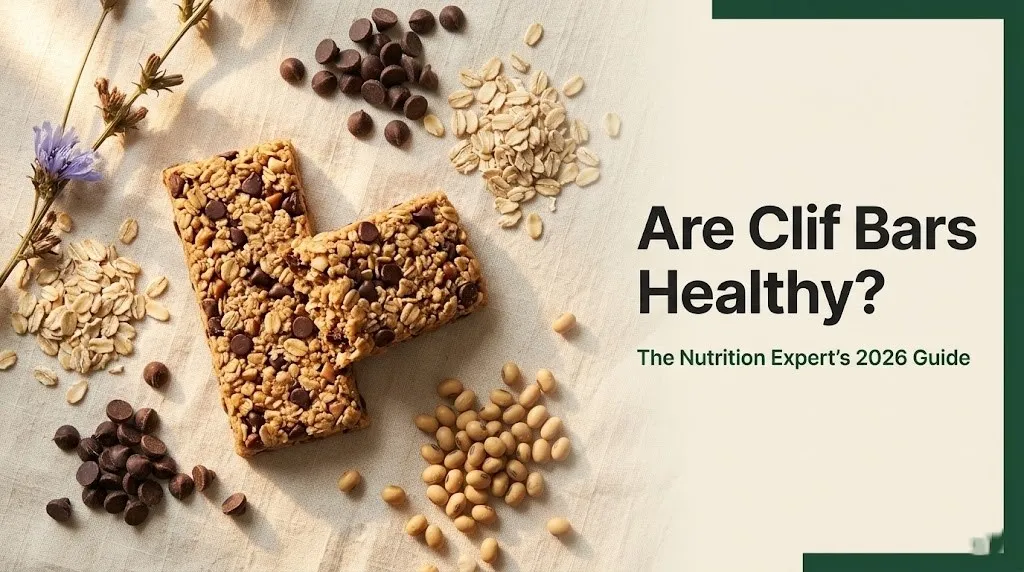
Are Clif Bars Healthy?
Clif Bars may be a great choice for some people, some of the time, but they’re not the healthiest option for everyone. That’s the clearest, most accurate summary you’ll find.
Clif Bars can work well for high-intensity workouts or long outdoor activities, but for everyday snacking, they may not be the best fit. For someone finishing a long run or gearing up for a hike, the quick carbs and protein might hit the spot. But for everyday snacking or light activity, they may offer more than you need.
Think of a Clif Bar the way you’d think of a sports drink. A marathon runner needs it. Someone walking to the coffee machine does not. The bar itself hasn’t changed. The context around eating it is everything.
Clif Bars provide 5 grams of fiber and 11 grams of protein per bar, both of which may support weight management in overweight and obese individuals according to a clinical trial published in the Nutrition journal. Both fiber and protein increase satiation, and also provide fuel during athletic training, which makes Clif Bars a good option for athletes.
Key Fact:
- Clif Bars are a fit for endurance athletes, hikers, and people with physically demanding jobs.
- They are less appropriate as a casual desk snack or a daily convenience food for sedentary people.
- No single bar is universally “healthy” or “unhealthy.” Serving context, activity level, and individual health status all matter.
What Is a Clif Bar, and What Is It Made Of?
Clif Bars are a popular line of energy bars designed to provide convenient and nutritious fuel for athletes and active individuals, typically made with organic ingredients and available in various flavors.
The idea for a better energy bar was born during a 175-mile bike ride. Nearly 30 years later, CLIF BAR continues fueling athletes with an ideal mix of nutritious, sustainably sourced ingredients. The brand’s athletic identity is real, not marketing spin. The original recipe was literally built around endurance cycling demands.
A standard Clif Bar’s ingredient list typically includes organic brown rice syrup, organic rolled oats, soy protein isolate, organic cane syrup, organic roasted soybeans, rice flour, dried cane syrup, unsweetened chocolate, organic soy flour, organic high oleic sunflower oil, organic oat fiber, natural flavors, sea salt, barley malt extract, and soy lecithin.
Most of the bars that Clif offers are vegan, although a few contain whey protein or honey. Anyone following a strict vegan diet should check the specific flavor’s label before buying.
Core ingredients by category:
- Carbohydrate sources: organic brown rice syrup, organic rolled oats, organic cane syrup, dried cane syrup, barley malt extract, organic date paste
- Protein sources: soy protein isolate, organic roasted soybeans, organic soy flour, soy rice crisps
- Fat sources: organic high oleic sunflower oil, organic soybean oil
- Fiber sources: organic oat fiber, apple fiber, inulin (chicory extract), organic milled flaxseed, organic psyllium (branded as ClifCrunch)
- Flavor additions: natural flavors, cocoa, vanilla extract, cinnamon, chocolate chips
- Allergen note: The standard Clif Bar contains soy as a primary allergen. Many flavors are produced in facilities handling peanuts and tree nuts.
Clif Bar Nutrition Facts: Calories, Carbs, Protein, and Fat Per Bar
A standard Clif Bar contains around 240 to 250 calories, with an average of 9 grams of protein, approximately 42 grams of carbohydrates, and about 6 grams of fat per bar.
Nutrition facts vary depending on the flavor, but in general, Clif Bars have between 250 and 260 calories, between 9 and 11 grams of protein, 5 to 6 grams of fiber, and 14 to 16 grams of added sugars.
Here’s what those numbers mean in daily diet terms:
| Nutrient | Per Bar (68g) | % of 2,000-Cal Daily Diet |
|---|---|---|
| Calories | 250 | ~12.5% |
| Total Carbohydrates | 40 to 45g | ~15% |
| Added Sugars | 14 to 20g | 39 to 55% of AHA women’s limit |
| Protein | 9 to 11g | ~18 to 22% of AHA daily protein minimum |
| Total Fat | 5 to 6g | ~8% |
| Dietary Fiber | 5 to 6g | ~18 to 21% of daily target |
| Magnesium | ~60mg | ~15% DV |
A single Clif Bar provides about one-third of the 130 grams of carbohydrates per day that the Dietary Guidelines for Americans recommend as a minimum for adults. That’s a meaningful chunk from one snack. Whether that’s appropriate depends entirely on your activity level that day.
For people with soy sensitivity: soy protein isolate is a primary protein source in every original Clif Bar. The FDA lists soy as one of the eight most common allergens, and research indicates that soy protein may cause allergic reactions in some people.
Clif Bar Sugar Content: How Much Is in Each Bar and Where It Comes From
Clif Bars contain, on average, 20 grams of added sugars, which is not far off the daily limit for females recommended by the American Heart Association.
The American Heart Association recommends limiting added sugars to 36 grams per day for males and 25 grams per day for females. Eating one standard Clif Bar as a desk snack uses up 56 to 80% of a woman’s entire daily added sugar budget in one sitting.
The bars contain sugars in the form of cane sugar and cane, tapioca syrup, or brown rice syrup. Clif Bar and Company points out that it does not use high fructose corn syrup, however, even natural added sugars contribute to a person’s total added sugar intake. Natural origin does not change how the body processes simple sugars.
Where the sugar comes from:
- Organic brown rice syrup: listed first by weight in most flavors, meaning it is the most abundant single ingredient
- Organic cane syrup: a second liquid sweetener contributing additional glucose
- Dried cane syrup: a third form of added sugar in many flavors
- Barley malt extract: adds modest sweetness and depth; also contributes to gluten content
These ingredients help improve texture and sweetness, but they also increase the added sugars in Clif Bars. This isn’t a problem if you’re using them to fuel a workout, but it may not be a good option as a sedentary snack.
People managing type 2 diabetes or pre-diabetes should pay particular attention here. The combined effect of multiple sweetener sources on postprandial (after-meal) blood glucose is addressed in the next section.
Clif Bar Glycemic Index and Blood Sugar Response
Brown rice syrup, the top ingredient in most Clif Bar flavors, has a glycemic index of approximately 98, which is high and will likely cause a rapid spike in blood sugar. For context, pure table sugar (sucrose) has a glycemic index of roughly 65. Brown rice syrup sits near the top of the scale.
Consuming Clif Bars before exercise can provide a quick source of energy and may not spike blood sugar levels as much as when consumed during a sedentary period. People with diabetes should be cautious when consuming Clif Bars due to their high glycemic index. Foods with a high glycemic index can cause rapid spikes in blood sugar levels, which can be challenging to manage for those with diabetes.
The fiber blend partially offsets this response. Clif Bars contain no less than 5 grams of soluble and insoluble fiber from oat fiber, apple fiber, milled flaxseed, inulin, and psyllium. Dietary fiber acts like a speed bump for glucose absorption. More fiber in the presence of sugar slows the rate at which glucose enters the bloodstream. But the fiber in a Clif Bar doesn’t fully neutralize the glycemic punch of 14 to 20 grams of added sweeteners.
For an athlete mid-ride, that glucose can be pulled directly into working muscle. For an office worker, the same 40g+ carbohydrate load without immediate physical demand is more likely to raise post-meal glucose and insulin, and to contribute to excess daily calorie intake.
Quick Tip:
- Eat Clif Bars within 30 to 60 minutes before or during exercise lasting more than one hour.
- If you have pre-diabetes or insulin resistance, choose the Clif Builder Low Sugar variety (5g sugar) and pair with protein-rich food.
- People managing blood glucose with medication or insulin should speak with a registered dietitian before incorporating high-GI snacks into their routine.
Key Takeaway: Clif Bars are built around fast-releasing carbohydrates that work well during sustained exercise but may stress blood glucose regulation when eaten at rest, especially for people with existing metabolic concerns.
Clif Bar Ingredients: Oats, Soy Protein, and Fiber Breakdown
The quality of a Clif Bar’s ingredient list is genuinely mixed, and most reviews don’t break it down with enough precision.
Organic rolled oats (Avena sativa): Oats are a whole grain rich in numerous beneficial nutrients that help prevent atherosclerosis and certain types of cancer, including colorectal cancer. One standout nutrient in oats is beta-glucan, a type of fiber that helps reduce blood cholesterol and blood sugar levels. Beta-glucan is the reason oats earn a legitimate place on most nutritionist-approved food lists.
Soy protein isolate: Soy, a plant-based protein, is combined with milled rice to form a textured protein product. Aside from being a plant-based protein, soy is rich in plant compounds that support heart health, may ease perimenopause symptoms for women, and support cognitive and bone health, according to a recent review in the Journal of Agriculture and Food Research.
The one downside to so much soy being used in Clif Bars is that anyone with an allergy or sensitivity will have to avoid them. Soy is one of the nine major food allergens recognized by the FDA as of 2023.
Chicory root fiber (inulin): While some of the 5 to 6 grams of fiber in Clif Bars comes from oats, most of it comes from the addition of chicory fiber. Inulin is a prebiotic fiber. It feeds beneficial bacteria in the colon and contributes to the bar’s fiber count without adding calories. Some people with irritable bowel syndrome (IBS) or FODMAP sensitivities experience bloating or discomfort from inulin in higher amounts.
Fats: Clif Bars use either sunflower or soybean oil, or both. These two oils have very similar fat compositions, consisting mostly of monounsaturated fats, then polyunsaturated fats, and a small amount of saturated fats. Neither raises the same cardiovascular concern as palm kernel oil or partially hydrogenated oils.
Clif Bar Vitamins and Minerals: What Micronutrients Do You Actually Get?
Clif Bar contains 15% of the Daily Value (DV) of magnesium according to the Nutrition Facts label. That’s a meaningful amount from a snack bar, and it’s one of the most underreported positives in most Clif Bar reviews.
Clif Bars also include a selection of micronutrients including potassium, vitamin E, magnesium, iron, and phosphorus. This is not common in snack energy bars, and it’s good to see.
The fortified vitamin profile in a standard Clif Bar includes:
| Vitamin / Mineral | Form Used | Function |
|---|---|---|
| Vitamin C | Ascorbic acid | Immune function, collagen synthesis |
| Vitamin E | DL-alpha tocopheryl acetate | Antioxidant, cell membrane protection |
| Vitamin A | Beta-carotene | Vision, immune support |
| Vitamin B1 | Thiamine mononitrate | Carbohydrate metabolism |
| Vitamin B2 | Riboflavin | Energy production |
| Vitamin B3 | Niacinamide | DNA repair, energy metabolism |
| Vitamin B6 | Pyridoxine hydrochloride | Protein metabolism, neurotransmitter synthesis |
| Vitamin B12 | Cyanocobalamin | Red blood cell formation, nerve function |
| Vitamin D2 | Ergocalciferol | Calcium absorption, bone health |
| Calcium | Dicalcium phosphate | Bone and teeth structure |
| Magnesium | Magnesium oxide | Muscle function, energy metabolism |
This is a fortified bar, meaning these vitamins were added during manufacturing, not present naturally from whole ingredients. That’s the same approach used in breakfast cereals and meal replacement shakes. It’s not a red flag, but it does mean Clif Bars are not equivalent to getting vitamins from a whole-food source.
Key Takeaway: The micronutrient profile of Clif Bars is stronger than most competitors acknowledge, with 11 added vitamins and minerals. The source is fortification rather than whole food density, but the functional amounts are real and meaningful during active fueling.
Are Clif Bars Good for Athletes and Workouts?
Athletes need the right energy at the right time, and every Clif Bar is crafted with an ideal mix of carbohydrates, protein, and fat. Carbohydrates are king when it comes to sports nutrition, working to fuel your muscles, prevent fatigue, and sustain peak performance.
Clif Bars are designed as fuel for endurance activities and athletes. With 40 to 45 grams of carbs per bar, they act as a quick and steady energy source for long workouts, hikes, or bike rides.
The International Society of Sports Nutrition notes that athletes who engage in high-volume or high-intensity exercise may not eat enough food to meet their daily calorie needs, and energy bars can be a practical way to close that gap. People engaging in high intensity exercise can consider eating Clif Bars before, during, or after their workout to get energy to the muscles and replenish glycogen stores.
Best timing for active individuals:
- Before exercise (30 to 60 minutes prior): Provides glycogen top-up and some protein to prevent excessive muscle protein breakdown during long sessions.
- During exercise (workouts or hikes over 60 to 90 minutes): The fast-releasing carbohydrates from brown rice syrup and cane syrup deliver readily available glucose to working muscles.
- After exercise: Protein content (9 to 11g) provides amino acids for muscle tissue repair. It is not a high-protein recovery bar; pairing with an additional protein source produces better muscle repair results.
People with a soy allergy cannot safely use any standard Clif Bar regardless of exercise timing. Check labels on every flavor. Cross-contamination with peanuts and tree nuts is noted on most packaging as well.
Are Clif Bars Good for Weight Loss?
Clif Bars are not recommended for weight loss as they are high in calories, carbohydrates, and added sugar. They are marketed as a way to provide energy before, during, or after a workout and are not meant to replace meals. People trying to lose weight should try whole food snacks over Clif Bars.
The calorie math matters here. A standard Clif Bar delivers 250 calories. For a sedentary adult woman targeting a 1,500-calorie daily intake, that’s one-sixth of her entire day’s calories in a single snack that clears the stomach relatively quickly due to its high sugar content.
For an office worker, the high carbohydrate load (often 40g+ total carbs) without immediate physical demand is more likely to raise post-meal glucose and insulin. That does not automatically mean instant fat gain, but it can make weight loss harder if it regularly displaces more filling options or pushes total intake above your daily target.
That said, weight loss is not purely a single-food equation. Clif Bars provide 5 grams of fiber and 11 grams of protein, both of which may support weight management in overweight and obese individuals according to a clinical trial published in the Nutrition journal. If you’re in the gym five days a week and genuinely burning 500+ calories in your sessions, the calorie profile of a Clif Bar fits differently than it does for someone doing 20 minutes of light walking.
If weight loss is a priority and you’re still drawn to the Clif brand, the Clif Builder Low Sugar Crispy bars deliver 16 grams of protein and 5 grams of sugar per bar. That’s a structurally better fit for body composition goals than the standard Original Bar.
Are Clif Bars Healthy for Everyday Snacking?
As an everyday snack, a standard Clif Bar is not the right tool for most people.
Originally created for athletes and active people, Clif Bars are now a common midday snack for sedentary people, for whom there are no benefits and some drawbacks. That’s a blunt but accurate description of what’s actually happening in most office break rooms and kitchen drawers across the country.
Some people choose to eat Clif Bars as a regular snack or dessert. This could take their added sugar intake over the recommended daily limit and increase their risk of chronic health conditions, such as diabetes and cardiovascular disease. The AHA’s position on excess added sugar and cardiovascular risk is well-established across decades of research.
The mismatch between Clif Bar marketing and real-world use is genuine. The packaging shows mountain climbers and cyclists. The reality is a bar that delivers 20 grams of added sugar to someone sitting at a laptop for eight hours. That daily repetition is the actual risk.
For people who need a fast, portable snack and don’t have time to prepare food, while Clif Bars are convenient, whole foods like fruits, nuts, and whole grains are often better choices for everyday consumption.
Key Takeaway: Clif Bars are a well-designed athletic fuel source used outside their design context by millions of sedentary people daily. For active individuals, they deliver real value. For everyone else, the sugar and calorie load makes them a poor routine snack.
Clif Bar Product Line Comparison: Original, Builder, Nut Butter, Zbar, and Low Sugar
There are multiple types of Clif Bars to consider, and not each variety is best for everyone. The main lines include the Original Clif Bar, Clif BUILDERS, Clif Nut Butter Bars, and Zbars. As of 2025 and 2026, the lineup also includes Clif Minis and the Builder Reduced Sugar Crispy bars.
| Product | Calories | Protein | Total Carbs | Added Sugar | Best Use Case |
|---|---|---|---|---|---|
| Original Clif Bar (68g) | 250 | 9 to 11g | 40 to 45g | 14 to 20g | Endurance fueling, hikes, long workouts |
| Clif BUILDERS (68g) | 290 | 20g | 29g | 17g | Strength training, muscle recovery |
| Clif Nut Butter Bar (50g) | 230 | 7g | 26g | 6g | Mid-activity light fuel, moderate snacking |
| Clif Zbar (36g) | 120 | 2g | 22g | 7g | Children’s active snack (ages 4+) |
| Clif Minis (28g) | 100 | 4g | 20g | ~7g | Light snack, portion-controlled option |
| Builder Low Sugar Crispy | ~220 | 16g | ~22g | 5g | Lower-sugar protein fuel, body composition goals |
The Clif Builder Reduced Sugar Crispy bars offer 16 grams of protein and 5 grams of sugar per bar, with no artificial sweeteners. They are available in Almond Salted Caramel and Peanut Butter Chocolate flavors, made with real nuts and gluten-free ingredients. This is the most significant recent product development for health-conscious Clif users.
The Clif Nut Butter Bar delivers 230 calories per bar, 11 grams of fat, 7 grams of protein, and 26 grams of carbohydrates, including 6 grams of added sugars. It has the best sugar profile of the non-protein sub-lines, making it the more reasonable casual snack option.
Are Clif Bars Processed Food?
Clif Bars are a processed food, and understanding what that means precisely matters.
The NOVA food classification system, developed by nutrition researchers at the University of São Paulo, divides foods into four groups based on the degree and purpose of processing. Standard Clif Bars fall into NOVA Group 4 (ultra-processed foods) due to their combination of refined protein extracts (soy protein isolate), multiple industrial sweeteners, added fiber concentrates, and fortified vitamins. The presence of organic or non-GMO ingredients does not change the processing classification.
While some ingredients are healthy whole foods, there are a few questionable additive ingredients that health-conscious consumers may wish to avoid. Citric acid, a preservative and flavor enhancer, has been clinically shown to cause whole-body inflammation in a small subset of individuals.
That said, not all processing is equivalent in health impact. The degree of processing exists on a spectrum. A bag of whole oats is processed (cleaned, rolled, packaged). A Clif Bar is significantly more processed than oats. A fast food milkshake or a packaged cake is more processed still.
The primary protein sources are soy-based, which are cost-effective but may not be as beneficial for post-workout recovery as other protein types. As with any processed food, these bars should complement a diet rich in whole, nutrient-dense foods.
The practical takeaway: knowing Clif Bars are processed food doesn’t make them something to fear. It means they should not replace whole food meals and should be understood as engineered athletic fuel, not as a natural health food.
Who Should Avoid Clif Bars?
Some people should genuinely reconsider Clif Bars as a regular food choice.
People who should be particularly cautious or avoid standard Clif Bars:
- People with type 2 diabetes or pre-diabetes: People with diabetes should be cautious when consuming Clif Bars due to their high glycemic index. Foods with a high glycemic index can cause rapid spikes in blood sugar levels, which can be challenging to manage. If a person with diabetes is also an endurance athlete, timing the bar to exercise can partially mitigate the glycemic effect. A registered dietitian familiar with sports nutrition and diabetes management is the right professional to consult for a personalized plan.
- People with a soy allergy: Anyone with a soy allergy or sensitivity will have to avoid Clif Bars, as soy protein isolate is a primary ingredient across the entire standard product line.
- People with gluten sensitivity or celiac disease: The original Clif Bar contains barley malt extract and oats processed in shared facilities. Gluten-free individuals should choose specifically labeled gluten-free Clif products.
- Sedentary people managing daily calorie intake: Clif Bars have a relatively high carbohydrate and added sugar content compared to other snacks. They may exceed the daily nutrition targets of people who do not exercise regularly, which could lead to weight gain if eaten regularly.
- People with IBS or FODMAP sensitivity: The chicory root fiber (inulin) in Clif Bars is a high-FODMAP prebiotic. Inulin is known to cause bloating and digestive discomfort in people sensitive to fermentable carbohydrates.
- Children under 4: Clif Zbars are formulated for children ages 4 and up. The standard Clif Bar is not appropriate as a children’s snack due to its calorie density and added sugar content.
Key Takeaway: Soy allergy, barley-based gluten content, high glycemic sweeteners, and inulin fiber are the four most relevant individual-specific concerns when evaluating whether a Clif Bar is appropriate for a particular person.
Healthiest Clif Bar Flavor to Choose
No single flavor makes a Clif Bar categorically healthy or unhealthy, but some choices are noticeably better within the line.
When selecting a Clif Bar, prioritize these criteria:
- Lower added sugar: Look for flavors at or below 14 grams of added sugar within the Original line. The Clif Nut Butter Bar consistently delivers only 6 grams of added sugar per bar.
- Higher protein-to-sugar ratio: The Clif BUILDERS line and Builder Low Sugar Crispy bars offer the best protein-to-sugar ratios in the entire Clif lineup.
- Simpler ingredient list: Flavors with fewer sweetener sources (some flavors list three or four different syrups and sugars) have a less concentrated glycemic hit.
Among original Clif Bar flavors, the Nuts and Seeds variety is frequently cited as one of the lower-sugar, higher-fat options due to its reliance on nuts rather than additional chocolate inclusions for flavor. Nuts contribute fat and protein rather than added sugars.
| Clif Product | Added Sugar | Protein | Verdict |
|---|---|---|---|
| Builder Low Sugar Crispy | 5g | 16g | Best for protein, lowest sugar in the line |
| Clif Nut Butter Bar | 6g | 7g | Best for casual active snacking |
| Clif Minis | ~7g | 4g | Best for portion control |
| Original (Nuts and Seeds) | ~14g | 9g | Best original flavor for sugar moderation |
| Original (most chocolate flavors) | 18 to 20g | 9 to 10g | Higher sugar; best reserved for long workouts |
People with a nut allergy may wish to avoid some flavors of Clif Bar and should check the ingredients list carefully before trying any of the bars. Nut content varies by flavor. Allergen disclosure statements on packaging are the definitive source; these details can shift with manufacturing changes.
Clif Bar Alternatives and When to Use Them
When Clif Bars don’t fit your goals, better alternatives exist for each specific situation.
Grabbing a Clif Bar for a long hike is a great idea, but if you’re eating one while sitting on the couch, you’re better off with a more nutritious snack. Something with minimal added sugar that is high in fiber and unprocessed carbohydrates, healthy fats, and protein will boost energy levels and provide as much sustenance as a Clif Bar.
Here’s how to match the alternative to the goal:
| Goal | Better Alternative | Why It Works |
|---|---|---|
| Endurance fueling (long hike/ride) | Clif Bar or BLOKS, dates + almond butter | Fast carbs + fat = sustained energy delivery |
| Muscle recovery after strength training | Greek yogurt + berries, or Builder Low Sugar bar | Higher protein per calorie, lower sugar |
| Daily desk snack | Mixed nuts + apple slices, or cheese + whole grain crackers | Protein + fat + fiber = slower satiety |
| Children’s school snack | Clif Zbar, or real fruit + nut butter | Age-appropriate calories and sugar |
| Blood sugar management | Nuts + seeds, hard-boiled egg, or low-sugar protein bar | Low GI, high protein, minimal sweeteners |
| Weight loss snacking | Clif Nut Butter Bar (lowest sugar in line), or whole foods | Lower sugar, higher fat-to-carb ratio |
Whole food alternatives that travel well for active use include protein balls made from oats, peanut butter, and cocoa; carrot and celery sticks with hummus; and homemade trail mix with plain nuts, seeds, and dried coconut. These require preparation time, which is the honest trade-off for a more nutritionally balanced snack.
According to the Academy of Nutrition and Dietetics, whole food snacks that combine protein, fat, and fiber in naturally occurring forms typically produce more lasting satiety than engineered bar products. The fiber in an apple behaves differently in digestion than isolated chicory root fiber extracted and added to a bar, even if the gram counts look similar on paper.
Frequently Asked Questions About Clif Bars
Are Clif Bars good for you?
In moderation, Clif Bars can be a healthy snack for active individuals.
They’re a poor fit for sedentary daily snacking due to their high added sugar and calorie content.
The right answer depends on your activity level, health status, and which Clif Bar product you’re choosing.
How much sugar is in a Clif Bar?
Clif Bars contain, on average, 20 grams of added sugars per bar.
The exact amount varies by flavor; some flavors land at 14 grams while others push to 20 grams or above.
The American Heart Association recommends no more than 25 grams of added sugar daily for women and 36 grams for men.
Can you eat a Clif Bar every day?
Eating a standard Clif Bar every day is not advisable for most adults who are not engaged in regular endurance exercise.
Doing so could take added sugar intake over the recommended daily limit and increase the risk of chronic health conditions, such as diabetes and cardiovascular disease.
For regular active use, the Clif Nut Butter Bar or the Builder Low Sugar Crispy bar are better daily options within the Clif line.
Are Clif Bars good before a workout?
Eating a Clif Bar 30 to 60 minutes before starting exercise helps top up glycogen stores, especially if you haven’t had a proper meal.
The fast-releasing carbohydrates from brown rice syrup provide glucose for working muscles quickly.
This timing benefit only applies to workouts lasting longer than approximately 60 minutes; shorter, lower-intensity sessions don’t deplete glycogen enough to require pre-fueling with a 250-calorie bar.
Are Clif Bars gluten free and vegan?
Most bars that Clif offers are vegan, although a few contain whey protein or honey.
The original Clif Bar contains barley malt extract, which contains gluten; it is not gluten free.
The Clif Builder Reduced Sugar Crispy bars are made with gluten-free ingredients, making them the best option for people avoiding gluten within the Clif product family.
The Bottom Line
A Clif Bar is genuinely useful in the hands of an endurance athlete, an avid hiker, or anyone burning serious calories over a long day outdoors. It was built for those moments, and it delivers on that purpose.
Outside that context, the same bar becomes a high-sugar, high-calorie snack that most sedentary people don’t need. The wrapper looks athletic. The product is not automatically appropriate for everyone who picks it up.
If you’re active and need portable fuel, choose wisely within the Clif line. The Nut Butter Bar, the Clif Minis, and the Builder Low Sugar Crispy are the strongest options for everyday or lower-intensity use. If you’re not burning significant energy in a given day, put the bar down and reach for real food instead.