Not all healthy gum is created equal. Some options actively protect your teeth, reduce nausea, and sharpen focus, while others deliver a dose of ingredients your digestive system would rather skip.
The difference comes down to what’s inside the wrapper. The American Dental Association recognizes specific gum formulations for genuine oral health benefits, but most people have no idea what separates a protective piece of gum from a pointless one.
This article covers every angle you need: the ingredients that matter, the brands worth choosing, the populations who should think twice before chewing, and the research-backed thresholds that actually make a difference.
Healthy Gum: What It Actually Means
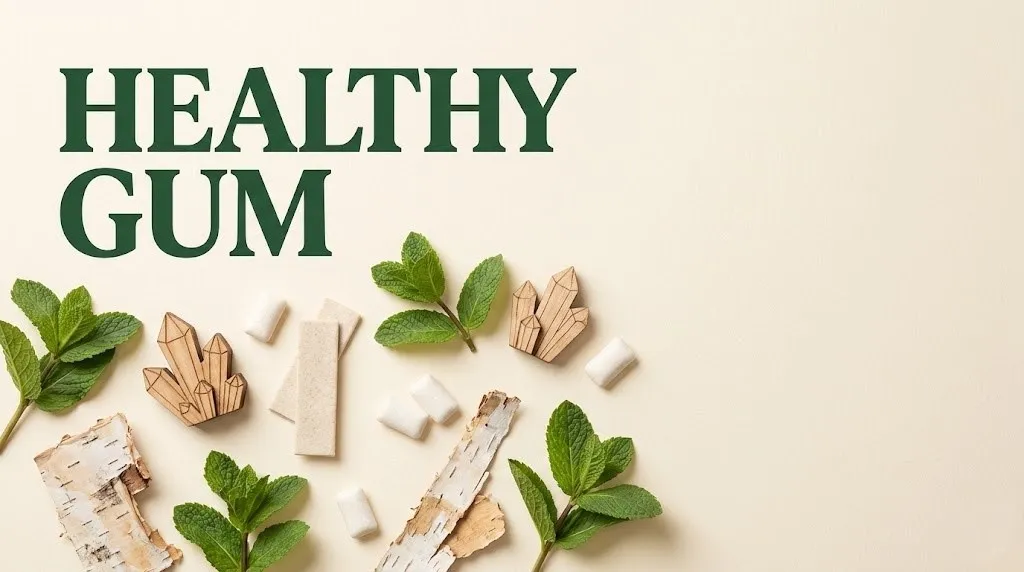
Healthy gum refers to chewing gum formulated without fermentable sugars and, ideally, with functional ingredients like xylitol that offer documented oral or physiological benefits.
The term “healthy” in the gum context is more specific than it might appear. Regular gum sweetened with sucrose feeds the bacteria in your mouth that produce enamel-damaging acids. Sugar-free gum avoids that problem entirely. Gum with xylitol goes a step further by actively disrupting Streptococcus mutans, the primary bacteria responsible for dental caries.
That distinction matters because not all sugar-free gum is equivalent. A piece sweetened only with sorbitol is better than sugar-containing gum, but it doesn’t deliver the same protective properties as xylitol-based formulations. Understanding this hierarchy is the starting point for making a genuinely informed choice.
| Gum Type | Primary Sweetener | Dental Effect | Calorie Range per Piece |
|---|---|---|---|
| Regular (sugared) | Sucrose | Promotes acid production | 10 to 15 calories |
| Sugar-free (sorbitol-based) | Sorbitol | Neutral to mildly protective | 5 to 8 calories |
| Sugar-free (xylitol-based) | Xylitol | Active caries reduction | 5 to 10 calories |
| Natural/chicle-based | Varies | Depends on sweetener | 5 to 15 calories |
Is Chewing Gum Healthy?
Chewing gum can be genuinely healthy, but only when the right formulation is chosen and consumed in reasonable amounts.
The category is not one-size-fits-all. Regular gum sweetened with table sugar (sucrose) is a net negative for dental health because the sugar it delivers is directly fermentable by oral bacteria. Over time, that repeated acid exposure degrades tooth enamel. Sugar-free gum removes that specific harm, and xylitol-containing gum adds a layer of active protection.
Beyond teeth, the act of chewing itself has documented effects. Research published in the British Journal of Nutrition has shown that mastication stimulates saliva production, which raises oral pH and helps neutralize food acids after eating. That’s a real benefit independent of which sweetener the gum uses.
The honest answer: sugar-free gum with xylitol, chewed in appropriate amounts, is a defensible health habit. Regular sugared gum consumed frequently is not. The gap between those two choices is wider than most people assume.
Quick Tip:
- Look for xylitol listed as the first or second sweetener on the ingredient label.
- Avoid gums that list sugar, glucose syrup, or dextrose as primary sweeteners.
- A stick or piece of gum typically weighs 2 to 5 grams. That context matters when evaluating ingredient doses.
What Makes Gum Healthy or Unhealthy?
The healthfulness of any gum comes down to its sweetener type, gum base ingredients, and the presence or absence of functional compounds.
Sweeteners are the most consequential variable. Sugar-based gums deliver fermentable carbohydrates directly to oral bacteria. Those bacteria metabolize the sugar and release lactic acid as a byproduct. Lactic acid demineralizes enamel at a pH below 5.5, which is why frequent sugar gum chewing correlates with increased cavity risk. Sugar-free gums use polyols (sugar alcohols) or high-intensity sweeteners instead.
The gum base itself raises a separate set of considerations. Conventional gum base contains polyvinyl acetate, synthetic rubbers, and softeners. Some formulations include calcium carbonate or other minerals that can mildly buffer oral acidity. Certain brands use natural chicle, a plant-derived latex from the Manilkara chicle tree, as a cleaner alternative to synthetic polymer bases.
Colorants are worth checking too. Some gum varieties use titanium dioxide as a whitening agent. The European Food Safety Authority (EFSA) issued a ruling in 2021 reclassifying titanium dioxide as no longer safe as a food additive, and it has since been banned in EU food products. The FDA currently maintains it on the GRAS (Generally Recognized as Safe) list, but some consumers prefer to avoid it.
| Ingredient | Found In | Why It Matters |
|---|---|---|
| Sucrose | Regular gum | Feeds acid-producing oral bacteria |
| Xylitol | Premium sugar-free gum | Inhibits Streptococcus mutans, anti-cariogenic |
| Sorbitol | Most sugar-free gum | Mildly beneficial; laxative in high doses |
| Aspartame | Sugar-free brands | Unsafe for people with PKU; requires label warning |
| Titanium dioxide | Some white-colored gum | Banned in EU food products since 2022 |
| Polyvinyl acetate | Conventional gum base | Synthetic polymer; inert but not natural |
| Chicle | Natural gum brands | Plant-derived base; preferred by clean-label consumers |
Key Takeaway: The single most important thing to look at on a gum label is the sweetener. Xylitol first on the list means real dental protection. Sorbitol-only gum is fine in moderation. Sugared gum is worth skipping entirely if dental health is a priority.
Xylitol Gum Benefits: What the Research Actually Shows
Xylitol (C5H12O5) is a naturally occurring sugar alcohol found in birch bark, corn cobs, and many fruits, and it’s the most clinically studied functional ingredient in any gum on the market.
Its primary mechanism is straightforward. Streptococcus mutans, the main cavity-causing bacterium in the mouth, cannot metabolize xylitol the way it metabolizes sucrose. When xylitol enters the bacterial cell, it creates a futile energy cycle that weakens the bacteria and reduces its ability to adhere to tooth enamel. Multiple systematic reviews published in Caries Research have confirmed that regular xylitol exposure reduces S. mutans levels in saliva.
The dosage question is one most gum label readers never think to ask. Research suggests the protective effect requires at least 1 gram of xylitol per piece and a total daily intake of 5 to 10 grams spread across multiple sessions. A single piece of xylitol gum chewed once a day does not deliver the documented benefit. Frequency and cumulative dose both matter.
One household safety note worth knowing: xylitol is acutely toxic to dogs. Doses as low as 0.1 grams per kilogram of body weight can cause life-threatening hypoglycemia in canines. Store xylitol gum out of reach of pets.
Key xylitol gum benefits supported by research:
- Reduces Streptococcus mutans colonization in saliva
- Stimulates remineralization by increasing salivary calcium and phosphate availability
- Raises salivary pH after meals, reducing acid exposure time on enamel
- Inhibits biofilm formation on tooth surfaces
- May reduce the transmission of cavity-causing bacteria from parent to infant, according to studies referenced by the American Academy of Pediatric Dentistry (AAPD)
Gum Ingredients to Avoid
Some gum ingredients are genuinely worth avoiding depending on your health history and dietary needs.
Aspartame (L-aspartyl-L-phenylalanine methyl ester) is a high-intensity sweetener used in many popular sugar-free gums. For most adults, the FDA and EFSA consider aspartame safe within acceptable daily intake levels. However, individuals with phenylketonuria (PKU), a genetic metabolic disorder affecting phenylalanine processing, must strictly avoid it. The FDA requires that any food containing aspartame carry a PKU warning label. People with PKU or parents of children with PKU should check every gum ingredient list.
Sorbitol at low doses is generally well-tolerated. At higher doses, it acts as an osmotic laxative. The EFSA recommends that food products containing more than 10 grams of polyols per serving carry a warning that “excessive consumption may produce laxative effects.” Chewing five or more pieces of sorbitol-dominant gum throughout the day can trigger bloating, gas, and loose stools in sensitive people, particularly those following a low-FODMAP diet for IBS management.
Artificial colors such as Red 40 or Blue 1 appear in some flavored gums. While the FDA maintains current approvals, some people with sensitivities report behavioral or digestive responses. These are worth flagging if you’re buying gum for children.
Ingredients to check before buying:
- Aspartame: Avoid if you have PKU. Check: listed as “phenylalanine” warning on pack.
- Sorbitol (high amounts): Limit if you have IBS or FODMAP sensitivity.
- Titanium dioxide (E171): Now banned in EU food products; still legal in the US.
- BHT (butylated hydroxytoluene): Used as a gum base preservative; under ongoing review by some health agencies.
- Artificial colors: Worth avoiding for children with documented sensitivities.
- Sucrose, glucose, or dextrose: Directly fermentable by oral bacteria; choose alternatives.
Sugar-Free Gum Health Benefits
Sugar-free gum delivers a meaningful set of benefits that go beyond simply avoiding the harm of sugared gum.
The most documented benefit is saliva stimulation. Chewing any gum, sugar-free or otherwise, mechanically stimulates salivary glands. Saliva is the mouth’s natural defense system. It washes away food debris, delivers minerals like calcium and phosphate that contribute to enamel strength, and buffers the acidic environment that promotes tooth decay. The ADA acknowledges that chewing sugar-free gum for 20 minutes after eating can help protect teeth by increasing salivary flow.
Weight management is a more contested benefit. Some studies suggest that chewing gum before meals reduces appetite and total caloric intake. Research published in Appetite has shown modest reductions in snack cravings following pre-meal gum chewing. However, the effect sizes are small, and gum is not a weight management strategy by itself.
For people managing dry mouth (xerostomia), whether from medication side effects or medical conditions, sugar-free gum is one of the most accessible saliva stimulants available. It does not treat the underlying cause, but it can reduce discomfort and help protect teeth in people whose natural saliva flow is reduced.
| Benefit | Mechanism | Evidence Level |
|---|---|---|
| Dental protection | Saliva stimulation, pH buffering | Strong (ADA-recognized) |
| Reduced caries risk (with xylitol) | S. mutans inhibition | Strong (multiple RCTs) |
| Dry mouth relief | Mechanical saliva stimulation | Moderate |
| Appetite modulation | Sensory satiety, reduced snacking | Moderate (small effect sizes) |
| Nausea relief | Saliva increase, sour-flavored gum | Moderate |
| Focus and alertness | Mastication and arousal | Moderate |
Key Takeaway: Sugar-free gum earns its reputation when it contains xylitol and is chewed for at least 20 minutes after eating. The ADA recognizes that specific benefit directly. Everything else, like focus improvement or appetite control, is real but modest.
Is Chewing Gum Good for Your Teeth?
Sugar-free gum is genuinely good for your teeth when it contains xylitol and is used consistently after meals.
The American Dental Association has awarded its Seal of Acceptance to sugar-free gums that demonstrate a measurable benefit to dental health. The seal doesn’t mean any sugar-free gum qualifies. Products earn it by demonstrating through clinical evidence that they are safe, that the claims on the label are accurate, and that the product reduces cavities, plaque, or gingivitis markers compared to chewing no gum.
Saliva is the key mechanism. Acid-producing bacteria drop oral pH after every meal. That acidic environment, if sustained, gradually erodes the mineral content of enamel in a process called demineralization. Salivary bicarbonate naturally raises pH back toward neutral. Chewing gum accelerates the saliva production that drives that recovery.
Regular gum does the opposite. It delivers sugar directly to the teeth. Oral bacteria ferment that sugar within seconds, dropping salivary pH and extending the window of enamel vulnerability. Eating one sugary snack and then chewing sugared gum afterward is not a dental health strategy.
Quick Tip:
- Chew sugar-free, ADA-accepted gum for at least 20 minutes after a meal for the documented saliva benefit.
- Don’t use gum as a substitute for brushing. The mechanical cleaning action of a toothbrush is irreplaceable.
- People with dental crowns, bridges, or orthodontic work should check with their dentist before making gum a regular habit, as sticky gum can dislodge dental work.
Gum for Bad Breath: Does It Actually Work?
Gum can temporarily reduce bad breath, but it does not address its underlying cause.
Bad breath (halitosis) is primarily caused by volatile sulfur compounds (VSCs) produced by anaerobic bacteria breaking down food debris and dead cells at the back of the tongue, between teeth, and in gum pockets. Mint-flavored gum masks these odors. Xylitol-containing gum reduces the bacterial load over time with consistent use. Neither approach treats the source of chronic halitosis.
Saliva flow is relevant here. Dry mouth dramatically worsens bad breath because bacteria thrive in low-saliva environments. Chewing sugar-free gum increases saliva, which mechanically washes away the debris that bacteria feed on. A study referenced in the Journal of Clinical Periodontology found that salivary stimulation through chewing gum measurably reduced VSC levels in participants with mild halitosis.
Spearmint and peppermint flavors deliver a psychological freshness effect through menthol and carvone, aromatic compounds that trigger a cool, clean sensation. They genuinely reduce the perception of bad breath for 15 to 30 minutes. For people managing persistent bad breath, this can be a useful social tool even if the underlying issue requires tongue cleaning, hydration, or dental treatment.
People with halitosis linked to gastroesophageal reflux disease (GERD) may find that gum chewing temporarily helps. Increased saliva can neutralize esophageal acid and reduce the odor that reflux carries into the mouth. It is not a GERD treatment. If bad breath correlates consistently with reflux symptoms, a gastroenterologist can evaluate the underlying digestive issue.
Chewing Gum After Meals: Is It Worth the Habit?
Chewing sugar-free gum after meals is one of the few gum habits with direct clinical endorsement from a major dental organization.
The ADA specifically recommends chewing sugar-free gum for 20 minutes after meals and snacks to help prevent tooth decay. That 20-minute window corresponds with the period when oral bacteria are most actively producing acid from food residues. The increased saliva from chewing acts as a natural buffer.
Think of salivary buffering the way you’d think of baking soda in a marinade. The alkaline minerals in saliva neutralize food acids much the same way, pulling the pH of the oral environment back toward the neutral zone where enamel stays intact.
The habit is most useful when brushing isn’t immediately possible. After lunch at work, after a flight, or after a late-night snack, a piece of xylitol gum chewed for 20 minutes does measurable good. It’s not a replacement for brushing, but it’s a meaningful second line of defense.
| Timing | Benefit | Notes |
|---|---|---|
| Immediately after eating | Saliva stimulation, acid neutralization | Most effective for dental protection |
| 30+ minutes after eating | Reduced benefit for pH buffering | Still useful for breath freshness |
| Before meals | Possible appetite reduction | Modest effect; not a substitute for meals |
| During long periods without eating | Dry mouth relief | Useful for medication-induced dry mouth |
| Before bed (replacing brushing) | Not recommended | Does not replace mechanical tooth cleaning |
Key Takeaway: The 20-minutes-after-meals rule is real, not just marketing. The ADA endorses it. The mechanism is well-documented. Make it a post-lunch and post-dinner habit, and it genuinely contributes to your dental hygiene routine.
Chewing Gum and Focus: What Science Says
Chewing gum has a moderate, real effect on alertness and short-term cognitive performance, though the mechanism is still being studied.
Research published in Nutritional Neuroscience has found that mastication (the act of chewing) increases blood flow to the brain through trigeminal nerve stimulation and elevated heart rate. Subjects in multiple studies showed improved reaction time and short-term memory recall during or immediately after chewing gum compared to non-chewing controls. The effect is strongest during the first 15 to 20 minutes of chewing and fades afterward.
The working theory involves the arousal effect. Chewing creates a mild increase in physiological alertness, similar in some ways to the mild sensory stimulation of pacing while thinking. The brain’s reticular activating system responds to the rhythmic jaw movement, and that arousal temporarily sharpens attention and processing speed.
It’s worth framing the effect realistically. This is not a cognitive enhancer in any pharmacological sense. The improvement is roughly comparable to a brief bout of light physical activity. For tasks requiring sustained attention over hours, gum won’t substitute for sleep, a balanced meal, or structured breaks.
For people who find themselves reaching for coffee or sugar during afternoon slumps, a piece of sugar-free gum is a lower-calorie alternative worth trying. The sensory stimulation of chewing mint gum, combined with the mild arousal effect, can create a perceived energy boost without caffeine or calories.
Gum for Nausea: When It Helps and When It Doesn’t
Chewing gum can reduce nausea in specific situations, particularly post-operative recovery and first-trimester pregnancy.
Sour-flavored gum and ginger-based gum have the strongest supporting evidence for nausea relief. Multiple clinical trials have tested gum chewing as an intervention for postoperative ileus (delayed return of bowel function after abdominal surgery). Research published in the Journal of Gastrointestinal Surgery found that chewing gum after colorectal surgery accelerated return of bowel function, reduced nausea, and shortened hospital stays compared to no-chewing controls.
For pregnancy-related nausea, sour or ginger-flavored sugar-free gum is a popular and low-risk option. The mechanism likely involves salivary stimulation and distraction from nausea triggers, rather than any direct pharmacological effect of the gum itself. B-Fresh and some ginger gums marketed for pregnancy nausea contain B6 (pyridoxine), which has separate evidence for reducing morning sickness when taken at appropriate doses.
Motion sickness presents a more mixed picture. The evidence for gum specifically in motion sickness is less robust than for other anti-nausea interventions. Gum may help mildly through increased saliva and the distraction of chewing, but it should not be the primary tool for severe motion sickness.
People with severe morning sickness (hyperemesis gravidarum) should work with their obstetric care provider to identify appropriate medical treatment. Gum can be a useful adjunct but is not a medical intervention.
How Many Pieces of Gum Per Day Is Safe?
For most healthy adults, two to five pieces of sugar-free gum per day is a practical upper limit that avoids the known risks of overconsumption.
The relevant thresholds depend on which sweetener your gum uses. Sorbitol becomes laxative at 20 to 50 grams per day in most adults, according to EFSA guidelines. A standard piece of sorbitol-based gum contains roughly 1.5 to 2.5 grams of sorbitol. That means heavy chewers consuming 10 to 15 pieces daily could approach the laxative threshold. Bloating and loose stools are the most common outcomes.
Xylitol-based gum has a different calculus. The therapeutic dental benefit requires 5 to 10 grams daily. That translates to roughly four to six pieces per day of gum with at least 1 gram of xylitol per piece. Consuming more than that has no documented additional benefit for most people, though xylitol itself is generally well-tolerated at higher doses.
For regular sugared gum, frequency is directly correlated with cavity risk. There is no safe level that offers health benefit. Limiting sugared gum to rare, occasional use is the evidence-consistent recommendation.
Recommended daily gum guidelines:
- Sugar-free (xylitol), dental benefit target: 4 to 6 pieces, spaced across meals
- Sugar-free (sorbitol-based), digestive comfort limit: 2 to 5 pieces for sensitive individuals
- Regular sugared gum: No therapeutic benefit; infrequent use only
- Children ages 4 to 6: 1 to 2 pieces maximum, always supervised to prevent swallowing
- Children under 4: Not recommended due to choking risk (American Academy of Pediatric Dentistry guidance)
Key Takeaway: Four to six pieces of xylitol gum spaced across the day hits the therapeutic dental benefit threshold. Going much beyond that adds no further benefit and risks digestive discomfort in sensitive individuals.
Is Simply Gum Healthy?
Simply Gum is among the cleaner-label gum options available, and it is a reasonable healthy gum choice for consumers seeking to avoid synthetic gum base ingredients.
Simply Gum uses chicle as its gum base, the natural plant-derived latex from the Manilkara chicle tree. Conventional gum base relies on polyvinyl acetate and synthetic rubbers, which are chemically inert but derived from petroleum-based processes. Chicle is biodegradable and avoids those compounds entirely.
The sweeteners in Simply Gum are primarily cane sugar or rice syrup, depending on flavor. That’s an important trade-off. Simply Gum tastes natural and avoids synthetic base ingredients, but its sweetener choices make it a less optimal dental health option compared to xylitol-based gum. The cane sugar in some Simply Gum varieties is fermentable by oral bacteria.
From a whole-ingredient perspective, Simply Gum is a defensible choice for people specifically avoiding synthetic additives, artificial sweeteners, and synthetic gum bases. From a dental-health-first perspective, a xylitol-based sugar-free gum delivers more documented oral protection.
| Factor | Simply Gum | Standard Xylitol Gum |
|---|---|---|
| Gum base | Natural chicle | Polyvinyl acetate (synthetic) |
| Sweetener | Cane sugar or rice syrup | Xylitol |
| Dental caries risk | Moderate (fermentable sugar) | Low to protective |
| Artificial sweeteners | None | None in pure xylitol formulas |
| Synthetic additives | Minimal | Varies by brand |
| Best for | Clean-label preference | Dental health priority |
Best Healthy Gum Brands in 2026
The healthiest gum brands are those that combine xylitol as the primary sweetener, a short ingredient list, and no synthetic colorants or additives.
PUR Gum is consistently recommended in dental health contexts. It contains 1 gram of xylitol per piece, no aspartame, no artificial flavors, and no artificial colors. It’s also certified gluten-free, vegan, and non-GMO. For people prioritizing dental protection, it checks the most important boxes.
Spry Xylitol Gum by Xlear uses a similar formulation, with xylitol as its primary sweetener. Spry is often recommended in clinical settings by pediatric dentists for cavity prevention. It contains no sorbitol and no aspartame, making it suitable for people with PKU concerns and IBS-related sorbitol sensitivity.
Trident Original contains a blend of xylitol and sorbitol. It carries an ADA Seal of Acceptance. It’s widely available and lower cost than pure xylitol options. People sensitive to polyols should note the sorbitol content.
Orbit Sugar-Free Gum also carries the ADA Seal and is widely available. It uses a sorbitol and xylitol blend. Not all Orbit flavors contain the same sweetener ratios, so ingredient list verification is worthwhile.
B-Fresh Gum is formulated with xylitol and added vitamin B12 (cyanocobalamin), targeting people who want a functional addition to their gum habit. The B12 delivery mechanism via gum absorption is modest, but for vegans who struggle to maintain B12 intake, it’s a practical incidental addition.
Note: Gum formulations change periodically. Verify current ingredient lists directly on brand websites or retail packaging before purchasing, as manufacturers update recipes without advance notice.
Gum and TMJ: A Real Risk Worth Understanding
Chewing gum frequently or for prolonged periods can worsen temporomandibular joint (TMJ) disorder and should be used cautiously by anyone with jaw pain or clicking.
The temporomandibular joint connects the lower jaw (mandible) to the skull and is engaged every time you chew. In healthy individuals without joint issues, gum chewing creates a mild, repetitive muscle workout for the masseter and pterygoid muscles. For people with diagnosed TMJ dysfunction, that same repetitive load can inflame the joint, increase muscle tension, and worsen pain.
The American Academy of Orofacial Pain advises that people with TMJ disorders avoid habitual gum chewing as part of joint protection strategies. Symptoms that suggest gum chewing may be contributing to TMJ stress include jaw clicking, popping, pain when opening wide, morning jaw ache, or headaches centered around the temples.
For people without pre-existing TMJ issues, occasional gum chewing is unlikely to cause joint damage. However, the trend of chewing large amounts of mastic gum or extra-hard gums for aesthetic jawline purposes carries a real risk of developing TMJ symptoms over time without professional guidance.
If jaw pain develops or worsens with regular gum chewing, an oral and maxillofacial specialist or dentist experienced in TMJ disorders can properly evaluate the relationship.
Key Takeaway: Gum is good for your teeth but hard on your jaw if you already have TMJ issues. If chewing triggers jaw pain or clicking, that’s a clinical signal worth taking seriously. It’s not something to push through.
Who Should Avoid Chewing Gum?
Several specific groups should either avoid gum entirely or choose their type and frequency with real care.
People with phenylketonuria (PKU) must strictly avoid gum containing aspartame. PKU prevents the body from breaking down phenylalanine, an amino acid that aspartame metabolizes into. Phenylalanine accumulation at high levels causes irreversible neurological damage. The FDA mandates a warning label, but checking it every time is non-negotiable for this population.
Children under 4 years old should not chew gum at all, according to the American Academy of Pediatric Dentistry. The choking and aspiration risk is real and serious. For children ages 4 and up, supervised use of a small amount of xylitol gum may support dental health, but a pediatric dentist is the right person to advise on timing, amount, and appropriate formulation for a specific child.
People with IBS and FODMAP sensitivities should check ingredient lists carefully. Sorbitol and mannitol are both on the FODMAP restriction list for people managing IBS. Multiple pieces of sorbitol-containing gum daily can trigger symptoms including bloating, cramping, and altered bowel habits. Pure xylitol gum is generally better tolerated, though individual responses vary.
People with GERD have a nuanced situation. Gum can increase saliva, which helps neutralize esophageal acid. But for some GERD sufferers, the act of swallowing additional air during chewing worsens belching and bloating. Whether gum helps or hurts depends on the individual. Someone managing GERD should pay attention to whether gum consistently worsens or relieves their symptoms.
Who should be especially careful:
- PKU diagnosis: Avoid all aspartame-containing gum
- Children under 4: Do not use gum at all
- IBS and FODMAP sensitivity: Avoid sorbitol and mannitol-dominant gums
- Active TMJ disorder: Minimize or eliminate gum chewing
- Post-dental surgery: Avoid gum until healing is confirmed
- People on jaw rehabilitation: Consult dentist before resuming any gum habit
- Denture wearers: Most traditional gum is unsuitable; specialized formulations exist
Frequently Asked Questions About Healthy Gum
Is chewing gum every day bad for you?
Daily gum chewing is not harmful for most adults when the gum is sugar-free and consumed in reasonable amounts.
Four to six pieces of xylitol-based sugar-free gum spread across the day is associated with positive dental health effects, not harm.
People with TMJ disorders, IBS, or PKU should evaluate their specific gum choice and frequency with a healthcare provider.
What is the healthiest gum you can chew?
The healthiest gum is one that contains xylitol as its primary sweetener, uses a short ingredient list, and carries no artificial colors or aspartame.
Brands like PUR Gum and Spry are consistently cited in dental health contexts for their high xylitol content and clean formulations.
The ADA Seal of Acceptance is a useful benchmark, though not all high-quality xylitol gums carry it.
Does xylitol gum actually protect teeth?
Yes, xylitol gum has robust clinical evidence supporting its role in reducing dental caries when used at therapeutic doses.
Research in Caries Research confirms that xylitol inhibits Streptococcus mutans, the main cavity-causing bacterium, by disrupting its energy metabolism.
The protective effect requires at least 1 gram of xylitol per piece and a total daily intake of 5 to 10 grams, distributed across multiple chewing sessions.
Is sugar-free gum safe for kids?
Sugar-free gum is generally safe for children aged 4 and older when supervised and used in small amounts, according to the American Academy of Pediatric Dentistry.
Children under 4 should not use any gum due to choking risk.
For children with PKU, aspartame must be avoided; a pure xylitol gum without aspartame is the appropriate choice.
Can chewing gum cause digestive problems?
Yes, gum containing high amounts of sorbitol or mannitol can cause bloating, gas, and loose stools, particularly in people with IBS or FODMAP sensitivity.
The EFSA sets the threshold for laxative labeling at 10 or more grams of polyols per serving; five or more pieces of sorbitol-heavy gum per day can reach that range.
Switching to a pure xylitol gum substantially reduces this risk for most people.
The Bottom Line on Healthy Gum
If you’re going to chew gum, make it work for you. Choose a sugar-free option with xylitol as the lead sweetener, chew it for 20 minutes after meals, and keep your daily total to four to six pieces.
Check the ingredient list once. Know whether your gum contains aspartame (important if you have PKU), sorbitol (relevant if you have IBS), or titanium dioxide (worth noting if you prefer to avoid EU-banned additives). That five-second habit at the store makes every subsequent pack purchase automatic.
Gum is a small thing. But the right gum, used consistently and at the right time, genuinely contributes to a dental hygiene routine in ways that are backed by research and recognized by the ADA. That’s a reasonable trade for a two-calorie piece of something you already enjoy.