Italian dressing is moderately healthy when made with olive oil and vinegar as the primary ingredients, but many commercial versions use soybean oil instead of olive oil, add high fructose corn syrup, and pack 250 to 400 milligrams of sodium per serving, making homemade or carefully selected store-bought versions the truly healthy choices.
Italian dressing is the default salad dressing for millions of people. It is lighter than ranch. It feels more virtuous than blue cheese. It has the word “Italian,” which conjures images of olive oil, herbs, and Mediterranean health. The reality of the bottle in your refrigerator depends entirely on what the manufacturer put inside it.
The American Heart Association identifies liquid plant oils like olive oil as heart-healthy fat sources. Vinegar has been studied for its modest blood sugar benefits. The herbs are real food. The problem with commercial Italian dressing is that these ingredients are often not the ones in the bottle. This article breaks down what is actually in Italian dressing, how the versions compare, and how to choose or make one that is genuinely good for you.
What Is Italian Dressing
Italian dressing is an oil-and-vinegar based vinaigrette seasoned with herbs including oregano, basil, and thyme, along with garlic, onion, and bell pepper, traditionally made with olive oil and red wine vinegar but often made with soybean oil and distilled vinegar in commercial versions.
Italian dressing is not a product of Italy. It is an American creation inspired by the oil-and-vinegar dressings of Italian cuisine. The classic version is a simple vinaigrette: oil, vinegar, herbs, and seasonings shaken together into a temporary emulsion. It separates in the bottle. You shake it before using.

The gap between traditional and commercial Italian dressing is wide. Traditional Italian dressing has five to seven ingredients: olive oil, red wine vinegar, garlic, oregano, salt, pepper, and maybe a squeeze of lemon. Commercial Italian dressing has 15 to 20 ingredients. The oil is often soybean or canola, not olive. The vinegar is often distilled white vinegar with flavoring, not red wine vinegar. Added sugar appears in the form of high fructose corn syrup or corn syrup. Preservatives and stabilizers keep the herbs suspended and prevent the bottle from separating.
Dietary Sensitivity Note: Most Italian dressing is naturally dairy-free and gluten-free. Some brands add Parmesan cheese. Check the label if you have dairy allergy.
Italian Dressing Nutrition Facts and Calories
Two tablespoons of regular commercial Italian dressing contain approximately 70 to 80 calories, 6 to 8 grams of fat, 250 to 400 milligrams of sodium, and 1 to 3 grams of sugar, with negligible protein and fiber.
Here is the nutritional profile for a standard 2-tablespoon serving:
| Nutrient (2 tbsp) | Regular Italian | Zesty Italian | Light Italian |
|---|---|---|---|
| Calories | 70 | 60 | 30 |
| Total Fat | 7g | 5g | 2g |
| Saturated Fat | 1g | 0.5g | 0g |
| Sodium | 350mg | 400mg | 300mg |
| Carbohydrates | 2g | 3g | 3g |
| Sugars | 2g | 2g | 1g |
| Protein | 0g | 0g | 0g |
The fat content is the primary calorie source. Italian dressing is an oil-based vinaigrette. The calories come almost entirely from the oil. The sodium content is the most significant nutritional concern. A single 2-tablespoon serving provides 15 to 18 percent of the American Heart Association’s daily sodium limit of 2,300 milligrams.
The sugar content is modest compared to sweeter dressings like French or Catalina, but added sugar is still present in most commercial Italian dressings, typically from high fructose corn syrup or corn syrup.
Key Takeaway: Italian dressing is a fat-based condiment with moderate calories and high sodium. The nutritional value depends on the quality of the oil used.
Is Italian Dressing Healthy
Italian dressing is moderately healthy when made with olive oil as the primary fat source and real herbs without excessive sodium or added sugar, but many commercial versions use lower-quality oils and enough sodium to be a concern for daily use.
The healthfulness of Italian dressing exists on a spectrum. A homemade version with extra-virgin olive oil, red wine vinegar, garlic, and herbs is genuinely healthy. A commercial version with soybean oil, high fructose corn syrup, and 400 milligrams of sodium is a processed condiment that should be used in measured amounts.
What makes Italian dressing healthy:
- Olive oil provides monounsaturated fat, which the American Heart Association identifies as heart-healthy when replacing saturated fat
- Vinegar has been shown in small studies to modestly reduce post-meal blood glucose when consumed with carbohydrate-containing meals
- Herbs and garlic contribute antioxidants and phytochemicals without calories
- It makes vegetables taste better, which encourages vegetable consumption
What makes Italian dressing less healthy:
- Soybean oil in most commercial brands is high in omega-6 fatty acids and is not equivalent to olive oil in health benefits
- Sodium at 250 to 400 milligrams per serving is high for a condiment
- Added sugar from corn syrup appears in many brands
- Preservatives and stabilizers are markers of food processing
Dietary Sensitivity Note: Commercial Italian dressing is a processed food. The health value is determined by the ingredient list, not the name on the bottle.
Is Zesty Italian Dressing Healthy
Zesty Italian dressing is nutritionally similar to regular Italian dressing with a slightly higher sodium content due to additional seasonings and often more vinegar for tang, making it a moderate choice that shares the same oil-quality and sodium concerns as regular Italian.
“Zesty” is a marketing term, not a regulated one. Zesty Italian dressing typically contains more vinegar, more garlic, and sometimes red pepper flakes or additional spices. The nutritional profile is similar to regular Italian dressing with a few differences.
Zesty Italian typically has:
- Slightly more sodium (350 to 450 milligrams per serving) due to additional seasoning
- Slightly fewer calories (50 to 70 per serving) due to a higher vinegar-to-oil ratio
- More intense flavor, which may lead to using less
The same rules apply. If the first ingredient is water and the second is soybean oil, it is a processed condiment. If it is made with olive oil and real vinegar, it is a healthier choice.
Dietary Sensitivity Note: Zesty Italian often contains more garlic and spices. These are not allergens for most people but may trigger heartburn in those with GERD.
Is Light Italian Dressing Healthy
Light Italian dressing reduces calories by replacing some of the oil with water and thickeners, cutting calories to 25 to 35 per serving, but often increases sodium and adds more stabilizers and preservatives to compensate for the missing fat texture and flavor.
Light dressings are not simply regular dressing with less oil. They are reformulated products where the oil is partially replaced with water, modified food starch, xanthan gum, and other thickeners. The calorie reduction is real. The tradeoffs are in ingredient quality and sodium.
| Feature | Regular Italian | Light Italian |
|---|---|---|
| Calories | 70 | 30 |
| Fat | 7g | 2g |
| Sodium | 350mg | 300-400mg |
| Thickeners | Minimal | Modified food starch, xanthan gum |
| Oil type | Soybean or olive | Soybean or canola |
| Flavor | Richer | More acidic |
Light Italian dressing is a better choice for someone strictly counting calories. It is a worse choice for someone prioritizing whole food ingredients and avoiding processed thickeners. The lower calorie count comes with a longer ingredient list.
Dietary Sensitivity Note: Light dressings often contain modified food starch, which may be derived from corn or wheat. Verify gluten-free status if celiac.
Key Takeaway: Light Italian dressing is a calorie-reduction tool, not a whole-food upgrade. It trades oil calories for water and thickeners.
Regular vs Zesty vs Light Italian Dressing Comparison
Regular Italian dressing has the most balanced flavor and moderate calories, zesty Italian has more intense seasoning and slightly higher sodium, and light Italian has the fewest calories but the most processed ingredients and often the highest sodium per calorie.
Here is the direct comparison:
| Feature | Regular | Zesty | Light |
|---|---|---|---|
| Calories (2 tbsp) | 70 | 60 | 30 |
| Fat | 7g | 5g | 2g |
| Sodium | 350mg | 400mg | 350mg |
| Sugar | 2g | 2g | 1g |
| Flavor intensity | Moderate | High | Mild |
| Ingredient list length | Long | Long | Longest |
| Best for | Everyday use | Those who use less | Calorie counting |
None of the commercial versions are dramatically healthier than the others. They share the same fundamental problems: soybean oil instead of olive oil, added sugar, and high sodium. The light version trades one problem (calories) for another (processing).
The healthiest Italian dressing is not in this comparison table. It is homemade with olive oil, vinegar, and herbs.
Dietary Sensitivity Note: All three commercial versions typically contain soybean oil. People with soy allergy should verify ingredients.
Olive Oil vs Soybean Oil in Italian Dressing
Olive oil-based Italian dressing is healthier than soybean oil-based dressing because olive oil is predominantly monounsaturated fat with documented cardiovascular benefits, while soybean oil is high in omega-6 polyunsaturated fats and is often highly processed.
This is the single most important ingredient distinction in Italian dressing. The oil is the primary ingredient by volume and the primary source of calories. The type of oil determines the health value of the fat.
| Feature | Olive Oil | Soybean Oil |
|---|---|---|
| Primary fat | Monounsaturated (oleic acid) | Polyunsaturated (linoleic acid) |
| Processing | Cold-pressed (extra-virgin) | Refined, bleached, deodorized |
| Antioxidants | Polyphenols, vitamin E | Minimal (removed during refining) |
| Research | Extensive cardiovascular benefits | Neutral to slightly negative |
| Flavor | Fruity, peppery | Neutral |
Most commercial Italian dressings use soybean oil because it is less expensive than olive oil. A bottle labeled “Made with Olive Oil” may contain mostly soybean oil with a small amount of olive oil. The first ingredient listed is the largest by weight. If the first ingredient is soybean oil and olive oil appears fifth or sixth, the dressing is predominantly soybean oil.
The American Heart Association identifies liquid plant oils, including both olive and soybean oil, as preferable to saturated fats. However, extra-virgin olive oil has additional benefits from its polyphenol content that refined soybean oil lacks.
Dietary Sensitivity Note: Soybean oil is highly refined and typically does not contain soy protein. Most people with soy allergy can tolerate soybean oil. Consult your allergist.
Sodium Content in Italian Dressing
Italian dressing contains 250 to 450 milligrams of sodium per 2-tablespoon serving, which is 11 to 20 percent of the American Heart Association’s daily limit, making sodium the most significant nutritional concern with this condiment.
Sodium in Italian dressing comes from salt and from sodium-containing preservatives like sodium benzoate. The amount per serving seems small, but serving sizes are small. A typical salad contains 3 to 4 tablespoons of dressing, delivering 500 to 800 milligrams of sodium from the dressing alone.
The American Heart Association recommends limiting sodium to 2,300 milligrams per day with an ideal target of 1,500 milligrams. A salad with 3 tablespoons of commercial Italian dressing can use a third to half of the ideal daily sodium limit.
Here is how Italian dressing sodium compares to other common dressings per 2 tablespoons:
| Dressing | Sodium |
|---|---|
| Italian | 350mg |
| Ranch | 320mg |
| Blue cheese | 300mg |
| Thousand Island | 290mg |
| Balsamic vinaigrette | 280mg |
| Olive oil and vinegar (homemade) | 50-100mg |
Italian dressing is among the higher-sodium dressings. The homemade version eliminates most of the sodium because you control the salt.
Dietary Sensitivity Note: People with hypertension, heart failure, or kidney disease should use homemade low-sodium Italian dressing.
Is Italian Dressing Good for Weight Loss
Italian dressing can fit a weight loss plan because it is lower in calories than creamy dressings, and the oil-based fat helps with the absorption of fat-soluble vitamins from salad vegetables, but portion control is necessary because the calories add up quickly with free pouring.
Weight loss requires a calorie deficit. Salad dressing can either support or sabotage that deficit depending on the amount used.
Italian dressing compared to other dressings for weight loss:
| Dressing (2 tbsp) | Calories | Best For |
|---|---|---|
| Light Italian | 30 | Lowest calorie |
| Balsamic vinaigrette | 45 | Moderate calorie, good flavor |
| Italian | 70 | Moderate calorie |
| Ranch | 130 | High calorie, easy to overuse |
| Blue cheese | 140 | Highest calorie |
| Homemade Italian (olive oil) | 60 | Best ingredients |
The key is measurement. A free pour from the bottle can easily be 4 to 5 tablespoons, doubling or tripling the calories. Measure 2 tablespoons. Toss the salad with the dressing rather than pouring it on top. A tossed salad coats evenly with less dressing.
The fat in Italian dressing helps absorb fat-soluble vitamins (A, D, E, K) from the vegetables. This is a genuine benefit. A salad with fat-free dressing provides fewer calories but may provide less nutritional value from the vegetables.
Dietary Sensitivity Note: For the lowest-calorie option, use a homemade dressing with a higher vinegar-to-oil ratio or use a spray bottle to mist dressing lightly over the salad.
Italian Dressing vs Ranch and Other Dressings
Italian dressing is generally healthier than ranch, blue cheese, and creamy dressings because it has fewer calories, less saturated fat, and no dairy, but it is comparable to other vinaigrettes like balsamic and red wine vinaigrette.
Here is how Italian compares to common alternatives:
| Dressing (2 tbsp) | Calories | Fat | Saturated Fat | Sodium |
|---|---|---|---|---|
| Italian | 70 | 7g | 1g | 350mg |
| Ranch | 130 | 13g | 2g | 320mg |
| Blue cheese | 140 | 14g | 3g | 300mg |
| Caesar | 160 | 17g | 3g | 360mg |
| Balsamic vinaigrette | 45 | 4g | 0.5g | 280mg |
| Thousand Island | 110 | 9g | 1.5g | 290mg |
Italian dressing is the second-lowest calorie choice among common dressings, after balsamic vinaigrette. It has half the calories of ranch or blue cheese. The fat is from oil rather than from cream, egg yolks, and cheese.
For someone choosing between Italian and ranch, Italian is the clear winner on calories, saturated fat, and ingredient simplicity. The gap narrows if the Italian dressing is soybean-oil-based and the ranch is made with real buttermilk. The oil quality and ingredient list matter more than the dressing category.
Key Takeaway: Italian dressing is one of the healthier commercial dressing choices, second only to simple vinaigrettes like balsamic. The gap between Italian and creamy dressings is substantial.
Is Restaurant Italian Dressing Healthy
Restaurant Italian dressing is typically higher in oil, sodium, and calories than bottled versions because restaurants prioritize flavor over nutritional restraint, and a single restaurant salad can contain 4 to 6 tablespoons of dressing, delivering 300 to 500 calories from the dressing alone.
Restaurant salads are often the least healthy items on the menu because of the dressing. A salad that sounds healthy, mixed greens with grilled chicken and Italian dressing, can arrive with 400 calories of dressing pooled in the bottom of the bowl.
Restaurant dressing strategy:
- Ask for dressing on the side. Always. Dip your fork in the dressing before each bite. You will use a fraction of the amount.
- Ask for olive oil and vinegar instead of Italian dressing. This is a simple request that most restaurants can accommodate.
- If Italian dressing is the only option, ask for “light dressing” or “dressing on the side, please.”
The dressing served at chain restaurants like Olive Garden is Italian dressing in name but is significantly higher in calories, sodium, and sugar than bottled grocery store versions. Olive Garden’s signature Italian dressing contains approximately 80 calories and 400 milligrams of sodium per 2-tablespoon serving.
Dietary Sensitivity Note: Restaurant dressings are made in large batches. Ingredient lists and allergen information should be available upon request.
Healthiest Store-Bought Italian Dressing Brands
The healthiest store-bought Italian dressings have olive oil as the first ingredient, minimal added sugar, less than 250 milligrams of sodium per serving, and a short ingredient list without high fructose corn syrup, artificial colors, or EDTA.
What to look for on the label:
- Olive oil as the first or second ingredient, not water or soybean oil
- Less than 250 milligrams of sodium per serving
- Less than 2 grams of sugar per serving
- No high fructose corn syrup
- No artificial colors or preservatives (EDTA, sodium benzoate)
- A short ingredient list with recognizable items
Brands that generally meet these criteria (verify current labels):
- Primal Kitchen Italian Vinaigrette: Avocado oil base, no sugar, low sodium
- Newman’s Own Olive Oil and Vinegar: Olive oil base, moderate sodium
- Tessemae’s Italian: Olive oil base, clean ingredients
- Brianna’s Real French Vinaigrette: Simple ingredients, moderate sodium
- Homemade: The undisputed winner on ingredient quality and sodium control
Brands that typically do not meet the criteria:
- Wish-Bone Italian (soybean oil, high fructose corn syrup, high sodium)
- Kraft Italian (soybean oil, added sugar, preservatives)
- Ken’s Italian (soybean oil, high fructose corn syrup, high sodium)
Dietary Sensitivity Note: Labels change. Always read the ingredient list on the bottle you are buying, not a recommendation from a previous year.
What to Look for on Italian Dressing Labels
When buying Italian dressing, look for olive oil as the first ingredient, less than 250 milligrams of sodium per serving, less than 2 grams of sugar, and a short ingredient list without corn syrup, artificial preservatives, or added colors.
This is the framework for evaluating any salad dressing at the grocery store, not just Italian.
The label evaluation checklist:
- Oil type: Olive oil, avocado oil, or a blend. Not soybean oil as the primary fat.
- Sodium: Less than 250 milligrams per serving. The lower the better.
- Sugar: Less than 2 grams per serving. Zero is ideal. No high fructose corn syrup.
- Preservatives: Avoid EDTA (calcium disodium EDTA), sodium benzoate, and potassium sorbate when possible. These are not acutely harmful but are markers of heavy processing.
- Colors and flavors: No artificial colors. “Natural flavor” is acceptable but vague.
- Ingredient count: Fewer ingredients is better. A homemade dressing has 5 to 7 ingredients. A heavily processed one has 20.
Dietary Sensitivity Note: If avoiding soy, check that the oil is not soybean oil. If avoiding dairy, check for Parmesan or Romano cheese in the ingredient list.
Key Takeaway: The front of the bottle says “Italian.” The back of the bottle tells you whether it is healthy. Read the ingredient list, not the marketing.
How to Make Healthy Homemade Italian Dressing
Healthy homemade Italian dressing combines extra-virgin olive oil, red wine vinegar, garlic, dried oregano, basil, salt, and pepper, shaken together in 2 minutes, producing a dressing with 60 calories, 50 to 100 milligrams of sodium, and zero added sugar per serving.
Homemade Italian dressing solves every problem with the commercial version. You control the oil. You control the sodium. You eliminate the sugar, the preservatives, and the stabilizers. It costs less per ounce than premium brands. It takes 2 minutes to make.
Basic homemade Italian dressing (makes about 1 cup):
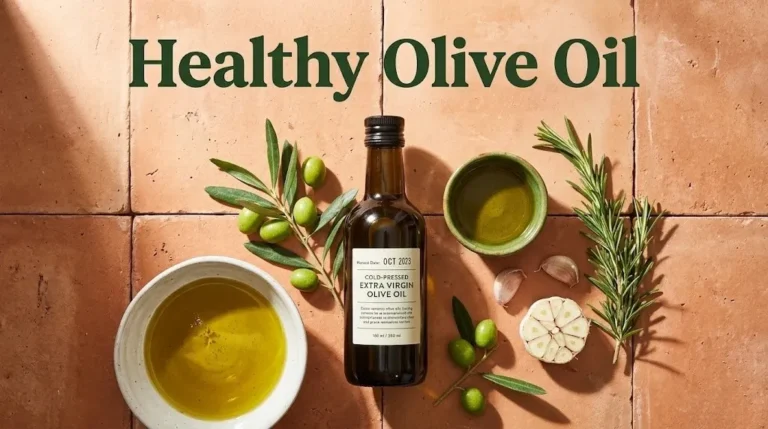
- 3/4 cup extra-virgin olive oil
- 1/4 cup red wine vinegar
- 1 garlic clove, minced or grated
- 1 teaspoon dried oregano
- 1/2 teaspoon dried basil
- 1/4 teaspoon dried thyme
- 1/2 teaspoon salt
- 1/4 teaspoon black pepper
- 1 teaspoon Dijon mustard (optional, helps emulsify)
Instructions:
- Combine all ingredients in a jar with a tight-fitting lid.
- Shake vigorously for 30 seconds until emulsified.
- Taste and adjust. Add more vinegar for tang, more oil for richness, more salt if needed.
- Store in the refrigerator. Bring to room temperature and shake before each use. The oil will solidify slightly when cold. This is normal.
Nutrition per 2 tablespoons: Approximately 60 calories, 7g fat, 1g saturated fat, 0g carbohydrates, 0g sugar, 50-100mg sodium.
The sodium content is one-fifth to one-eighth of commercial versions. The oil is extra-virgin olive oil, not soybean oil. The ingredients are all recognizable. This is what Italian dressing is supposed to be.
Dietary Sensitivity Note: Fresh garlic in oil can support the growth of Clostridium botulinum if left at room temperature. Refrigerate immediately and use within 3 to 5 days.
Homemade Italian Dressing Recipe and Variations
The basic homemade Italian dressing recipe serves as a template for variations including lemon herb, balsamic Italian, spicy Calabrian, and creamy Italian, each adding flavor through whole food ingredients without additional sugar or processed additives.
Master ratio: 3 parts oil to 1 part vinegar or acid. This is the foundation. Adjust to taste. A 2:1 ratio is sharper. A 4:1 ratio is richer.
Variations on the master recipe:
Lemon herb Italian: Replace red wine vinegar with fresh lemon juice. Add 1 teaspoon lemon zest and 1 extra tablespoon fresh herbs (parsley, basil). Brighter, fresher.
Balsamic Italian: Replace half the red wine vinegar with balsamic vinegar. The balsamic adds sweetness naturally. Reduce salt slightly.
Spicy Calabrian Italian: Add 1/2 teaspoon red pepper flakes or 1 teaspoon chopped Calabrian chilies. Steep in the oil for 10 minutes before adding other ingredients.
Creamy Italian (no dairy): Add 1 tablespoon mayonnaise or Greek yogurt and 1 extra teaspoon Dijon mustard. Shake until emulsified. The texture is creamier without cream.
Storage: All versions keep in the refrigerator for up to 1 week. The garlic flavor intensifies over time. Bring to room temperature and shake before serving.
Dietary Sensitivity Note: The creamy version with yogurt contains dairy. The mayonnaise version is dairy-free if made with standard mayonnaise.
Key Takeaway: Homemade Italian dressing follows a 3:1 oil-to-vinegar ratio. Variations add herbs, citrus, or spice while maintaining whole food ingredients.
Frequently Asked Questions About Italian Dressing
Is Italian dressing healthier than ranch?
Yes, Italian dressing is generally healthier than ranch because it has roughly half the calories (70 vs 130 per serving) and less saturated fat.
Ranch is made with buttermilk, egg yolks, and sometimes sour cream, which add saturated fat and calories.
Italian dressing is an oil-based vinaigrette with no dairy or egg yolks.
What is the healthiest store-bought Italian dressing?
The healthiest store-bought Italian dressings use olive oil as the first ingredient, contain less than 250 milligrams of sodium, have no added sugar, and have a short ingredient list.
Brands like Primal Kitchen, Newman’s Own Olive Oil and Vinegar, and Tessemae’s generally meet these criteria.
Homemade Italian dressing is healthier than any store-bought option.
Can Italian dressing help with weight loss?
Italian dressing can support weight loss when used in measured amounts because it is lower in calories than creamy dressings.
The key is portion control. Measure 2 tablespoons. Do not free pour.
The fat helps absorb fat-soluble vitamins from vegetables, which is a genuine nutritional benefit.
Is homemade Italian dressing healthier than store-bought?
Yes, homemade Italian dressing is significantly healthier because you use extra-virgin olive oil instead of soybean oil, control the sodium to 50 to 100 milligrams per serving, and eliminate added sugar and preservatives.
It takes 2 minutes to make and costs less per ounce than premium bottled dressings.
The flavor is fresher and more vibrant.
Is Italian dressing good for a Mediterranean diet?
Yes, Italian dressing made with olive oil fits the Mediterranean diet, which emphasizes extra-virgin olive oil as the primary dietary fat.
Commercial versions made with soybean oil do not fit the Mediterranean diet’s emphasis on olive oil.
Homemade Italian dressing with olive oil, vinegar, and herbs is a perfect Mediterranean diet condiment.
Italian dressing is not one thing. It is a spectrum from a bottle of soybean oil, corn syrup, and preservatives to a jar of olive oil, vinegar, and herbs you shook together yourself. The name on the label is the same. The contents are entirely different.
The healthiest Italian dressing is the one you make at home. Three parts olive oil. One part red wine vinegar. Garlic. Oregano. Salt. Pepper. Shake. Done. It has no soybean oil, no corn syrup, a fraction of the sodium, and all of the flavor.
If you are buying a bottle, read the back. Look for olive oil first. Look for sodium under 250 milligrams. Look for a short ingredient list. Italian dressing can be a healthy condiment when made with healthy ingredients. The bottle does not know the difference. You do.