The most effective healthy hair products are already sitting in your refrigerator and pantry. Whole foods deliver the protein, minerals, and fatty acids your hair follicles need to build strong, shiny strands.
Your hair is the second fastest-dividing cell type in the human body, which means it demands a steady supply of specific nutrients. According to the American Academy of Dermatology, inadequate intake of protein, iron, or zinc is a known contributor to excessive shedding and visibly slower growth. This is not about a single miracle ingredient. It is about a consistent dietary pattern.
This article walks through 16 foods and the exact nutrients that make them work. You will find a full one-day meal plan, three smoothie recipes that actually taste good, and clear answers on how long it takes to see results. No magic pills. Just real food with real evidence.
What Are the Best Healthy Hair Products From Your Kitchen?
The term healthy hair products typically brings to mind shampoos, serums, and treatments. The most impactful products for hair health are nutrient-dense whole foods.
Hair structure is built from a protein called keratin. The follicle, which is the living part of the hair under your scalp, needs a constant flow of oxygenated blood and micronutrients. When you eat foods rich in protein, iron, and zinc, you are supplying the raw construction materials for every strand. A topical serum works on the visible hair shaft. Food works on the root.
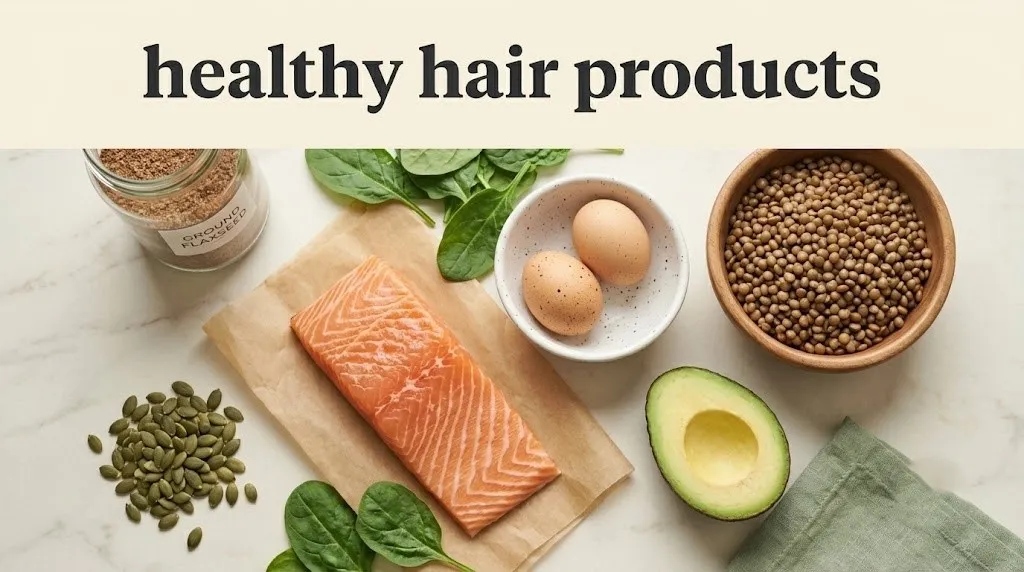
| Kitchen Product Category | Top Food Examples | Primary Hair Benefit |
|---|---|---|
| High-Quality Proteins | Eggs, Greek yogurt, salmon | Keratin production, strand strength |
| Iron-Rich Foods | Lentils, spinach, beef | Oxygen delivery to follicles |
| Omega-3 Sources | Sardines, walnuts, flaxseed | Scalp hydration, reduced inflammation |
| Zinc Providers | Pumpkin seeds, oysters, chickpeas | Tissue repair, oil gland function |
This approach does not mean abandoning all topical products. It means recognizing that a diet missing core nutrients will undermine even the most expensive hair care routine. Think of food as the construction crew working inside the building. Shampoos and conditioners are the painters working on the exterior.
Key Takeaway: The most overlooked healthy hair products are whole foods that supply protein, iron, and omega-3 fatty acids directly to the follicle.
Top Foods for Healthy Hair, According to Research
Research published in the Journal of the American Academy of Dermatology identifies several dietary factors consistently linked to hair quality. The foods that show up repeatedly in studies are not exotic. They are staples in dietary patterns like the Mediterranean diet.
Fatty fish tops most evidence-based lists. A 3-ounce serving of wild salmon delivers about 2.3 grams of omega-3 fatty acids and 22 grams of complete protein. Eggs are another research-backed choice because the yolk contains biotin, vitamin D, and choline. One large egg provides roughly 10 micrograms of biotin, about 33 percent of the Adequate Intake level for adults.
Legumes, particularly lentils, appear in studies on iron status and hair shedding. One cup of cooked lentils provides 6.6 milligrams of iron and 18 grams of protein. Nuts and seeds round out the list. Two tablespoons of pumpkin seeds deliver about 2.2 milligrams of zinc, which plays a role in follicle tissue repair.
Quick Tip:
- Pair iron-rich plant foods with a vitamin C source like bell pepper to boost absorption
- Eat the whole egg. The yolk contains most of the hair-relevant nutrients
- Choose low-mercury fish: salmon, sardines, and trout over swordfish or king mackerel
How Your Diet Affects Hair Growth and Thickness
Hair growth follows a cycle with three phases. The anagen phase is the active growth stage that lasts two to seven years. The catagen phase is a brief transition. The telogen phase is when the strand rests and eventually sheds.
Nutrient deficiencies can push a disproportionate number of follicles into the telogen phase prematurely. This condition is called telogen effluvium. A 2021 review in the Journal of the American Academy of Dermatology noted that iron deficiency, in particular, is strongly associated with this type of diffuse shedding. When ferritin levels, which reflect stored iron, drop below a certain threshold, the follicle may shut down growth to conserve resources.
Think of hair follicles like a factory production line. During a nutrient shortage, the factory slows down or halts production of non-essential items. Hair is non-essential for survival. Your body will preferentially route available protein and iron to your heart, lungs, and brain before sending it to your scalp. This is why a dietary deficiency often shows up in your hair before it appears on a standard blood test.
Diet does not change the fundamental structure of hair that has already grown. The visible strand above your scalp is dead protein. What food changes is the quality of new hair being produced inside the follicle right now.
Key Takeaway: Nutrient gaps can force hair follicles into a shedding phase early. Correcting intake improves the quality of new growth, not existing strands.
The Exact Vitamins That Support Hair Growth
Several vitamins play specific, documented roles in the hair growth cycle. The NIH Office of Dietary Supplements identifies vitamin D, vitamin C, vitamin E, and several B vitamins as particularly relevant to hair follicle function.
Vitamin D helps regulate the anagen phase of the hair cycle. Research suggests that vitamin D receptors in the follicle are involved in hair cycling. A 3-ounce serving of sockeye salmon provides about 570 international units of vitamin D. Vitamin C, also known as ascorbic acid, is a cofactor in collagen production. Collagen strengthens the hair shaft and the dermal layer housing the follicle. One medium red bell pepper supplies 152 milligrams of vitamin C, exceeding the daily Recommended Dietary Allowance.
| Vitamin | Hair-Specific Function | Top Food Sources | RDA for Adults |
|---|---|---|---|
| Vitamin D | Regulates anagen growth phase | Salmon, sardines, fortified milk | 600 IU (15 mcg) |
| Vitamin C | Collagen synthesis, iron absorption | Bell pepper, citrus, strawberries | 75 to 90 mg |
| Vitamin E | Antioxidant protection for scalp | Sunflower seeds, almonds, spinach | 15 mg |
| Biotin (B7) | Keratin infrastructure production | Eggs, beef liver, sunflower seeds | 30 mcg (AI) |
B vitamins work as a team. Biotin gets the most attention, but folate and vitamin B12 are just as critical for the red blood cell production that feeds oxygen to the follicle. A deficiency in B12 can lead to anemia, which starves follicles of oxygen.
How Protein Intake Directly Affects Hair Structure
Hair is nearly 100 percent protein, specifically a tough, fibrous protein called keratin. Keratin is built from amino acids, including cysteine, methionine, and lysine. Without adequate dietary protein, the body cannot manufacture enough keratin to sustain normal hair production.
The Academy of Nutrition and Dietetics recommends that adults consume 0.8 grams of protein per kilogram of body weight as a minimum. For a 150-pound person, that equals about 55 grams daily. Some dermatologists suggest that people experiencing hair shedding may benefit from a slightly higher intake, closer to 1.0 to 1.2 grams per kilogram. A 150-pound person would aim for roughly 68 to 82 grams of protein spread across the day.
Not all protein sources are equivalent for hair health. Animal proteins, including eggs, fish, poultry, and dairy, are complete proteins containing all nine essential amino acids. Plant proteins can still support hair health effectively when combined. Pairing legumes with grains, such as lentils with quinoa, creates a complete amino acid profile.
A severe protein deficiency will manifest as dry, brittle, and thinning hair. This is most commonly seen in restrictive eating patterns or very low-protein diets. The fix is not a single high-protein meal but a consistent daily intake across breakfast, lunch, and dinner.
Key Takeaway: Hair is built from protein. A consistent daily intake of 55 to 82 grams, depending on body weight and shedding status, provides the amino acid building blocks for keratin.
Biotin Rich Foods That Go Beyond Supplements
Biotin, a water-soluble B vitamin also called vitamin B7, functions as a coenzyme in the metabolism of amino acids that build keratin. The Adequate Intake level for adults is 30 micrograms per day. Most people who eat a varied diet hit this target without supplements.
Egg yolks are one of the richest dietary sources, supplying about 10 micrograms per large egg. Beef liver is extraordinarily dense in biotin, with a 3-ounce cooked portion providing roughly 30 to 40 micrograms. For plant-based eaters, sunflower seeds are a strong option. One-quarter cup of roasted sunflower seeds delivers about 2.6 micrograms of biotin along with vitamin E and selenium.
One critical food interaction must be noted. Raw egg whites contain a protein called avidin, which binds to biotin and prevents its absorption. Eating several raw egg whites daily for an extended period can induce a biotin deficiency. Cooked egg whites do not carry this risk because heat denatures avidin completely.
Biotin supplementation is popular, but whole food sources offer co-factors and additional nutrients that a pill cannot replicate. An egg provides protein, vitamin D, and choline alongside biotin. Those nutrients work together in ways that isolated supplements may not.
Quick Tip:
- Cook eggs thoroughly to neutralize avidin and unlock biotin
- Sunflower seeds work as a portable biotin-rich snack
- Beef liver is the most concentrated food source but should be eaten in moderation due to its high vitamin A content
The Best Iron Rich Foods for Hair, Especially If You Shed
Iron deficiency is one of the most well-documented nutritional contributors to hair shedding. Ferritin, the protein that stores iron in the body, is often measured by dermatologists when evaluating hair loss. The World Health Organization identifies iron deficiency as the most common nutritional deficiency worldwide.
There are two forms of dietary iron. Heme iron comes from animal sources like red meat, poultry, and fish. It is absorbed at a rate of roughly 15 to 35 percent. Non-heme iron comes from plant sources like lentils, spinach, and fortified grains. It is absorbed at a rate of 2 to 20 percent, depending on the meal composition.
| Iron-Rich Food | Serving Size | Iron Content (mg) | Absorption Enhancer |
|---|---|---|---|
| Beef liver | 3 oz cooked | 5.2 mg | Heme iron (high absorption) |
| Lentils | 1 cup cooked | 6.6 mg | Pair with lemon juice or bell pepper |
| Spinach | 1 cup cooked | 6.4 mg | Pair with vitamin C source |
| Oysters | 3 oz cooked | 7.8 mg | Heme iron (high absorption) |
| Pumpkin seeds | 1 oz | 2.3 mg | Pair with strawberries or citrus |
People with heavy menstrual bleeding, those following a vegan diet, and frequent blood donors are at higher risk for low iron stores. The American Academy of Dermatology notes that ferritin levels below 30 nanograms per milliliter may contribute to hair shedding. A dietitian can help interpret lab results and adjust dietary intake appropriately.
Key Takeaway: Low iron is a leading dietary cause of excess shedding. Pair plant iron sources with vitamin C to boost absorption.
Why Omega-3 Fatty Acids Matter for Scalp and Shine
Omega-3 fatty acids, specifically eicosapentaenoic acid (EPA) and docosahexaenoic acid (DHA), are polyunsaturated fats with anti-inflammatory properties. A healthy scalp environment is essential for normal follicle function. Chronic low-grade inflammation can disrupt the hair cycle.
Fatty fish provide EPA and DHA directly. A 3-ounce serving of wild sockeye salmon delivers roughly 1.2 grams of combined EPA and DHA. Sardines canned in water supply about 1.4 grams per 3-ounce serving. The American Heart Association recommends eating two servings of fatty fish per week for general health, a guideline that aligns with the intake level linked to scalp and hair benefits in observational studies.
For people who do not eat fish, alpha-linolenic acid (ALA) from plant sources can be partially converted to EPA and DHA in the body. The conversion rate is low, roughly 5 to 10 percent. Flaxseed, chia seeds, and walnuts are the richest ALA sources. Two tablespoons of ground flaxseed provide about 3.2 grams of ALA.
Omega-3s also help maintain the oil production of the scalp, which contributes to hair luster. Dry, brittle hair is sometimes a visible sign of inadequate essential fatty acid intake. Hair does not become shiny overnight. Consistent omega-3 consumption over weeks to months changes the lipid profile of the scalp and the sebum coating new hair strands.
Zinc’s Overlooked Role in Hair Tissue Repair
Zinc is a trace mineral involved in protein synthesis, cell division, and the function of the oil glands surrounding hair follicles. The Recommended Dietary Allowance for zinc is 11 milligrams per day for adult men and 8 milligrams for adult women.
The NIH Office of Dietary Supplements notes that zinc deficiency can cause hair loss, and correcting the deficiency typically resolves the shedding. Oysters are the most concentrated food source. Just three ounces of cooked oysters deliver an extraordinary 74 milligrams of zinc. That is well above the RDA, which is why oysters should be an occasional feature, not a daily staple.
For more routine consumption, pumpkin seeds, chickpeas, and Greek yogurt provide moderate amounts. One cup of chickpeas supplies 2.5 milligrams of zinc. A 6-ounce container of plain Greek yogurt adds about 1.4 milligrams.
Zinc competes with copper for absorption. Very high-dose zinc supplementation over extended periods can induce a copper deficiency, which ironically can also cause hair issues. Whole food zinc sources avoid this risk because the amounts are balanced and absorbed gradually. People who choose to supplement zinc should stay below the Tolerable Upper Intake Level of 40 milligrams per day for adults unless a physician recommends otherwise.
Key Takeaway: Zinc drives follicle tissue repair. Food sources like pumpkin seeds and chickpeas provide safe, absorbable amounts without the risk of over-supplementation.
How to Build Hair Health on a Plant-Based Diet
A well-planned plant-based diet can absolutely support hair health. The key is intentionality around nutrients that are more challenging to obtain without animal products. Protein, iron, zinc, and vitamin B12 require particular attention.
Soy products, including tofu, tempeh, and edamame, deliver complete protein with all essential amino acids. A half-cup of firm tofu provides about 22 grams of protein. Lentils, chickpeas, and black beans supply protein alongside iron and zinc. One cup of cooked lentils delivers 18 grams of protein and 6.6 milligrams of iron.
Vitamin B12 is not naturally present in plant foods. The Academy of Nutrition and Dietetics recommends that vegans obtain B12 from fortified foods or supplements. Nutritional yeast, fortified plant milks, and fortified cereals are the most reliable food-based sources. A B12 deficiency can lead to anemia and associated hair shedding, so this is one nutrient where a supplement or consistent fortified food intake is non-negotiable for hair health on a vegan diet.
| Nutrient | Plant-Based Sources | Critical Tip |
|---|---|---|
| Protein | Tofu, tempeh, lentils, quinoa | Combine legumes and grains for complete amino acids |
| Iron | Spinach, lentils, pumpkin seeds, fortified cereal | Always pair with vitamin C (lemon juice, bell pepper) |
| Zinc | Chickpeas, pumpkin seeds, oatmeal, cashews | Soaking grains and legumes improves mineral absorption |
| Omega-3 | Flaxseed, chia seeds, walnuts, hemp seeds | ALA conversion is low. Consider algae-based DHA supplement |
| Vitamin B12 | Nutritional yeast, fortified plant milk | Supplementation is strongly recommended |
A vegan hair-healthy plate might include a quinoa and lentil bowl with roasted sweet potato, massaged kale with lemon juice, and a sprinkle of pumpkin seeds. That single meal delivers protein, iron, zinc, vitamin C, and beta-carotene.
Key Takeaway: A vegan diet requires focused planning for B12, iron, and zinc, but whole plant foods can supply every nutrient hair follicles need when meals are structured intentionally.
A One-Day Meal Plan for Healthy Hair
Translating nutrient science into actual food is where the real difference happens. This one-day plan supplies roughly 75 grams of protein, 18 milligrams of iron, and 15 milligrams of zinc. It prioritizes whole foods and avoids ultra-processed ingredients.
This meal plan is designed as a template. Adjust portion sizes based on your body weight, activity level, and hunger cues. The nutrient timing is intentional. Protein is distributed evenly across meals to maximize amino acid availability for keratin synthesis throughout the day.
Quick Tip:
- Prep the lentil salad and chia pudding the night before to streamline the day
- If you do not eat fish, swap the salmon for marinated and baked tempeh with flaxseed oil drizzled on the bowl
- Drink water consistently. Dehydration does not directly cause hair loss but can make hair appear more brittle
Breakfast (7 to 9 AM): Two scrambled eggs cooked in olive oil with a handful of baby spinach wilted in. One slice of whole-grain toast topped with half an avocado. One small orange on the side.
Morning Snack (10 to 11 AM): A 5.3-ounce container of plain Greek yogurt topped with two tablespoons of pumpkin seeds and a half-cup of blueberries.
Lunch (12 to 2 PM): A salad built from 3 ounces of grilled chicken breast or baked tofu, 1 cup of cooked lentils, mixed greens, diced red bell pepper, and a lemon-tahini dressing. One medium apple.
Afternoon Snack (3 to 4 PM): A smoothie blending 1 cup unsweetened almond milk, 1 tablespoon chia seeds, 1 cup baby spinach, 1/2 banana, and a small handful of frozen mango.
Dinner (6 to 8 PM): A 4-ounce wild salmon fillet, pan-seared. Roasted sweet potato wedges and steamed broccoli with a drizzle of olive oil. A small side of quinoa.
The Best Breakfast Combinations for Hair Growth
Breakfast sets the tone for the day’s nutrient intake. After an overnight fast, the body is primed to absorb amino acids and micronutrients. A hair-supportive breakfast includes three components: a high-quality protein source, a fruit or vegetable delivering vitamin C, and a healthy fat.
Eggs appear on almost every hair health list for good reason. Two large eggs supply 12 grams of protein, 20 micrograms of biotin, and vitamin D. Pairing eggs with sautéed spinach and a slice of avocado toast covers iron, vitamin C from a squeeze of lemon, and monounsaturated fats. This combination hits almost every major hair nutrient in one meal.
For plant-based eaters, a tofu scramble mimics the egg breakfast effectively. Crumble half a block of firm tofu into a pan with turmeric, black pepper, diced bell pepper, and kale. The turmeric is optional for taste. The bell pepper brings vitamin C. The kale delivers iron. A side of whole-grain toast with almond butter adds zinc and vitamin E.
| Hair-Healthy Breakfast Combination | Key Nutrients Delivered | Prep Time |
|---|---|---|
| 2 eggs + spinach + avocado toast | Biotin, iron, vitamin C, healthy fats | 10 minutes |
| Greek yogurt bowl + pumpkin seeds + blueberries | Protein, zinc, vitamin E, antioxidants | 3 minutes |
| Tofu scramble + bell pepper + kale + whole-grain toast | Complete protein, iron, vitamin C, B12 (if fortified) | 15 minutes |
| Overnight oats + chia seeds + walnuts + strawberries | Omega-3 ALA, zinc, vitamin C, fiber | 5 minutes (night before) |
A breakfast that is only carbohydrate, such as a plain bagel or sugary cereal, spikes blood sugar and delivers almost none of the structural nutrients hair follicles require. The goal is not perfection. It is consistency.
Key Takeaway: A hair-healthy breakfast pairs protein with vitamin C and healthy fat. Eggs and spinach, a Greek yogurt bowl, or a tofu scramble all work.
Three Smoothie Recipes That Actually Support Hair Growth
Smoothies can be an efficient delivery system for multiple hair-supportive nutrients in a single glass. The key is building them with intention, not just tossing in random fruit and hoping for the best. Each recipe here prioritizes protein, a healthy fat, and a green or berry for micronutrients.
These recipes are templates. The liquid amount can be adjusted to reach your preferred consistency. All ingredients should be added to a blender and processed on high until completely smooth, typically 45 to 60 seconds.
Spinach and Blueberry Protein Smoothie
This smoothie combines iron from spinach, antioxidants from blueberries, and protein from Greek yogurt. The vitamin C in the blueberries enhances the absorption of the non-heme iron in the spinach.
Ingredients:
- 1 cup unsweetened almond milk
- 1 cup fresh baby spinach
- 1/2 cup frozen blueberries
- 1/2 cup plain Greek yogurt
- 1 tablespoon chia seeds
- 1/2 banana (frozen for a creamier texture)
Approximate nutrition: 310 calories, 21g protein, 8g fiber, 5mg iron.
Tropical Omega-3 Smoothie
Flaxseed and hemp seeds provide ALA omega-3 fatty acids. Mango and pineapple supply vitamin C. The spinach is undetectable in taste but contributes iron and folate.
Ingredients:
- 1 cup water or coconut water
- 1 cup baby spinach
- 1/2 cup frozen mango chunks
- 1/2 cup frozen pineapple chunks
- 1 tablespoon ground flaxseed
- 1 tablespoon hemp seeds
- 1/2 scoop unflavored plant-based protein powder (optional)
Approximate nutrition: 290 calories, 15g protein with powder, 7g fiber, 3.5mg iron.
Chocolate Cherry Recovery Smoothie
This smoothie works well post-workout. Cherries provide antioxidants. Cocoa powder adds iron. The cottage cheese or silken tofu base supplies a slow-digesting protein called casein, which feeds amino acids into the bloodstream over several hours.
Ingredients:
- 1 cup unsweetened soy milk
- 1/2 cup lowfat cottage cheese or silken tofu
- 1/2 cup frozen dark cherries
- 1 tablespoon unsweetened cocoa powder
- 1 tablespoon almond butter
- 1 pitted date for sweetness (optional)
Approximate nutrition: 380 calories, 28g protein, 9g fiber, 4mg iron.
Quick Tip:
- Prep smoothie ingredient bags in advance. Portion all dry and frozen ingredients into freezer bags so mornings require only liquid and a blend cycle
- Rotate your greens. Spinach, kale, and Swiss chard all work and provide slightly different nutrient profiles
- Add a tablespoon of collagen peptides for extra protein. Collagen is not a complete protein but provides specific amino acids like glycine and proline
Whole Foods vs. Hair Supplements: What the Research Shows
The supplement aisle is crowded with products promising faster hair growth. Biotin, collagen, and multivitamin formulations dominate the market. The evidence, however, strongly favors food-first approaches for most people.
A 2023 review in the Journal of the American Academy of Dermatology examined dietary supplements marketed for hair growth. The researchers found that supplementation is only consistently effective when a documented deficiency exists. Giving biotin to someone with normal biotin status does not accelerate hair growth. It simply produces expensive urine. The water-soluble B vitamins in excess are excreted.
Whole foods offer a critical advantage that supplements cannot replicate. A salmon fillet provides omega-3s, protein, vitamin D, selenium, and B vitamins in a single package. Those nutrients work synergistically. The protein improves the absorption and utilization of the omega-3s. A biotin pill provides biotin and nothing else.
| Factor | Whole Foods | Supplements |
|---|---|---|
| Nutrient synergy | Naturally present | Isolated or synthetic |
| Absorption | Enhanced by food matrix | Variable, dependent on form |
| Safety | Overconsumption is difficult | Possible to reach toxic levels |
| Cost | Part of grocery budget | Additional monthly expense |
| Evidence quality | Strong for dietary patterns | Mixed, mostly deficiency-correcting |
People with a diagnosed deficiency, restrictive diets, or malabsorption conditions may genuinely benefit from targeted supplementation. A blood test can identify low ferritin, vitamin D, or B12. A registered dietitian can interpret those results and recommend specific supplements at appropriate doses. Self-prescribing high-dose biotin without testing is wasteful at best and can interfere with certain lab tests, including thyroid panels and troponin tests used to diagnose heart attacks.
Key Takeaway: Whole foods beat supplements for hair health in almost every scenario unless a blood test confirms a specific deficiency that dietary changes cannot correct quickly enough.
Foods That May Contribute to Hair Loss or Thinning
Just as some foods support hair health, others can undermine it when consumed frequently or in large quantities. This is not about labeling foods as universally bad. It is about understanding the mechanism and moderating intake.
High-mercury fish pose a risk when eaten too often. Mercury is a heavy metal that can accumulate in the body and has been associated with hair thinning in some observational studies. Fish high in mercury include king mackerel, swordfish, shark, and tilefish. The FDA recommends that adults limit these species. Low-mercury alternatives like wild salmon, sardines, and trout provide the same omega-3 benefits without the mercury load.
Foods that cause rapid blood sugar spikes may also affect hair through hormonal pathways. A diet consistently high in refined carbohydrates and added sugars can elevate insulin levels. Higher insulin may influence androgen activity, which is implicated in pattern hair loss in genetically predisposed individuals. The research here is correlational, not causational. A glycemic rollercoaster is not good for overall metabolic health, and the scalp is not exempt from that picture.
Excessive vitamin A intake, almost always from supplements rather than food, can trigger hair shedding. The Tolerable Upper Intake Level for vitamin A is 3,000 micrograms per day for adults. It is difficult to hit that number with food alone unless consuming large amounts of liver daily. One 3-ounce serving of beef liver contains roughly 6,500 micrograms, well over the upper limit. Liver is nutrient-dense and fine as an occasional food. It should not be a daily staple for hair health.
Quick Tip:
- Choose low-mercury fish: salmon, sardines, trout, and anchovies
- Limit ultra-processed snack foods that spike blood sugar
- Eat liver no more than once per week to stay well below the vitamin A upper limit
How Long It Takes for Diet to Change Your Hair
Dietary changes affect hair on a delay. The hair you see today began growing inside the follicle roughly three to six months ago. This is the most important timeline concept to understand. It explains why a week of clean eating does not produce a visible difference.
The anagen or growth phase determines how long a strand can grow before shedding. If a nutrient deficiency shortened the anagen phase, correcting the deficiency allows new hairs to enter and stay in the anagen phase for a normal duration. That shift is not visible until the new hairs have grown long enough to be noticed, which takes at least three months and often closer to six.
A 2019 study in Dermatology and Therapy found that women with self-perceived hair thinning who followed a Mediterranean diet supplemented with specific nutrients showed measurable improvements in hair density after six months. The supplement group saw changes. The diet-only group required longer but showed improvement in hair quality parameters like shine and tensile strength.
Patience is essential. The most common mistake is changing one’s diet for three weeks, seeing no difference, and concluding that nutrition does not matter. Hair is a long-game tissue. Consistent protein, iron, and omega-3 intake over six months is the evidence-based timeframe for observable changes. A photo taken in consistent lighting at month zero and month six is a more reliable progress tracker than glancing in the mirror each morning.
Key Takeaway: Expect to wait three to six months for dietary changes to visibly affect hair growth and quality. The follicle needs time to produce new, stronger strands.
Frequently Asked Questions About Foods for Healthy Hair
Can diet alone regrow hair?
Diet can correct nutrient-deficiency-related shedding, allowing normal regrowth to resume. It does not reverse genetic pattern baldness, which is driven by hormones and genetics. A dietitian or dermatologist can help distinguish between the two.
How much protein do I need daily for hair growth?
The general adult minimum is 0.8 grams per kilogram of body weight. Someone weighing 150 pounds needs about 55 grams daily. People experiencing shedding may aim for 68 to 82 grams, spread evenly across meals.
What vitamin deficiency causes hair loss?
Iron deficiency is the most common nutritional cause. Vitamin D deficiency, zinc deficiency, and inadequate protein intake are also linked to shedding. Biotin deficiency is rare in people who eat a varied diet.
Is biotin safe to take every day?
Biotin is water-soluble and generally safe at typical supplement doses. However, high-dose biotin can interfere with certain lab tests, including thyroid panels. Stop supplementation at least 72 hours before blood work unless your physician advises otherwise.
What foods should I avoid for healthy hair?
Limit high-mercury fish like swordfish and king mackerel. Moderating ultra-processed, high-sugar foods supports metabolic health, which may benefit the scalp environment. Excessive vitamin A from supplements or daily liver consumption can trigger shedding.
The single most practical move you can make today is to look at your next three meals and identify where the protein, iron, and omega-3s are coming from. If a meal has none of those, add one source. Eggs at breakfast. Lentils at lunch. Salmon or walnuts at dinner.
Hair health is not about a single superfood or an expensive supplement. It is the cumulative effect of daily food choices over months. Your hair follicles are paying attention to what you eat right now. Feed them consistently well, and in about six months, you will see the evidence growing right on top of your head.