Yes, dogs can get food poisoning. Dogs are susceptible to the same broad categories of foodborne illness that affect humans: bacterial contamination from Salmonella, E. coli, Listeria, and Campylobacter, as well as toxin-producing organisms like Clostridium perfringens and Staphylococcus aureus. They also face additional risks from food sources that are safe for humans but toxic to canines, including chocolate, grapes, onions, garlic, and the sugar substitute xylitol. A dog with food poisoning is a genuinely frightening situation for an owner, made worse by the fact that dogs cannot describe their symptoms. They can only show you.
The American Veterinary Medical Association (AVMA) reports that gastrointestinal illness is one of the most common reasons for emergency veterinary visits in the United States. The FDA regulates pet food safety under the same Food Safety Modernization Act (FSMA) framework that governs human food, and pet food recalls for Salmonella and Listeria occur with some regularity. The risk is real, but it is also manageable when you know what to watch for, how to respond, and which foods in your kitchen pose the greatest danger.
This article covers the symptoms of food poisoning in dogs, the timeline for recovery, the specific food hazards that send dogs to the emergency room, home care strategies for mild cases, the red flags that require an immediate vet visit, and how to prevent food poisoning in the first place. A veterinarian is the right person to diagnose and treat your individual dog. This information is educational and is not a substitute for a physical exam, diagnostic testing, or professional treatment. Breed, age, health status, and the specific toxin or pathogen involved all affect the severity of food poisoning and the appropriate response.
What Causes Food Poisoning in Dogs?
Food poisoning in dogs is caused by eating food contaminated with pathogenic bacteria, bacterial toxins, molds, or substances that are inherently toxic to canine physiology. The three main categories are bacterial infection, where live pathogens like Salmonella colonize the gut; bacterial intoxication, where pre-formed toxins in spoiled food cause illness even if the bacteria themselves are dead; and canine-specific food toxicities, where foods that are harmless to humans cause organ damage or metabolic crisis in dogs.
Bacterial contamination is the most common cause of foodborne illness in dogs. Salmonella bacteria can be present in raw or undercooked meat, eggs, and contaminated commercial pet food. Dogs can carry Salmonella without showing symptoms, shedding the bacteria in their stool and potentially infecting humans in the household. The Centers for Disease Control and Prevention (CDC) has documented multiple Salmonella outbreaks linked to dry pet food and raw pet food diets. E. coli and Campylobacter are similarly associated with raw meat consumption and fecal-oral transmission.
Bacterial intoxication happens when food spoils. Staphylococcus aureus produces a heat-stable enterotoxin in food left at room temperature for too long. Clostridium perfringens produces a toxin in cooked meat that has been cooled too slowly. These toxins cause rapid-onset vomiting and diarrhea, often within a few hours of ingestion. A dog that raids the trash can, chews through a bag of forgotten groceries, or finds a dead animal in the yard is the classic presentation. The food smells bad. The dog eats it anyway. Symptoms follow quickly.
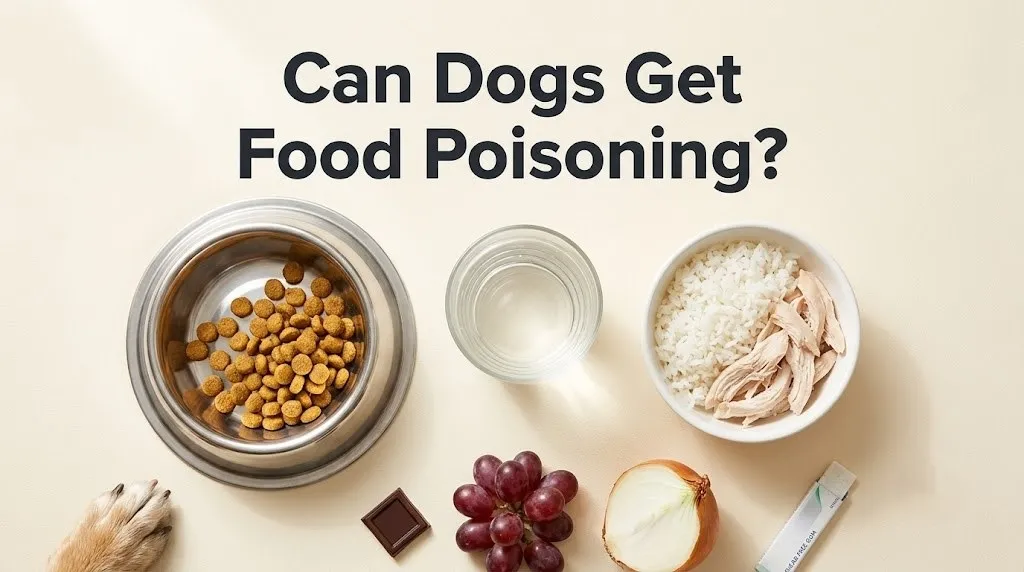
Canine-specific food toxicities are a separate and uniquely dangerous category. Chocolate contains theobromine and caffeine, methylxanthines that dogs metabolize far more slowly than humans. Grapes and raisins can cause acute kidney failure through a mechanism that is still not fully understood as of 2026. Onions and garlic contain N-propyl disulfide, which damages red blood cells and causes hemolytic anemia. Xylitol, a sugar substitute found in sugar-free gum, peanut butter, and baked goods, triggers a rapid insulin release in dogs that can cause hypoglycemia, seizures, and liver failure within hours. These are not “food poisoning” in the infectious sense. They are poisonings, and they are medical emergencies.
Symptoms of Food Poisoning in Dogs: What to Watch For
The most common symptoms of food poisoning in dogs are vomiting, diarrhea, lethargy, loss of appetite, and abdominal pain, typically beginning within 1 to 24 hours of eating the contaminated food. The timeline and severity depend on the specific pathogen or toxin involved. Bacterial intoxication from pre-formed toxins can produce symptoms within 30 minutes to 6 hours. Bacterial infection from live organisms often takes 12 to 72 hours to develop as the bacteria colonize the gut and multiply.
The character of the vomiting and diarrhea provides clues about the underlying cause, though a veterinarian is the one to interpret them. Vomiting that occurs within an hour of eating and contains undigested food suggests gastric irritation. Vomiting that is persistent, projectile, or contains blood requires immediate veterinary attention. Diarrhea that is watery and high-volume suggests small intestinal involvement. Diarrhea with mucus or streaks of blood suggests large intestinal inflammation. Hematochezia, bright red blood in the stool, indicates bleeding in the lower gastrointestinal tract. Melena, dark, tarry stool, indicates bleeding higher up in the digestive system and is a serious finding.
Other symptoms that can accompany food poisoning include:
- Fever (normal dog temperature is 101 to 102.5 degrees Fahrenheit). A fever above 103 degrees Fahrenheit suggests systemic infection.
- Dehydration, visible as dry, tacky gums, sunken eyes, and a loss of skin elasticity. Pinch the skin on the back of the neck. If it does not snap back immediately, the dog is dehydrated.
- Excessive drooling or lip-licking, which can indicate nausea.
- Restlessness or a hunched posture, which can indicate abdominal pain.
- Tremors, seizures, or collapse, which are neurological signs associated with severe toxicity from chocolate, xylitol, or tremorgenic mycotoxins found in moldy food.
The severity of symptoms is influenced by the dog’s size, age, and overall health. A large, healthy adult dog who eats a small amount of spoiled food may have a single episode of vomiting and recover without intervention. A small-breed puppy, a senior dog with underlying kidney disease, or a dog on immunosuppressive medication who eats the same food may develop life-threatening dehydration, sepsis, or organ failure. The same exposure does not produce the same outcome across different dogs. This is why breed, age, and health status must be part of the assessment.
How Long Does Food Poisoning Last in Dogs?
Most mild to moderate cases of food poisoning in dogs resolve within 24 to 72 hours with supportive care at home. The dog may vomit once or twice, have loose stool for a day or two, and gradually return to normal appetite and energy. This is the expected course for a healthy adult dog who ate something mildly spoiled and is being managed with rest, hydration, and a bland diet.
Bacterial infections that involve fever, bloody diarrhea, or dehydration may last 5 to 7 days and often require veterinary intervention including antibiotics, anti-nausea medication, and subcutaneous or intravenous fluids. A dog who is unable to keep water down for more than 12 hours or who is passing large volumes of bloody stool is on a path to dehydration and electrolyte imbalances that cannot be corrected at home.
The recovery timeline for specific food toxicities varies by substance and dose. Chocolate toxicity resolves over 24 to 72 hours with veterinary treatment, but severe cases involving seizures or cardiac arrhythmias can have lasting effects. Grape and raisin toxicity can cause acute kidney failure that develops over 48 to 72 hours and may be irreversible by the time symptoms appear. Xylitol toxicity can cause liver failure within 24 to 48 hours of ingestion. These are not conditions where waiting to see if the dog improves is appropriate. They require immediate veterinary intervention.
| Type of Foodborne Illness | Onset After Ingestion | Typical Duration | Vet Visit Required? |
|---|---|---|---|
| Mild bacterial intoxication (spoiled food) | 1 to 6 hours | 24 to 48 hours | If vomiting persists beyond 12 hours |
| Bacterial infection (Salmonella, E. coli, etc.) | 12 to 72 hours | 5 to 7 days | Yes, if fever, blood in stool, or dehydration |
| Chocolate toxicity | 2 to 12 hours | 24 to 72 hours with treatment | Yes, immediately |
| Xylitol toxicity | 15 to 30 minutes | 24 to 48 hours, possible liver failure | Yes, immediately |
| Grape/raisin toxicity | 24 to 72 hours for kidney symptoms | May be irreversible | Yes, immediately |
| Onion/garlic toxicity | 1 to 5 days for anemia to develop | Days to weeks for recovery | Yes, if significant amount eaten |
Key Takeaway: A dog who vomits once, has mild diarrhea, and is still drinking water and alert can be monitored at home for 24 hours. A dog who vomits repeatedly, cannot keep water down, has blood in vomit or stool, is lethargic, or has eaten a known canine toxin needs a veterinarian now.
How to Treat Food Poisoning in Dogs at Home
Home treatment for mild food poisoning in a dog follows the same principles as human supportive care: rest the digestive tract, maintain hydration, and reintroduce food gradually using a bland, easily digestible diet. The goal is to let the gut lining heal while preventing dehydration and electrolyte loss. Home treatment is only appropriate for dogs with mild symptoms: one or two episodes of vomiting, soft stool without blood, normal gum color, and a dog who is still alert and interested in water.
The first step is to withhold food for 12 to 24 hours while ensuring access to fresh water. The gut needs time to clear the irritant and reset. Continuing to feed a dog who is actively vomiting prolongs the irritation. Water should be offered in small amounts frequently rather than in a large bowl that the dog might gulp. Ice cubes or a tablespoon of water every 15 to 30 minutes can keep a nauseated dog hydrated without triggering more vomiting.
After the fasting period, reintroduce food using a bland diet of boiled white rice and boiled skinless chicken breast, mixed in a 2:1 ratio of rice to chicken. This is the standard veterinary bland diet recommendation because both components are low in fat, low in fiber, and highly digestible. Start with a small portion, roughly one-quarter of the dog’s normal meal size. If that stays down for 2 hours, offer another small portion. Feed small, frequent meals for the first 24 hours before gradually returning to the dog’s regular food over the next 2 to 3 days.
What you can give your dog for food poisoning is limited to water, the bland diet described above, and time. Do not give over-the-counter human medications without explicit instruction from a veterinarian. Pepto-Bismol (bismuth subsalicylate) is sometimes used in veterinary medicine but is contraindicated in dogs with bleeding disorders or those on non-steroidal anti-inflammatory drugs. Imodium (loperamide) can slow diarrhea but is dangerous for dogs with certain infections or toxin exposures because it traps the harmful substance in the gut. Activated charcoal is sometimes recommended by veterinarians for specific toxin ingestions but should not be given without guidance because it can interfere with other treatments and is not appropriate for all toxins.
The rule for home treatment is simple: if the dog is not clearly improving within 24 hours, or if any symptom worsens at any point, stop home treatment and see a veterinarian. A dog who is still vomiting after a day of supportive care is not going to recover on its own and is at risk of dehydration, electrolyte imbalances, and progression to a more serious condition.
When to Take Your Dog to the Vet for Food Poisoning
Take your dog to the veterinarian immediately if any of these red flags are present: persistent vomiting lasting more than 12 hours, inability to keep water down, blood in vomit or stool, severe lethargy or collapse, pale or bright red gums, a distended or painful abdomen, seizures or tremors, or known ingestion of a toxic food including chocolate, grapes, raisins, onions, garlic, xylitol, alcohol, macadamia nuts, or moldy food. These are not wait-and-see situations.
The urgency of veterinary care varies by the specific toxin. Xylitol ingestion is a genuine emergency measured in minutes to hours. The first sign is often vomiting followed by rapid-onset hypoglycemia, weakness, ataxia (wobbly gait), and seizures. Liver failure can develop within 24 hours. If you know or suspect your dog has eaten anything containing xylitol, go to the nearest emergency veterinary hospital immediately. Do not wait for symptoms. Do not call your regular vet’s office if they are closed. Go.
Chocolate toxicity is dose-dependent and can be assessed with an online chocolate toxicity calculator if you know the type of chocolate, the amount eaten, and your dog’s weight. Baker’s chocolate and dark chocolate are the most dangerous because of their high theobromine concentration. Milk chocolate is less concentrated but still dangerous in large amounts. White chocolate contains negligible theobromine. If the calculated dose is near or above the toxic threshold, a veterinarian should induce vomiting, administer activated charcoal, and monitor the dog for cardiac signs.
At the veterinary hospital, treatment for food poisoning may include intravenous fluids for dehydration, anti-nausea injections such as maropitant (Cerenia), antibiotics if a bacterial infection is suspected or confirmed through fecal testing, gastroprotectants like famotidine or sucralfate to coat and protect the stomach lining, and activated charcoal to bind any remaining toxin in the gut. A veterinarian will tailor the treatment to the specific presentation, the dog’s medical history, and the suspected or confirmed cause. The physical exam, blood work, and sometimes abdominal imaging guide these decisions.
Foods That Commonly Cause Food Poisoning in Dogs
The foods most likely to cause food poisoning or toxic reactions in dogs include raw or undercooked meat, raw eggs, spoiled garbage, compost, moldy food, and specific human foods that are toxic to canines. Each category represents a different mechanism of illness and a different level of risk.
Raw meat and raw eggs carry the same pathogens for dogs that they carry for humans: Salmonella, E. coli, Campylobacter, and Listeria. The FDA and the AVMA both discourage the feeding of raw diets to dogs, citing the risk of infection to the dog and the risk of zoonotic transmission to humans in the household, particularly children, the elderly, pregnant women, and immunocompromised individuals. Raw pet food recalls for pathogen contamination occur regularly. A 2024 study in the Journal of the American Veterinary Medical Association found that dogs fed raw diets were more likely to shed antibiotic-resistant bacteria in their stool compared to dogs fed commercial kibble or cooked home-prepared diets.
Garbage and compost are the classic sources of bacterial intoxication. The “garbage gut” presentation, acute vomiting and diarrhea in a dog who raided the trash can, is usually caused by pre-formed bacterial toxins in spoiled food rather than a live infection. The dog eats rotten meat, dairy, or vegetables, and the toxins that bacteria have already produced in the food cause rapid gastrointestinal inflammation. These cases often resolve with supportive care, but they can be severe.
Moldy food carries a risk beyond bacterial toxins. Certain molds produce tremorgenic mycotoxins that cause muscle tremors, seizures, and hyperthermia in dogs. The classic source is moldy dairy products, bread, nuts, or compost. A dog found eating from a moldy bag of forgotten groceries in the back of the car or the garage is at risk. Tremorgenic mycotoxin poisoning is a veterinary emergency that requires hospitalization, muscle relaxants, and supportive care.
Canine-specific food toxins with no human equivalent include:
- Chocolate (theobromine and caffeine): Vomiting, diarrhea, hyperactivity, tachycardia, tremors, seizures.
- Grapes and raisins: Vomiting, lethargy, anorexia, acute kidney failure.
- Onions and garlic (Allium species): Hemolytic anemia, weakness, pale gums, dark urine.
- Xylitol: Hypoglycemia, vomiting, weakness, seizures, liver failure.
- Macadamia nuts: Weakness, tremors, hyperthermia, usually self-limiting but distressing.
- Alcohol and raw yeast dough: Ethanol poisoning, hypoglycemia, respiratory depression.
- Avocado (persin): Vomiting and diarrhea, primarily in birds and rodents, but dogs can experience gastrointestinal upset from the high fat content.
Quick Tip: If your dog eats something you are not sure about, take a photo of the ingredient label, estimate the amount eaten, and call your veterinarian or a pet poison control hotline such as the ASPCA Animal Poison Control Center or the Pet Poison Helpline. Have your dog’s weight ready. The faster you call, the more treatment options are available.
Preventing Food Poisoning in Dogs
Preventing food poisoning in dogs comes down to safe food handling, secure trash storage, and keeping toxic human foods out of reach. The same food safety principles that apply to human meals apply to dog meals, with additional vigilance about the specific foods that harm dogs but not people.
Dog food safety practices include:
- Store dry kibble in its original bag inside an airtight container. The bag contains lot numbers and best-by dates that are needed if a recall occurs.
- Wash food and water bowls daily with hot, soapy water. Biofilm builds up on dog bowls quickly and harbors bacteria.
- Do not leave wet food out for more than 2 hours at room temperature. Bacteria double in number every 20 minutes in the temperature danger zone between 40 and 140 degrees Fahrenheit.
- Refrigerate opened cans of wet food and use within 3 days.
- Discard any dog food that smells off, has visible mold, or is past its best-by date.
- Wash your hands before and after handling pet food and treats. This reduces the risk of cross-contamination between pet food and human food preparation surfaces.
Trash and counter-surfing prevention requires environmental management. A dog-proof trash can with a locking lid is the single most effective intervention for preventing garbage-related food poisoning. Kitchen trash should be inaccessible when the dog is home alone. Compost bins should be fully enclosed and located in a part of the yard the dog cannot access. Counter-surfing dogs need to be managed with training, but in the short term, food should never be left unattended on counters or tables.
Toxic food storage matters. Chocolate, sugar-free gum, xylitol-containing peanut butter, grapes, raisins, onions, and garlic should be stored in cabinets above counter height or behind closed doors that a dog cannot open. A surprising number of xylitol poisonings occur when a dog chews through a purse or backpack to get to a pack of sugar-free gum. The minty flavor of the gum is appealing, and the xylitol concentration is high. Purses, backpacks, and coat pockets are not safe storage locations for xylitol products in a house with a dog.
Frequently Asked Questions About Dog Food Poisoning
Can dogs get food poisoning from dry kibble?
Yes, dogs can get food poisoning from dry kibble if it is contaminated with Salmonella, Listeria, or other pathogens during manufacturing.
Dry pet food recalls for bacterial contamination occur regularly and are tracked by the FDA.
Storing kibble properly, washing bowls daily, and discarding food past its best-by date reduce the risk.
What can I give my dog for food poisoning at home?
You can give a dog with mild food poisoning a bland diet of boiled white rice and skinless chicken breast in small, frequent portions after a 12 to 24 hour food rest period.
Ensure the dog has access to fresh water at all times, offered in small amounts frequently.
Do not give human medications like Pepto-Bismol or Imodium without explicit instruction from a veterinarian.
How long does it take for a dog to recover from food poisoning?
Most dogs with mild food poisoning recover within 24 to 72 hours with supportive care.
Bacterial infections may require 5 to 7 days of treatment including antibiotics and fluids.
Recovery from toxic food ingestions like xylitol or grapes depends on how quickly treatment was started and whether organ damage occurred.
Can dogs get salmonella from raw chicken?
Yes, dogs can get Salmonella from raw chicken, and they can shed the bacteria in their stool even if they do not show symptoms.
The FDA and AVMA discourage feeding raw poultry to dogs due to the risk of infection to the dog and zoonotic transmission to humans.
Cooking chicken to an internal temperature of 165 degrees Fahrenheit kills Salmonella.
Is it safe to give my dog food that just expired?
Expired dog food may contain spoilage organisms, degraded nutrients, or mold that can produce tremorgenic mycotoxins.
A food that is a few days past its best-by date and has been stored properly is likely safe but should be checked for off odors or visible mold.
When in doubt, throw it out. The cost of a new bag of food is less than an emergency vet visit.
Food poisoning in dogs is common, frightening, and largely preventable. The same food safety habits that protect the humans in your household, washing hands, refrigerating leftovers, discarding spoiled food, cooking meat to safe temperatures, also protect the dog. The added layer of vigilance for dog owners is knowing which human foods are canine toxins and keeping them physically out of reach. Chocolate in a high cabinet. Grapes in a closed refrigerator drawer. Xylitol-containing gum in a latched purse hung on a hook, not dropped on the couch.
The most important skill to develop is distinguishing between a dog who needs a bland diet and a day on the couch and a dog who needs a veterinarian within the hour. A single episode of vomiting in an otherwise alert, hydrated dog is watch-and-wait territory. Repeated vomiting, blood, lethargy, a painful belly, or known ingestion of a toxic food is an emergency. Trust your gut. If you are scared, go to the vet. You will never regret a false alarm emergency visit. You may forever regret the one you decided to wait out.
Your veterinarian knows your dog’s specific health history, breed predispositions, and risk factors. Keep the number saved in your phone. Keep the ASPCA Animal Poison Control Center number saved too. When the dog is sick at 2 a.m., you do not want to be searching for numbers. You want them ready. Preparation turns a crisis into a problem you know how to solve.