Branzino is an exceptionally healthy fish. A standard 6-ounce cooked fillet of European sea bass (Dicentrarchus labrax), the fish sold as branzino in U.S. restaurants and markets, delivers roughly 275 calories, 42 grams of protein, and 10 grams of total fat, of which only about 2.5 grams are saturated fat. It is a lean, high-protein white fish with a clean, mildly sweet flavor and a flaky texture that takes well to almost any cooking method. Nutritionally, it belongs in the same category as cod, halibut, sea bass, and snapper: low in calories, high in protein, moderate in healthy fats, and rich in several vitamins and minerals that are difficult to get from plant foods.
The fish’s nutritional profile makes it an excellent choice for nearly every dietary pattern. It fits naturally into the Mediterranean diet, the DASH diet, a high-protein eating plan, and a low-calorie weight loss approach. It provides the same kind of lean, complete animal protein as a skinless chicken breast, but with the added benefit of omega-3 fatty acids and the mineral selenium, which supports thyroid function and acts as an antioxidant in the body. The American Heart Association recommends eating fish, particularly fatty fish, at least twice a week. Branzino, while not as oily as salmon or mackerel, still contributes meaningful omega-3s.
This article covers the complete nutritional profile of branzino, how it compares to other popular fish, the specific vitamins and minerals it provides, how to cook it for the healthiest result, and who should be cautious about eating it. Every nutrition figure is sourced from the USDA FoodData Central and current dietary guidance from the American Heart Association and the Academy of Nutrition and Dietetics as of 2026.
What Is Branzino? The Fish Behind the Name
Branzino is the Italian name for the European sea bass (Dicentrarchus labrax), a silvery, mild-flavored fish native to the Mediterranean Sea and the eastern Atlantic Ocean from Norway to Senegal. It is the same fish sold as loup de mer in France, lubina in Spain, and sea bass or Mediterranean sea bass in English-speaking markets. Nearly all branzino sold in the United States is farm-raised, primarily in Greece, Turkey, and other Mediterranean countries.
The distinction between wild and farmed branzino matters for nutrition. Wild European sea bass is a seasonal product with a variable fat content depending on the fish’s age, diet, and the time of year it was caught. Farmed branzino is available year-round and has a more consistent nutritional profile because the fish are raised on a controlled diet. A 2024 study published in the journal Aquaculture found that farmed Mediterranean sea bass had comparable protein levels and a slightly higher total fat content than wild-caught specimens, with the added fat coming primarily from the fish feed’s vegetable oil component. Neither wild nor farmed branzino is high in saturated fat. Both are excellent protein sources.
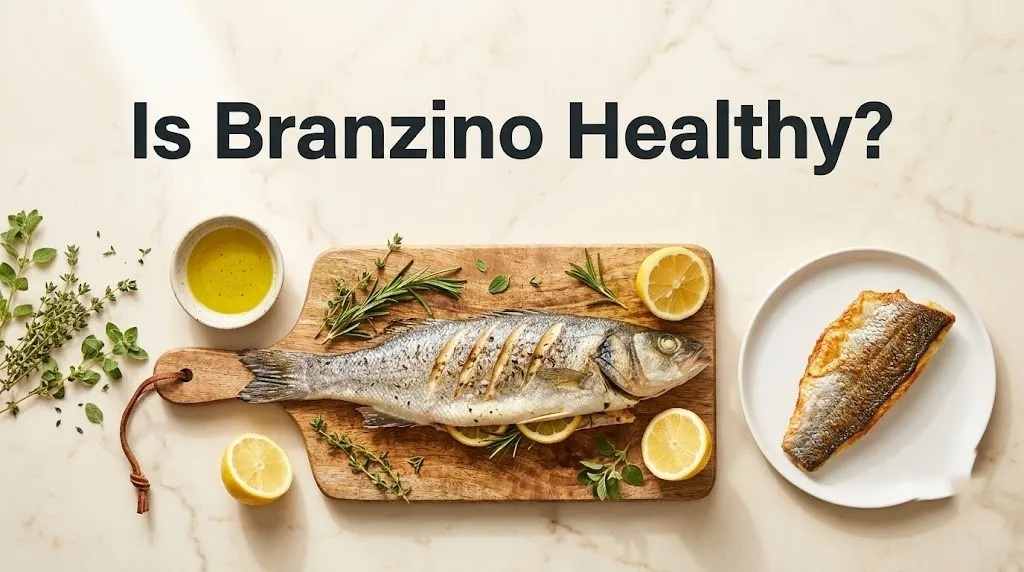
Branzino is typically sold whole, gutted and scaled, at a weight of 1 to 2 pounds. A whole fish of this size yields two fillets of roughly 5 to 7 ounces each. Many fish counters and specialty grocers also sell branzino fillets with the skin on, which is the preferred format for pan-searing because the skin crisps beautifully and holds the delicate flesh together during cooking. The skin is edible and contains additional collagen and fat.
The flavor of branzino is one of the most approachable in the seafood category. It is clean, mild, slightly sweet, and not at all “fishy.” The flesh is white, flaky, and tender. If you have a family member who claims not to like fish, branzino is a strong candidate for changing that opinion. It is the fish equivalent of a boneless, skinless chicken breast: adaptable, inoffensive, and a blank canvas for sauces, herbs, and spices.
Branzino Nutrition Facts: Calories, Protein, Fat, and Micronutrients
A standard 6-ounce (170-gram) cooked fillet of branzino contains approximately 275 calories, 42 grams of protein, 10 grams of total fat, 2.5 grams of saturated fat, 100 milligrams of cholesterol, and zero carbohydrates. The micronutrient profile is anchored by selenium, phosphorus, potassium, vitamin B12, niacin (vitamin B3), and vitamin D. Branzino is also a source of omega-3 fatty acids, specifically eicosapentaenoic acid (EPA) and docosahexaenoic acid (DHA), though at lower levels than oily fish like salmon.
The protein in branzino is complete and highly digestible. A 6-ounce fillet provides roughly 84 percent of the daily protein requirement for a 150-pound adult, based on the Academy of Nutrition and Dietetics recommendation of 0.8 grams of protein per kilogram of body weight. The protein quality score, measured by the Protein Digestibility Corrected Amino Acid Score (PDCAAS), is essentially identical to that of poultry, beef, and eggs. Fish protein is also slightly lower in connective tissue than land animal protein, which makes cooked branzino feel tender and easy to digest. This matters for older adults, people recovering from illness, and anyone with digestive sensitivity.
| Nutrient (6 oz cooked fillet, ~170g) | Amount | Percent Daily Value (DV) |
|---|---|---|
| Calories | 275 | N/A |
| Protein | 42 g | ~84% |
| Total Fat | 10 g | ~15% |
| Saturated Fat | 2.5 g | ~13% |
| Cholesterol | 100 mg | ~33% |
| Selenium | 70 mcg | ~127% |
| Phosphorus | 420 mg | ~34% |
| Potassium | 520 mg | ~11% |
| Vitamin B12 | 4.5 mcg | ~188% |
| Niacin (B3) | 10 mg | ~63% |
| Vitamin D | 8 mcg | ~40% |
| EPA + DHA (omega-3) | 0.6 to 0.9 g | N/A |
Source: USDA FoodData Central, European sea bass, cooked, dry heat. Values are approximations based on farmed Mediterranean sea bass.
The selenium content is the most concentrated micronutrient in branzino. A single fillet delivers more than the full daily value for selenium. This mineral is a component of selenoproteins, a family of enzymes that regulate thyroid hormone production, protect cells from oxidative damage, and support immune function. The National Institutes of Health (NIH) Office of Dietary Supplements notes that selenium deficiency is rare in the United States but can occur in regions with low-selenium soil. Seafood is one of the most reliable dietary sources.
Vitamin B12 is present at nearly double the daily requirement in a single serving. B12 is essential for red blood cell formation, neurological function, and DNA synthesis. It is found almost exclusively in animal foods. Fish, including branzino, is one of the richest sources. For people following a pescatarian or Mediterranean diet, branzino contributes B12 that would otherwise need to come from dairy, eggs, or fortified foods.
Branzino vs. Salmon: Which Is Healthier?
Branzino and salmon are both healthy, but they are nutritionally different fish with different strengths. Salmon wins on omega-3 fatty acid content by a wide margin. Branzino wins on being a leaner, lower-calorie protein source with a milder flavor. The choice between them depends on what nutritional goal you are prioritizing.
A 6-ounce serving of wild sockeye salmon delivers roughly 360 calories, 40 grams of protein, 18 grams of total fat, 2 grams of saturated fat, and approximately 2.5 grams of EPA and DHA omega-3s. That is nearly three times the omega-3 content of branzino and roughly 85 additional calories, almost all from healthy polyunsaturated fats. The American Heart Association specifically recommends fatty fish like salmon, mackerel, herring, and sardines for their high omega-3 content, which is associated with reduced cardiovascular disease risk.
Branzino delivers about 0.6 to 0.9 grams of combined EPA and DHA per serving. That is a meaningful contribution to the 250 to 500 milligrams of daily EPA and DHA that the World Health Organization (WHO) and the Dietary Guidelines for Americans recommend for cardiovascular health. It is not as concentrated a source as salmon, but it still counts toward the two servings of fish per week guideline. For someone who does not enjoy the stronger flavor and oilier texture of salmon, branzino is a more palatable way to get omega-3s into the diet.
| Nutrient (6 oz cooked) | Branzino | Wild Sockeye Salmon | Atlantic Cod | Tilapia |
|---|---|---|---|---|
| Calories | 275 | 360 | 180 | 220 |
| Protein (g) | 42 | 40 | 38 | 40 |
| Total Fat (g) | 10 | 18 | 1.5 | 4 |
| Saturated Fat (g) | 2.5 | 2 | 0.4 | 1.5 |
| Omega-3 EPA + DHA (g) | 0.6 to 0.9 | 2.5 | 0.3 | 0.2 |
| Selenium (% DV) | 127% | 95% | 55% | 80% |
Branzino outperforms Atlantic cod and tilapia on omega-3s and selenium. Cod is an ultra-lean white fish with less than 2 grams of fat per serving and a correspondingly lower omega-3 contribution. Tilapia is a farmed freshwater fish with a higher omega-6 to omega-3 ratio that some nutrition researchers have flagged as less ideal for anti-inflammatory eating patterns. Branzino sits in a favorable middle ground: leaner than salmon, fattier and more omega-3-rich than cod or tilapia.
Key Takeaway: Choose salmon when you want maximum omega-3s. Choose branzino when you want a lean, high-protein white fish that still delivers meaningful omega-3s, selenium, and B12 with a mild flavor that works in almost any recipe.
The Health Benefits of Eating Branzino
Branzino supports heart health, muscle maintenance, thyroid function, and brain health through its combination of lean protein, omega-3 fatty acids, selenium, and B vitamins. These benefits are not unique to branzino. They apply to most fish. What makes branzino worth calling out is its specific nutritional density combined with its culinary accessibility. It is one of the healthiest fish that people actually enjoy eating.
The protein content supports muscle protein synthesis, the process by which the body repairs and builds muscle tissue after exercise or daily wear and tear. A 6-ounce fillet of branzino provides roughly the same amount of protein as a large chicken breast with a similar calorie count. The protein is highly digestible and contains all nine essential amino acids. For an older adult concerned about age-related muscle loss, known as sarcopenia, branzino is an easy-to-chew, easy-to-digest protein source that does not require heavy seasoning or complex preparation to be palatable.
The omega-3 fatty acids in branzino, while lower than salmon, still contribute to cardiovascular health. EPA and DHA are long-chain omega-3s that have been shown in large epidemiological studies and randomized controlled trials to reduce triglyceride levels, modestly lower blood pressure, and reduce the risk of arrhythmias. The American College of Cardiology includes fish consumption as part of its lifestyle recommendations for cardiovascular disease prevention. A 2023 meta-analysis published in the Journal of the American Heart Association found that each additional 20 grams of daily fish intake, roughly half a fillet per week, was associated with a 4 percent lower risk of cardiovascular mortality. Branzino eaten once or twice a week contributes to that cumulative intake.
The selenium in branzino supports the production of thyroid hormones, specifically the conversion of the storage hormone T4 (thyroxine) into the active hormone T3 (triiodothyronine). Selenium is also a cofactor for glutathione peroxidase, one of the body’s primary endogenous antioxidant enzymes. This is not a benefit you feel directly. It is a background metabolic support that contributes to long-term cellular health. The European Food Safety Authority (EFSA) recognizes selenium as essential for normal thyroid function, immune system function, and the protection of cells from oxidative stress.
Is Branzino Safe to Eat? Mercury, Contaminants, and Sourcing
Branzino is a low-mercury fish, making it a safer choice for frequent consumption than large predatory species like swordfish, shark, king mackerel, and tilefish. The FDA and the Environmental Protection Agency (EPA) classify European sea bass, the branzino species, as a “best choice” fish in their joint mercury advisory, meaning it contains low levels of methylmercury and is safe to eat two to three times per week for adults, including pregnant and breastfeeding women.
The mercury concern with seafood is real and well-documented. Methylmercury is a neurotoxin that accumulates in the muscle tissue of fish, concentrating as it moves up the food chain. Large, long-lived predatory fish accumulate the most. Small, short-lived fish like branzino, sardines, anchovies, and trout accumulate the least. Farmed branzino has the additional advantage of a controlled diet and a shorter grow-out period, typically 12 to 18 months before harvest, which further limits mercury accumulation compared to older, wild-caught counterparts of the same species.
Farmed fish raise a different set of concerns: antibiotic use, environmental impact, and feed composition. Mediterranean sea bass aquaculture, particularly in Greece and Turkey, is regulated by the European Union, which has stricter antibiotic use policies than some other aquaculture-producing regions. The EU prohibits the use of antibiotics as growth promoters and requires withdrawal periods before harvest if antibiotics are used to treat disease. The feed for farmed branzino typically contains fishmeal and fish oil combined with plant-based proteins and oils, which alters the omega-3 profile slightly compared to wild fish but does not make the fish unhealthy.
For consumers who want to make the most informed choice, branzino carries a Good Alternative rating from the Monterey Bay Aquarium Seafood Watch program as of 2026, with some variance by specific farm and country of origin. The primary environmental concern is not mercury or contaminants but the sustainability of fishmeal and fish oil in the feed supply chain. Certifications from the Aquaculture Stewardship Council (ASC) and Best Aquaculture Practices (BAP) indicate that the farm meets standards for environmental management, social responsibility, and animal welfare. Look for these logos on packaging or ask your fishmonger.
How to Cook Branzino for the Healthiest Result
The healthiest way to cook branzino is to grill, bake, or pan-sear it with a small amount of extra-virgin olive oil and finish it with fresh lemon juice, herbs, and a pinch of salt. This approach adds heart-healthy monounsaturated fat from the olive oil, antioxidants from the herbs, and vitamin C from the lemon, all without introducing the saturated fat or refined carbohydrates that come from butter-based sauces, heavy breading, or deep frying.
Branzino’s thin fillets and delicate texture make it one of the fastest-cooking proteins in the kitchen. A standard fillet cooks through in 3 to 4 minutes per side in a hot pan. The skin crisps beautifully when the fillet is placed skin-side down in a preheated skillet with a teaspoon of olive oil. Press the fillet gently with a spatula for the first 30 seconds to prevent the skin from curling. The flesh turns from translucent to opaque white as it cooks. It is done when it flakes easily with a fork at the thickest part. The USDA recommends cooking fish to an internal temperature of 145 degrees Fahrenheit.
Whole roasted branzino is a classic Mediterranean preparation that is both healthy and impressive on the table. The fish is stuffed with lemon slices, fresh rosemary or thyme, and garlic, then roasted at 400 degrees Fahrenheit for 18 to 22 minutes depending on size. The skin blisters and crisps. The flesh steams inside its own skin, staying moist. The presentation is dramatic. The effort is minimal. This is the dish to make when you want to serve something that looks like a restaurant entree with less than 10 minutes of active kitchen work.
To pan-sear a branzino fillet:
- Pat the fillet dry with paper towels. Season the flesh side with salt and pepper.
- Heat 1 teaspoon of extra-virgin olive oil in a nonstick or well-seasoned cast-iron skillet over medium-high heat until shimmering but not smoking.
- Place the fillet skin-side down. Press gently with a spatula for 30 seconds.
- Cook for 3 to 4 minutes without moving the fillet, until the skin is golden and crisp.
- Flip and cook for 2 to 3 minutes more, until the flesh is opaque and flakes easily.
- Remove from the pan, squeeze fresh lemon juice over the top, and serve immediately.
Avoid heavy cream sauces, butter-basting, and deep-frying if you are eating branzino for its health benefits. These preparations add significant saturated fat and calories that undo the lean nutritional advantage of the fish itself. A branzino fillet pan-seared in olive oil with lemon and herbs is a genuinely healthy meal. A branzino fillet swimming in beurre blanc is still delicious, but it is no longer a low-saturated-fat choice.
Branzino for Specific Dietary Needs
Branzino fits naturally into the Mediterranean diet, the DASH diet, a pescatarian eating pattern, gluten-free diets, low-carbohydrate and ketogenic eating plans, and low-calorie weight loss approaches. It is also suitable for pregnant women, children, and older adults because of its low mercury content, high protein, and easy digestibility. It is not suitable for vegans or people with a fish allergy.
The Mediterranean diet emphasizes fish and seafood as the primary animal protein, with red meat limited to a few times per month. Branzino is a prototypical Mediterranean diet food, not just because it is nutritionally aligned with the pattern but because it is culturally authentic to the region. Grilled whole branzino with olive oil, lemon, and oregano is a dish you would find on a taverna table overlooking the Aegean Sea. It is the Mediterranean diet on a plate.
For a low-carbohydrate or ketogenic diet, branzino is an excellent protein source with zero carbohydrates and enough natural fat to support satiety without overshooting a calorie target. Pair it with non-starchy vegetables like asparagus, zucchini, or a simple arugula salad dressed with olive oil and lemon. The omega-3s in the fish complement the monounsaturated fats in the olive oil. This is a high-fat, low-carbohydrate meal that is also anti-inflammatory.
For pregnant women, branzino is one of the safest fish choices because of its low mercury content and high nutritional value. The FDA and EPA specifically recommend that pregnant and breastfeeding women eat 2 to 3 servings per week of low-mercury fish from the “best choices” list, which includes branzino. The omega-3 DHA in the fish supports fetal brain and eye development. The protein supports maternal tissue growth. The low mercury risk makes branzino a fish that can be eaten regularly during pregnancy without the concerns that apply to high-mercury species.
People with a fish allergy must avoid branzino entirely. Fish allergy is one of the most common food allergies in adults and is typically lifelong. The allergenic protein in fish is parvalbumin, which is present in most fish species. Branzino contains parvalbumin and will trigger a reaction in someone with a fish allergy. This is not a nuance. It is a contraindication.
Frequently Asked Questions About Branzino
Is branzino a fatty fish?
Branzino is not a fatty fish in the way that salmon, mackerel, and sardines are.
It contains about 10 grams of total fat per 6-ounce serving, making it a moderately lean fish with a fat content between ultra-lean white fish like cod and oily fish like salmon.
It does contain meaningful amounts of omega-3 fatty acids, roughly 0.6 to 0.9 grams of EPA and DHA per serving.
Is farmed branzino less healthy than wild?
Farmed branzino is nutritionally comparable to wild branzino and may contain slightly more total fat due to the composition of the fish feed.
The protein content is equivalent, and the omega-3 levels in farmed branzino are slightly lower but still meaningful.
Farmed branzino has the advantage of year-round availability, consistent quality, and controlled mercury levels.
Can I eat branzino every day?
You can eat branzino several times a week, but eating it every day is not necessary and limits dietary variety.
The FDA and EPA classify branzino as a low-mercury fish that is safe to eat 2 to 3 times per week for adults, including pregnant women.
Eating a variety of fish, including both lean white fish and oily fish, provides the broadest range of nutrients.
Is the skin of branzino healthy to eat?
Branzino skin is healthy to eat when it is properly cleaned and crisped during cooking.
The skin contains collagen, additional fat, and a concentration of the minerals found in the flesh.
Pan-searing the skin until crisp makes it palatable and adds a textural contrast to the tender flesh.
What is the best substitute for branzino in recipes?
The best substitutes for branzino are red snapper, striped bass, black sea bass, and rainbow trout.
These fish have a similar mild flavor, flaky white flesh, and thin fillet profile that cooks in roughly the same amount of time.
Barramundi is another excellent substitute with a comparable nutritional profile and farmed sustainability credentials.
Branzino is the fish that proves healthy eating does not require compromise. It is lean and protein-dense without being dry. It is mild and approachable without being bland. It cooks in minutes and looks like a restaurant dish with almost no effort. Nutritionally, it delivers complete protein, meaningful omega-3s, selenium, and B12 in a package that is low in mercury, low in saturated fat, and compatible with nearly every dietary pattern that includes animal foods.
The single most practical takeaway is that branzino belongs in the regular rotation alongside salmon, cod, and canned tuna. It fills the lean white fish slot with more flavor and nutritional density than tilapia or cod, and it is easier to cook well than a thick salmon fillet. A whole roasted branzino with lemon and olive oil once a week is a habit that supports heart health, brain health, and muscle maintenance without ever feeling like a chore.
Look for branzino at specialty grocers, Mediterranean markets, and the seafood counter at well-stocked supermarkets. It is typically sold whole or as skin-on fillets. Farmed Mediterranean sea bass from Greece or Turkey is the standard product. Buy it fresh, cook it the day you buy it, and serve it simply. Good fish does not need much help. Branzino is good fish.