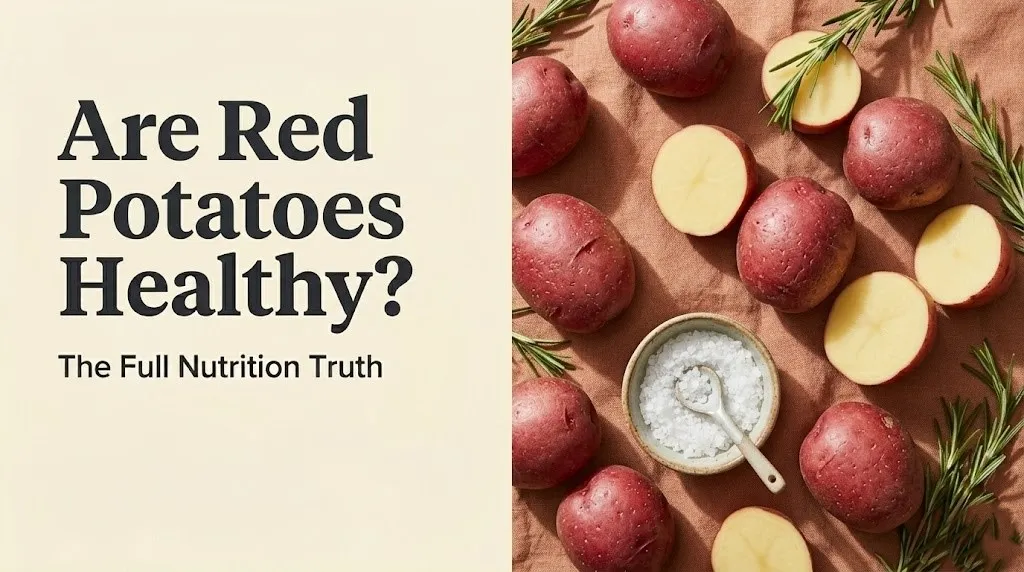
Red potatoes are genuinely healthy, offering a strong nutritional profile that includes potassium, vitamin C, fiber, and several antioxidant compounds. When eaten skin-on and prepared without excess saturated fat, they fit comfortably into a balanced diet for most adults.
The evidence behind red potato nutrition is more compelling than their reputation as “just a starchy carb” suggests. According to USDA FoodData Central, one medium red potato (148 grams, skin-on) delivers 897 milligrams of potassium, which is more than a medium banana. That single figure tells you a lot about what these vegetables actually bring to the table.
This guide covers the full nutritional breakdown, the science behind the health benefits, how red potatoes compare to other potato varieties, practical guidance for anyone managing blood sugar or weight, and exactly how preparation method affects what you get out of each serving.
Are Red Potatoes Healthy?
Red potatoes are healthy vegetables that provide complex carbohydrates, dietary fiber, potassium, vitamin C, and several B vitamins within a relatively modest calorie count. They’re a whole food with a well-documented nutrient profile, not empty calories.
The common misconception is that potatoes in general are bad for you. That framing ignores context entirely. A medium red potato eaten skin-on, boiled or roasted without added butter and heavy cream, delivers nutrients that the Academy of Nutrition and Dietetics identifies as under-consumed in the average American diet: potassium, dietary fiber, and vitamin C.
What separates red potatoes from higher-concern carbohydrate sources is their food form. They’re a minimally processed whole vegetable. The fiber, water content, and micronutrients they contain all influence how the body processes the carbohydrates present in each bite.
One important qualifier: how you prepare them matters. A red potato roasted with olive oil and herbs is a nutritionally different product than one smothered in sour cream and processed cheese. The potato itself is healthy. The question is always what surrounds it.
| Nutrient | Per Medium Red Potato (148g, skin-on) |
|---|---|
| Calories | 130 |
| Carbohydrates | 29g |
| Dietary Fiber | 2.7g |
| Protein | 3.4g |
| Fat | 0.1g |
| Potassium | 897mg |
| Vitamin C | 12.8mg |
| Vitamin B6 | 0.4mg |
Source: USDA FoodData Central
Red Potato Nutrition Facts Per Serving
One medium red potato (148 grams) with skin provides approximately 130 calories, 29 grams of carbohydrates, 3.4 grams of protein, and less than 1 gram of fat. That’s a relatively low-calorie, high-potassium food for its size.
The standard serving that most people actually eat, a side dish of two to three small red potatoes, falls around 200 to 250 calories before any added fat or toppings. That’s worth knowing when planning meals, because portion context changes the picture significantly.
Red potatoes belong to the waxy potato category. This means they have a lower starch and higher moisture content compared to russet-type potatoes. This characteristic affects both texture (they hold their shape when cooked) and how they behave digestively, since their starch structure is more compact and digests somewhat more gradually.
The USDA FoodData Central database also notes that red potatoes contain iron (1.4mg per medium potato), magnesium (39mg), phosphorus (139mg), and folate (30mcg). These aren’t trace amounts. They’re real contributions toward daily targets.
Quick Tip:
- Cook red potatoes skin-on whenever possible to preserve water-soluble vitamins
- Boiling without the skin causes significant vitamin C loss into the cooking water
- A medium red potato counts as one cup of vegetables toward USDA daily vegetable recommendations
Red Potato Calories and Macros
A medium red potato contains 130 calories, with virtually all of those calories coming from carbohydrates. The fat content is negligible at under 0.1 grams, making it one of the leanest starchy vegetables available.
The carbohydrate breakdown matters here. Of the 29 grams of total carbohydrates, approximately 2.7 grams are dietary fiber. The rest is primarily starch, with a small amount of naturally occurring sugars. For comparison, a medium slice of white sandwich bread contains roughly 15 grams of carbohydrates with under 1 gram of fiber, in a package that provides essentially no potassium, vitamin C, or B vitamins.
Think of the carbohydrate quality difference like this: both a red potato and a plain white roll can fuel an afternoon, but one brings meaningful micronutrients along for the ride and the other does not.
The protein content (3.4 grams per medium potato) is modest but real. Red potatoes contain all essential amino acids in small quantities, which is unusual for a vegetable and adds to their overall nutritional standing.
| Macro | Amount (148g, skin-on) | % Daily Value (approx.) |
|---|---|---|
| Calories | 130 kcal | 7% |
| Total Carbohydrates | 29g | 11% |
| Dietary Fiber | 2.7g | 10% |
| Total Sugars | 2g | N/A |
| Protein | 3.4g | 7% |
| Total Fat | 0.1g | <1% |
| Sodium | 14mg | <1% |
Key Takeaway: Red potatoes are a nutrient-dense whole food with a reasonable calorie count, meaningful potassium, and a better fiber-to-carb ratio than most refined starchy foods. The preparation method determines how healthy they actually are by the time they reach your plate.
Red Potato Fiber and Potassium Content
Red potatoes are one of the better whole-food sources of potassium, delivering 897 milligrams per medium skin-on potato, which is roughly 19% of the daily value set by the FDA. The fiber content, at 2.7 grams per medium potato, is largely concentrated in the skin.
Potassium is a mineral that the American Heart Association identifies as essential for maintaining healthy blood pressure. It functions as a physiological counterbalance to sodium: the more dietary potassium you consume, the more efficiently your kidneys can excrete excess sodium. For anyone eating a diet that trends higher in sodium (which describes most adults), consistent potassium intake from whole foods like red potatoes is genuinely useful.
Dietary fiber in red potatoes works by slowing the movement of food through the upper digestive tract, which moderates the rate at which glucose enters the bloodstream. It also feeds the bacterial populations that reside in the colon. A fiber source that comes packaged with vitamins and minerals, as red potatoes do, is more beneficial than isolated fiber supplements that deliver fiber alone.
Red potatoes also contain chlorogenic acid, a polyphenol associated with antioxidant activity in multiple cell-based and animal studies. The research in humans is still developing, but this compound adds to the overall case for red potatoes as a nutritionally substantive food.
- Potassium content: 897mg per medium potato (skin-on)
- Fiber content: 2.7g per medium potato (majority in skin)
- Chlorogenic acid: present in both skin and flesh, higher concentration in skin
- Folate: 30mcg per medium potato (supports cell division, important during pregnancy)
- Iron: 1.4mg per medium potato (contributes to oxygen transport)
Resistant Starch in Red Potatoes
Red potatoes cooked and then cooled to room temperature or refrigerator temperature develop resistant starch, a type of carbohydrate that behaves more like dietary fiber than digestible starch. This process is called retrogradation, and it measurably lowers the glycemic response compared to eating the same potato hot.
A study published in the journal Nutrients confirmed that cooling cooked potatoes increases resistant starch content substantially, with estimates of resistant starch rising from roughly 1 gram to 3 to 4 grams per 100 grams of cooked potato after refrigeration overnight. That shift changes how the body processes the carbohydrates during digestion.
Resistant starch bypasses digestion in the small intestine and travels to the large intestine, where it ferments and produces short-chain fatty acids, particularly butyrate. Butyrate is a fuel source for the cells lining the colon and is the subject of ongoing research for its role in colon health and metabolic function.
This means that a red potato salad served cold, or reheated red potatoes that were first cooked the night before, has a different glycemic footprint than freshly boiled hot potatoes. The total calorie count stays essentially the same. The digestive and blood sugar behavior changes meaningfully.
Quick Tip:
- Cook red potatoes the night before and refrigerate them to maximize resistant starch
- Reheating to moderate temperature preserves most of the resistant starch gained during cooling
- Red potatoes form resistant starch more readily than russet potatoes due to their waxy starch structure
Are Red Potatoes Good for Your Heart?
Red potatoes support cardiovascular health primarily through their potassium content, which helps regulate blood pressure, a major modifiable risk factor for heart disease. The American Heart Association recommends 4,700 milligrams of potassium daily for most adults, and a medium red potato delivers nearly 20% of that target.
The connection between dietary potassium and blood pressure is among the better-established relationships in nutrition science. Higher potassium intake is consistently associated with lower systolic blood pressure in observational studies. One meta-analysis published in the Journal of the American College of Cardiology found that dietary potassium intake from whole foods correlated with reduced stroke risk.
Red potatoes also contribute vitamin C (ascorbic acid), an antioxidant that participates in protecting LDL cholesterol from oxidative modification. Oxidized LDL is a factor in the development of arterial plaque. The 12.8 milligrams per medium potato is not a massive dose, but it adds to overall dietary vitamin C intake across a day.
The fiber content plays a role here too. Soluble fiber, found in small amounts in potato flesh, can bind to bile acids in the digestive tract and reduce LDL cholesterol reabsorption. The effect is modest per serving but cumulative across a diet that consistently includes fiber-rich whole foods.
People managing existing heart disease or taking medications that interact with potassium intake, particularly those on ACE inhibitors or potassium-sparing diuretics, should discuss potato consumption frequency with the clinician overseeing their care, because high potassium intake requires monitoring in those specific situations.
Key Takeaway: The potassium in red potatoes is the single most well-supported cardiovascular benefit. Nearly 900 milligrams per medium potato, skin-on, makes them one of the more potassium-efficient whole foods you can eat regularly.
Red Potatoes vs White Potatoes
Red potatoes and white potatoes have similar calorie counts and macros, but red potatoes have a slightly lower glycemic index and a thinner edible skin that contributes more fiber and antioxidants per serving when eaten whole. The practical differences are meaningful but not dramatic.
The comparison most people actually care about comes down to three things: calories, carbohydrates, and how they affect blood sugar. Here’s how they stack up per 100 grams, cooked, skin-on:
| Nutrient (per 100g cooked) | Red Potato | White Potato |
|---|---|---|
| Calories | 88 | 87 |
| Carbohydrates | 20g | 20g |
| Dietary Fiber | 1.8g | 1.8g |
| Potassium | 535mg | 379mg |
| Vitamin C | 8.6mg | 7.4mg |
| Glycemic Index (approx.) | 54 | 82 |
Sources: USDA FoodData Central; glycemic index values from University of Sydney GI database
The potassium gap is the most notable difference. Red potatoes contain roughly 41% more potassium per 100 grams than white potatoes. The glycemic index difference is also worth attention, particularly for anyone managing blood sugar. A glycemic index of 54 for boiled red potatoes sits in the moderate range, while white potato preparations often fall in the higher range depending on cooking method.
For everyday cooking, red potatoes hold their shape better when boiled or roasted. This makes them a natural choice for salads, soups, and roasted side dishes where texture matters.
Are Baby Red Potatoes Healthy?
Baby red potatoes are healthy and nutritionally comparable to full-sized red potatoes, with one practical advantage: their small size means you eat the skin in every bite, which maximizes fiber and antioxidant intake per calorie. They’re a genuine whole-food option, not a nutritionally inferior miniature version.
The “baby” designation refers to size, not a different variety. These are red potatoes (Solanum tuberosum) harvested early. Because they’re smaller, the skin-to-flesh ratio is higher. This matters because, as discussed earlier, the skin is where the fiber concentration and polyphenol density is highest.
A typical serving of baby red potatoes is five to six pieces (about 148 to 160 grams), which puts the calorie count and macros roughly in line with a single medium red potato. The key practical difference is portion awareness: it’s easier to underestimate how much you’ve eaten when you’re eating six small potatoes versus one large one.
One note for people who prefer not to eat potato skins: baby red potatoes are not an ideal fit, since peeling them is impractical and would remove much of their nutritional advantage. For those avoiding nightshades due to sensitivity, baby red potatoes carry the same Solanaceae family considerations as all potato varieties.
Quick Tip:
- Steam or roast baby red potatoes whole to preserve maximum nutrients
- Halving them before roasting increases surface area for caramelization without peeling
- A serving of five to six baby red potatoes is nutritionally equivalent to one medium red potato
Red Potato Skin Benefits
The skin of a red potato contains the highest concentration of dietary fiber, potassium, iron, B vitamins, and antioxidant polyphenols in the entire vegetable. Removing the skin before eating reduces the nutritional value of every serving meaningfully.
According to USDA FoodData Central data comparing skin-on versus skinless preparations, the skin-on red potato contains roughly 50% more dietary fiber than a peeled potato of the same size. The potassium difference is also notable: peeled preparation reduces potassium content by approximately 20 to 25%.
The red color of the skin comes partly from anthocyanins, a class of flavonoid pigment with antioxidant properties. Research published in the Journal of Agricultural and Food Chemistry identified red potato skin as a source of chlorogenic acid and flavonoids, compounds that have been studied for their potential role in reducing oxidative stress in cell models.
The skin is also where most of the iron in red potatoes concentrates. Iron from plant sources (non-heme iron) is less bioavailable than iron from animal sources, but pairing it with vitamin C, which is also present in red potatoes, improves absorption. The skin and flesh work together in a way that supports each other nutritionally.
Safety note: always scrub red potato skins thoroughly under running water before cooking. Look for any green areas on the skin or flesh, which indicate elevated solanine, a naturally occurring glycoalkaloid that can cause gastrointestinal upset. Trim and discard any green portions; do not eat them.
Key Takeaway: Leaving the skin on a red potato is the single most impactful choice you can make to increase the nutritional return from that meal. Half the fiber and a significant share of the antioxidants leave with the peel.
Red Potato Glycemic Index and Blood Sugar
Boiled red potatoes have a glycemic index (GI) of approximately 54, which places them in the moderate GI category, below most white bread, white rice, and russet potato preparations. The glycemic load per serving, which factors in portion size, is roughly 13 to 16 for a standard serving.
Understanding the difference between glycemic index and glycemic load is useful here. Think of the GI as the speed rating of a food’s sugar release, measured in isolation. Glycemic load adjusts that rating based on realistic portion size. A food can have a high GI but a low glycemic load if you’re eating a small portion of it. Red potatoes in a reasonable serving (one to two medium potatoes) produce a moderate glycemic load, which is manageable for most people without blood sugar concerns.
Cooking method shifts the GI considerably. Boiled red potatoes have a lower GI than baked or roasted ones because the moist heat cooking process preserves a more compact starch structure. The American Diabetes Association notes that cooking method, cooling, and what you eat a potato with (protein, fat, fiber from other foods in the same meal) all influence the overall blood sugar response.
Adding a protein source like grilled chicken or beans, or a healthy fat like olive oil, to a meal containing red potatoes flattens the blood glucose curve further. The potato doesn’t raise blood sugar in isolation the way it would eaten alone.
| Cooking Method | Approximate Glycemic Index | Blood Sugar Impact |
|---|---|---|
| Boiled, cooled (potato salad) | 35 to 45 | Lower |
| Boiled, served hot | 54 | Moderate |
| Roasted | 60 to 70 | Moderate-Higher |
| Microwaved | 65 to 72 | Higher |
| Mashed (with added fat) | 70 to 80 | Higher |
Approximate values based on University of Sydney GI database and published glycemic index research
Are Red Potatoes Good for Weight Loss?
Red potatoes can be part of a weight management diet because they are relatively low in calories, contain fiber and protein that promote satiety, and have a high water content that adds volume without adding calories. They are not inherently fattening.
A boiled or roasted red potato registers high on the Satiety Index, a scale developed by researchers at the University of Sydney to measure how filling different foods are per calorie. Potatoes ranked highest of all foods tested in that 1995 study by Holt and colleagues. That finding has been referenced repeatedly in satiety research since. High satiety per calorie is exactly what makes a food useful for weight management.
The challenge with red potatoes in weight management contexts is preparation. A potato roasted with two tablespoons of olive oil adds approximately 240 extra calories to what was a 130-calorie food. Butter, sour cream, and processed cheese toppings can double or triple the calorie count of the potato itself. The potato is not the problem; the additions often are.
A practical approach: roast red potatoes with a light coating of olive oil (one teaspoon per serving rather than a pour), season generously with herbs and spices, and pair with a lean protein. This approach keeps the total meal calorie density reasonable while maximizing the satiety the potato itself provides.
- Satiety value: High relative to calorie content
- Water content: Approximately 75% by weight, contributing volume
- Fiber content: 2.7g per medium potato, supports fullness
- Calorie density: Low (approximately 0.88 calories per gram)
- Caution: Preparation method can multiply calorie content significantly
Are Red Potatoes Good for Diabetics?
Red potatoes can fit into a diabetes management diet when eaten in controlled portions, prepared with lower-GI cooking methods, and paired with protein and fiber from other foods in the same meal. They are not off-limits for most people with type 2 diabetes, but portion size and preparation method require more attention than for people without blood sugar concerns.
The American Diabetes Association classifies starchy vegetables, including potatoes, as foods to enjoy while being mindful of quantity. The organization recommends thinking of starchy foods as “plate occupants” that ideally fill no more than one quarter of the plate, with the remainder split between non-starchy vegetables and protein.
For someone managing blood sugar, the cooling technique described in the resistant starch section is practically relevant. Eating red potatoes that were cooked and refrigerated overnight, then eaten cold or gently reheated, produces a lower blood glucose spike than eating the same potatoes hot off the stove. This is not a theoretical benefit; it’s a measurable difference in glycemic response.
The glycemic index of approximately 54 for boiled red potatoes compares favorably to many common carbohydrate sources. White rice has a GI of roughly 72. White bread sits around 70 to 75. On the glycemic index scale, boiled red potatoes are a more moderate option than many alternatives.
Anyone with type 1 or type 2 diabetes, or gestational diabetes, managing carbohydrate intake carefully should work with a registered dietitian to determine appropriate potato portion sizes within their individual meal plan, because carbohydrate tolerance varies based on medication type, insulin sensitivity, and overall dietary pattern.
Key Takeaway: Red potatoes are not a blood sugar enemy for most people. The combination of moderate GI, resistant starch potential (when cooled), and high satiety per calorie makes them a more diet-compatible starchy food than their “carb” reputation suggests.
How to Cook Red Potatoes for Maximum Nutrition
Boiling red potatoes skin-on in minimal water and eating them immediately preserves the highest proportion of heat-sensitive vitamins, particularly vitamin C and folate, while avoiding the calorie additions that come with frying or heavy fat-based roasting. Cooking method is the single biggest variable you control.
The key principle is minimizing nutrient loss while avoiding calorie-dense additions. Water-soluble vitamins (vitamin C and the B vitamins) leach into cooking water when potatoes are boiled without their skins. They’re also degraded by prolonged heat exposure.
To cook red potatoes for the best nutritional outcome:
- Scrub skins thoroughly under cold running water, inspecting for green areas to remove.
- Leave skins fully intact. Do not peel.
- Cut into uniform pieces no smaller than 1.5 inches to reduce surface area exposed to water or heat.
- For boiling: add to cold water, bring to a boil, cook for 12 to 15 minutes until tender when pierced with a fork.
- For roasting: toss with 1 teaspoon of olive oil per medium potato, season with herbs, and roast at 400°F (204°C) for 25 to 30 minutes, turning once.
- For maximum resistant starch: refrigerate cooked potatoes for at least 8 hours before serving cold or gently reheating.
- Serve without heavy cream sauces, excessive butter, or high-sodium processed toppings.
| Cooking Method | Vitamin C Retention | Resistant Starch | Added Calories | Overall Recommendation |
|---|---|---|---|---|
| Boiling (skin-on) | High | Low (unless cooled) | None | Best for nutrient retention |
| Roasting (light oil) | Moderate | Low | 40 to 120 kcal | Good for flavor, moderate nutrition |
| Steaming | High | Low | None | Excellent, underused method |
| Microwaving | Moderate-High | Low | None | Efficient, acceptable |
| Deep frying | Low | Very low | 150+ kcal | Least recommended |
| Boiling, then cooling | High | High | None | Best for blood sugar management |
Are Boiled or Roasted Red Potatoes Healthier?
Boiled red potatoes retain more water-soluble vitamins and add zero calories from cooking fat, making them the higher-nutrient option per calorie compared to roasted versions. Roasting produces better resistant starch potential if the potatoes are allowed to cool, and adds flavor compounds that may make them more satisfying at a smaller portion.
The honest answer is: it depends on your specific priority. If vitamin retention per calorie is the goal, boiling wins. If you’re cooking for someone who needs the satisfaction of a more flavorful preparation to stay consistent with a healthy diet, roasting with a light hand of olive oil is a very reasonable choice.
Steaming is the undersung third option. It matches boiling for vitamin retention but produces a slightly firmer texture that many people find more pleasant. It’s the cooking method nutritionists often recommend for vegetables in general and applies equally well to red potatoes.
The one clear loser in the preparation hierarchy is deep frying. A medium red potato fried adds roughly 130 to 200 extra calories from absorbed oil, drops the vitamin C and B vitamin content due to high heat, and eliminates most of the resistant starch potential. The nutritional case for deep-frying potatoes is thin regardless of the potato variety.
For most people eating red potatoes as a regular part of their diet, rotating between boiling and roasting is entirely reasonable. The differences are real but not so large that one method makes red potatoes “healthy” while another makes them “unhealthy.”
Who Should Be Cautious About Eating Red Potatoes
Most adults can eat red potatoes regularly without concern, but people with chronic kidney disease, nightshade sensitivity, or a need to closely manage carbohydrate intake should be mindful of portion size or preparation approach. No single whole food is universally problematic, but individual health context matters.
The groups most relevant to flag:
- Chronic kidney disease (CKD): Red potatoes are high in potassium (897mg per medium potato). People with impaired kidney function cannot excrete excess potassium efficiently. Elevated blood potassium (hyperkalemia) is a serious medical concern in CKD. Leaching, which involves peeling, cutting, and soaking potatoes in water for two or more hours before cooking, reduces potassium content measurably. Anyone with diagnosed CKD should confirm potato intake and preparation methods with the renal dietitian managing their care.
- Nightshade sensitivity: Red potatoes belong to the Solanaceae family. A small subset of people, particularly some with autoimmune inflammatory conditions, report symptom changes related to nightshade consumption. The research base for nightshade avoidance in autoimmune conditions is limited and not conclusive, but it’s relevant context for someone already managing a nightshade-related sensitivity.
- Solanine concern: Green patches on potato skin or flesh indicate the presence of solanine, a glycoalkaloid that causes nausea, vomiting, and abdominal cramps in sufficient quantities. Always trim and discard green areas completely. Storing potatoes in a cool, dark place prevents solanine development.
- People managing carbohydrate-restricted diets: A medium red potato contains approximately 29 grams of carbohydrates. On a strict low-carbohydrate or ketogenic eating plan with a target of 20 to 50 grams of carbohydrates daily, a single potato can account for more than half of daily carbohydrate allowance.
- Children and seniors: Red potatoes are appropriate for all ages, but portion sizes should reflect individual caloric needs.
Key Takeaway: Red potatoes are a genuine whole food that works well in most diets. The handful of people who need to be thoughtful about them, primarily those with kidney disease or strict carbohydrate targets, can often find preparation or portion adjustments that let them stay in the meal plan.
Frequently Asked Questions About Red Potatoes
Are red potatoes healthier than white potatoes?
Red potatoes contain approximately 41% more potassium per 100 grams and have a lower glycemic index than most white potato preparations.
Both provide similar calories, carbohydrates, and fiber.
For everyday nutrition, red potatoes have a modest advantage, particularly for cardiovascular health and blood sugar management.
How many red potatoes can I eat in a day?
One to two medium red potatoes (148 to 296 grams total) per day is a reasonable amount for most healthy adults within a balanced diet.
The USDA Dietary Guidelines for Americans recommend that starchy vegetables not displace non-starchy vegetables in overall vegetable intake.
Portion size should reflect your total daily carbohydrate needs, activity level, and any specific dietary targets you’re managing.
Are red potatoes good for you if you have diabetes?
Red potatoes can be included in a diabetes management diet in controlled portions, particularly when prepared by boiling and then cooling to increase resistant starch.
The American Diabetes Association recommends starchy vegetables occupy no more than one quarter of the plate, paired with protein and non-starchy vegetables.
A registered dietitian can help determine the specific portion that fits your individual carbohydrate management plan.
Is it better to eat red potatoes with or without the skin?
Eating red potatoes with the skin on significantly increases your fiber, potassium, iron, and antioxidant intake per serving.
USDA data shows skin-on red potatoes contain approximately 50% more dietary fiber than peeled ones.
Unless you have a specific reason to peel them, skin-on preparation is always the nutritionally stronger choice.
Are baby red potatoes healthier than regular red potatoes?
Baby red potatoes are nutritionally equivalent to full-sized red potatoes, with no meaningful difference in calories, macros, or micronutrients per gram.
Their main practical advantage is a higher skin-to-flesh ratio, which means more fiber and antioxidants per calorie when eaten whole.
The serving size difference, five to six baby potatoes versus one medium potato, carries the same approximate nutritional profile.
Closing
Red potatoes hold up well under nutritional scrutiny. They’re a whole food with real potassium, meaningful fiber, useful amounts of vitamin C and B vitamins, and a glycemic profile that’s more moderate than their “starchy carb” reputation implies.
The most practical thing you can do is keep the skin on and choose your cooking method intentionally. Boil them skin-on, or roast them lightly, and you’re working with one of the more nutritionally complete starchy side dishes available.
If you eat them regularly, the cooling trick is worth trying. Cook a batch, refrigerate overnight, and use them for a cold potato salad or gently reheated the next morning. The resistant starch benefit is real and costs you nothing extra.