The best skin foods are those that deliver the specific nutrients your skin cells need to build structure, fight oxidative damage, regulate oil production, and maintain hydration. Fatty fish, colorful vegetables, seeds, and certain fruits consistently top the evidence-based list because their nutrient profiles directly support how skin tissue functions from the inside out.
Skin is the body’s largest organ, and what feeds it matters. According to the American Academy of Dermatology, diet is among the modifiable lifestyle factors with a documented relationship to skin conditions including acne, premature aging, and chronic dryness. The connection between food and skin appearance is not a wellness trend. It is established physiology.
This guide breaks down each category of skin-supportive food, the specific nutrients involved, how those nutrients work in the body, and which skin concerns each food addresses most directly. You’ll also find practical guidance on how much to eat, what to watch out for, and which foods actively work against the skin you’re trying to build.
What Is the Best Skin Food?
No single food wins the title of best skin food on its own. Salmon (Salmo salar) comes closest to a consensus choice among nutrition researchers because it delivers omega-3 fatty acids, astaxanthin, vitamin D, and high-quality protein in a single serving.
That said, what “best” means depends on your skin’s primary concern. Someone dealing with dry, flaky skin needs different nutritional support than someone managing acne breakouts or uneven tone. The most effective approach builds a pattern of eating rather than fixating on one ingredient.
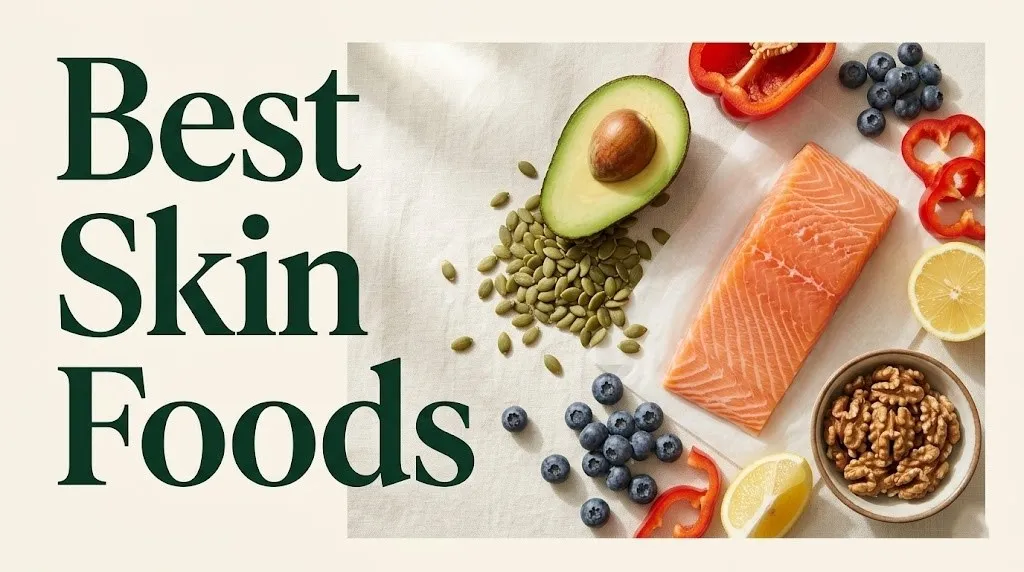
Foods that consistently appear across the dermatology and nutrition research literature share a few common traits. They are rich in antioxidants, anti-inflammatory fatty acids, collagen-building cofactors, or skin barrier-supporting vitamins.
| Food | Primary Skin Nutrient | Main Skin Benefit |
|---|---|---|
| Salmon | EPA, DHA, astaxanthin | Reduces inflammation, supports barrier |
| Sweet potato | Beta-carotene (provitamin A) | Cell turnover, UV defense |
| Avocado | Tocopherol (vitamin E), lutein | Hydration, photoprotection |
| Blueberries | Anthocyanins, vitamin C | Antioxidant protection, collagen support |
| Walnuts | ALA, zinc, vitamin E | Oil balance, anti-inflammatory |
| Tomatoes | Lycopene | UV damage protection |
| Spinach | Vitamin C, iron, lutein | Collagen synthesis, oxygen delivery |
Start with variety across these categories rather than eating any one food in large quantities.
Does Diet Affect Skin Health?
Diet directly affects skin health through multiple biological pathways, including collagen synthesis, sebum regulation, inflammatory signaling, and cellular oxidative stress. The relationship is not theoretical.
A review published in the journal Nutrients examined dietary patterns and skin aging across multiple human cohort studies. It found that higher consumption of vegetables, fish, olive oil, and legumes was associated with less severe skin wrinkling and better skin hydration in older adults. Diets high in refined carbohydrates and saturated fat showed the opposite pattern.
The mechanism works at the cellular level. Keratinocytes (the cells that form the outer skin layer) and dermal fibroblasts (which produce collagen and elastin) require specific micronutrients to function properly. Without adequate zinc, vitamin C (ascorbic acid), and vitamin A (retinol precursors), those cells produce less collagen, turn over more slowly, and show greater vulnerability to UV-induced oxidative stress.
Glycemic load also matters. According to Harvard T.H. Chan School of Public Health, high-glycemic diets increase circulating insulin and insulin-like growth factor 1 (IGF-1), both of which stimulate sebum production and promote keratinocyte overgrowth. These are two of the primary mechanisms behind acne formation in adults.
People with existing inflammatory skin conditions such as psoriasis or rosacea should be aware that food choices can modulate flare frequency, though they are not a replacement for prescribed medical treatment. If a condition is severe or significantly worsening, a registered dietitian working alongside a dermatologist offers the most targeted guidance.
What Food Makes Your Skin Clear?
Foods that make skin clearer tend to be low on the glycemic index, high in zinc and antioxidants, and low in refined sugar and inflammatory oils. Green leafy vegetables, fatty fish, and legumes are among the most well-supported choices.
Skin clarity is largely a function of three things: sebum regulation, inflammation levels, and the speed at which dead skin cells are shed. Nutrients from food influence all three.
Zinc (found in pumpkin seeds, beef, and chickpeas) is particularly well-studied for skin clarity. A meta-analysis published in the Journal of the American Academy of Dermatology found that zinc supplementation reduced acne lesion counts in clinical trials, supporting the role of dietary zinc in sebum regulation and bacterial control on skin.
Foods that reliably support clearer skin include:
- Pumpkin seeds: One ounce (28g) provides approximately 2.2mg of zinc, roughly 20% of the daily value for adults.
- Chickpeas (Cicer arietinum): High in zinc and protein; their low glycemic index reduces IGF-1 spikes.
- Leafy greens: Rich in vitamin C (ascorbic acid) and iron, both needed for healthy skin cell oxygenation and collagen scaffolding.
- Fermented foods: Yogurt, kefir, and kimchi contain live cultures that support the gut-skin axis, a term researchers use to describe how intestinal microbiome balance influences skin inflammatory responses.
- Green tea (Camellia sinensis): Contains epigallocatechin gallate (EGCG), a polyphenol shown in clinical research to reduce sebum production and decrease acne-related inflammation.
For those who are lactose intolerant, dairy-based fermented options like yogurt may be replaced with non-dairy fermented alternatives such as coconut kefir or kimchi.
Key Takeaway: The foods most consistently linked to clearer skin are low-glycemic, zinc-rich, and anti-inflammatory. No single food clears skin overnight, but a diet built around leafy greens, fatty fish, fermented foods, and seeds creates the conditions where skin can regulate itself more effectively.
Foods Rich in Vitamin C for Skin
Vitamin C (ascorbic acid) is the most direct dietary contributor to collagen synthesis, making it one of the most researched nutrients for skin health. The body cannot produce vitamin C on its own, so every milligram must come from food.
Collagen is the structural protein that gives skin its firmness and elasticity. Ascorbic acid is a required cofactor for two enzymes (prolyl hydroxylase and lysyl hydroxylase) that stabilize collagen’s triple-helix structure. Without adequate vitamin C, collagen fibers are weaker and more prone to breakdown.
According to the NIH Office of Dietary Supplements, the recommended dietary allowance (RDA) for vitamin C is 75mg per day for adult women and 90mg per day for adult men, with smokers requiring an additional 35mg per day due to accelerated oxidative depletion.
| Food | Serving Size | Vitamin C Content |
|---|---|---|
| Red bell pepper (raw) | 1 medium (119g) | 152mg |
| Kiwi fruit | 1 medium (69g) | 64mg |
| Strawberries | 1 cup (152g) | 89mg |
| Broccoli (Brassica oleracea var. italica), cooked | 1 cup (156g) | 101mg |
| Orange | 1 medium (131g) | 70mg |
| Papaya | 1 cup cubed (145g) | 88mg |
Cooking at high temperatures degrades ascorbic acid. Steaming broccoli preserves more vitamin C than boiling. Eating raw bell peppers or fresh strawberries gives the highest yield per gram.
People with iron-absorption issues (such as those managing iron-deficiency anemia) should note that vitamin C consumed alongside plant-based iron sources significantly improves non-heme iron absorption. A spinach salad with a squeeze of lemon is not just tasty; it’s a studied nutritional pairing.
Omega-3 Foods for Skin Health
Omega-3 fatty acids, specifically eicosapentaenoic acid (EPA) and docosahexaenoic acid (DHA), are among the most well-documented dietary compounds for reducing skin inflammation and strengthening the skin’s lipid barrier. They are found primarily in fatty fish and some plant-based seeds.
Think of the skin barrier like a brick wall. The “bricks” are skin cells. The “mortar” holding them together is largely made up of fatty acids, ceramides, and cholesterol. When dietary fat intake is poor in omega-3s, the mortar weakens. Water escapes more easily. Irritants penetrate more readily. Skin becomes drier, more reactive, and more prone to redness.
A clinical trial published in the American Journal of Clinical Nutrition found that dietary supplementation with EPA reduced UV-induced skin redness (erythema) in human participants, supporting omega-3’s role in photoprotection at the cellular level. This is a measurable, observable effect, not a theoretical claim.
Top omega-3 food sources for skin:
- Salmon (Salmo salar): 3.5 oz (100g) cooked provides approximately 2.2g of combined EPA and DHA.
- Mackerel (Scomber scombrus): Similar omega-3 profile to salmon; often more affordable.
- Sardines (Sardina pilchardus): Canned in water provides approximately 1.5g EPA+DHA per 3.5 oz serving.
- Walnuts (Juglans regia): Provide alpha-linolenic acid (ALA), the plant form of omega-3, at approximately 2.5g per 1 oz serving. The body converts ALA to EPA and DHA at a low rate (under 10%), so plant sources are supplementary rather than equivalent to fish.
- Flaxseed (Linum usitatissimum): Ground flaxseed provides approximately 2.4g ALA per tablespoon.
- Chia seeds (Salvia hispanica): One ounce provides approximately 5g ALA.
For strict vegans who rely entirely on plant sources, algae-based DHA supplements derived from microalgae (the same source fish consume) offer a direct long-chain omega-3 option without animal products.
People taking blood-thinning medications such as warfarin should discuss high fish intake with their prescribing physician, as EPA and DHA have mild anticoagulant properties at high doses.
Key Takeaway: Omega-3 fatty acids from fatty fish are among the most directly skin-supportive nutrients the diet can provide. Two to three servings of fatty fish per week aligns with the American Heart Association’s general intake recommendation and delivers a meaningful dose for skin barrier support.
Collagen-Boosting Foods
No food contains intact collagen that transfers directly to your skin. What food can do is supply the raw materials your body uses to build collagen: amino acids, particularly glycine, proline, and hydroxyproline, along with the cofactor nutrients needed to assemble them.
Collagen synthesis is a multi-step process requiring vitamin C (discussed above), zinc, copper, and manganese alongside the amino acid building blocks. If any one of these is insufficient, collagen production slows.
Foods that supply collagen-relevant amino acids include:
- Bone broth: Prolonged simmering of bones extracts gelatin (hydrolyzed collagen), which provides glycine and proline. Research on bone broth’s direct skin effects is preliminary, but its amino acid profile is consistent with collagen precursor needs.
- Egg whites: Rich in proline, a key structural amino acid in collagen’s triple-helix formation.
- Chicken (Gallus domesticus): High in glycine and proline per serving; skin-on chicken provides additional collagen-adjacent proteins.
- Fish: Marine collagen peptides from fish skin are among the most bioavailable forms studied. A 2019 review in the Journal of Cosmetic Dermatology examined 11 randomized controlled trials and found that oral collagen peptide supplementation (ranging from 2.5g to 10g per day) showed statistically significant improvements in skin elasticity and hydration versus placebo.
| Collagen Cofactor | Function | Best Food Source |
|---|---|---|
| Vitamin C (ascorbic acid) | Enzyme activation for triple-helix formation | Bell peppers, kiwi, broccoli |
| Zinc | Cell proliferation and repair signaling | Pumpkin seeds, beef, chickpeas |
| Copper | Cross-linking of collagen and elastin fibers | Liver, shellfish, sesame seeds |
| Manganese | Proline enzyme activation | Whole grains, legumes, leafy greens |
| Glycine | Primary structural amino acid | Bone broth, chicken, egg whites |
Vegetarians and vegans can cover most collagen cofactors through plant-based sources. The key gap is glycine density, which is lower in most plant proteins than in animal sources. Legume-grain combinations and concentrated seeds help partially bridge this.
Foods High in Antioxidants for Skin
Antioxidant-rich foods protect skin by neutralizing free radicals, unstable molecules generated by UV exposure, pollution, and normal metabolic processes. Free radical accumulation causes oxidative stress, which damages collagen fibers, accelerates visible aging, and impairs skin cell repair.
Think of antioxidants like a security detail for your cells. Every time UV light hits your skin or you breathe in particulate matter, free radicals form. Antioxidants from food intercept them before they damage DNA and collagen.
The most skin-relevant dietary antioxidants include:
- Lycopene: Found in tomatoes (Solanum lycopersicum), watermelon, and pink grapefruit. Lycopene is a carotenoid that concentrates in skin tissue and has demonstrated UV-protective effects in human studies. Cooked tomatoes (tomato paste, sauce) release more bioavailable lycopene than raw.
- Anthocyanins: The blue-red pigments in blueberries (Vaccinium corymbosum), blackberries, and red cabbage. Research in the Nutrients journal has linked high anthocyanin intake to reduced markers of oxidative stress in skin tissue.
- Resveratrol: Present in red grapes and dark chocolate (Theobroma cacao, minimum 70% cacao). Has demonstrated anti-inflammatory activity in laboratory models of skin aging.
- EGCG (Epigallocatechin gallate): The dominant polyphenol in green tea (Camellia sinensis). Topical and dietary EGCG has been studied for reducing UV-induced inflammation and sebum oxidation.
- Tocopherols (Vitamin E): Present in almonds, sunflower seeds, and avocados. Work synergistically with vitamin C; each regenerates the other after neutralizing a free radical.
According to the USDA Dietary Guidelines for Americans 2020-2025, a diet rich in a variety of colorful fruits and vegetables (at minimum 2.5 cups of vegetables and 2 cups of fruit per day for most adults) provides overlapping antioxidant coverage across multiple pathways.
People with nightshade sensitivities (a subset of individuals managing rheumatoid arthritis or certain autoimmune conditions) may react to lycopene-rich nightshade vegetables like tomatoes. Individual tolerance varies and is worth tracking personally.
Key Takeaway: Antioxidant diversity matters more than any single compound. A plate that cycles through red, orange, blue, and dark green produce across the week covers more free-radical neutralization pathways than eating the same food daily.
Foods That Reduce Skin Inflammation
Chronic low-grade inflammation is the underlying driver behind acne, rosacea, eczema flares, and accelerated visible aging. Certain foods actively downregulate the inflammatory signaling pathways that worsen these conditions.
The dietary pattern with the strongest anti-inflammatory evidence base is the Mediterranean diet, which centers on olive oil, fatty fish, legumes, whole grains, and abundant vegetables. A large cohort study published in the British Journal of Nutrition found that adherence to a Mediterranean dietary pattern was inversely associated with systemic inflammatory markers, including C-reactive protein (CRP), a key indicator of whole-body inflammation.
For skin specifically, the most practical anti-inflammatory additions are:
- Turmeric (Curcuma longa): Contains curcumin, a polyphenol with well-documented NF-kB inhibitory activity, meaning it directly interferes with a key inflammatory signaling molecule. Absorption increases substantially when combined with black pepper (which contains piperine).
- Extra-virgin olive oil: Rich in oleocanthal, a compound with ibuprofen-like COX-inhibitory activity. Studies suggest approximately 50ml per day is the intake level associated with anti-inflammatory effects.
- Ginger (Zingiber officinale): Contains gingerols and shogaols, which inhibit prostaglandin synthesis pathways involved in inflammatory responses.
- Fatty fish: EPA from fish oil reduces the production of leukotriene B4 (LTB4), an inflammatory compound heavily implicated in acne pathogenesis.
| Anti-Inflammatory Food | Active Compound | Mechanism |
|---|---|---|
| Turmeric | Curcumin | NF-kB pathway inhibition |
| Olive oil | Oleocanthal | COX-1 and COX-2 inhibition |
| Fatty fish | EPA | Leukotriene B4 reduction |
| Ginger | Gingerols | Prostaglandin synthesis inhibition |
| Blueberries | Anthocyanins | Oxidative stress reduction |
Those managing Crohn’s disease, IBS, or other inflammatory bowel conditions should work with a registered dietitian when making significant dietary shifts, as gut inflammation and skin inflammation can be inter-related and individual responses to high-fiber or fermented foods vary.
Foods for Skin Elasticity
Skin elasticity, the ability of skin to snap back after stretching, depends primarily on elastin and collagen fiber integrity. Both degrade with age, UV exposure, and nutritional insufficiency. Diet can slow this degradation.
Elastin production peaks in childhood and adolescence. After that, the body repairs existing elastin but produces very little new elastin. This makes preservation, not replacement, the dietary goal for adults.
The key nutrients for protecting and supporting elastin function include:
- Copper: Essential for an enzyme called lysyl oxidase, which cross-links elastin and collagen fibers to give them structural strength. Found in liver, shellfish, sesame seeds, cashews, and dark chocolate.
- Selenium (Se): A trace mineral and antioxidant cofactor that protects elastin fibers from oxidative degradation. A 1 oz serving of Brazil nuts (Bertholletia excelsa) provides approximately 544mcg of selenium, nearly 10 times the adult RDA of 55mcg. Eating 1 to 2 Brazil nuts per day is sufficient; excess selenium intake can cause selenosis. Do not eat handfuls.
- Vitamin A (from retinol precursors like beta-carotene): Supports the activity of fibroblasts, the cells responsible for maintaining elastin and collagen scaffolding in the dermis.
- Silica: Found in oats, barley, and bananas. Silica supports connective tissue integrity. Research on its specific role in skin elasticity is preliminary but consistent with its broader connective tissue function.
A practical daily routine for elasticity support might look like: one Brazil nut, a portion of leafy greens, half an avocado, and a tablespoon of sesame seeds across meals. That single combination delivers copper, selenium, tocopherol, and beta-carotene in quantities that meet or approach daily targets for each.
People with Wilson’s disease (a copper metabolism disorder) should avoid high-copper foods without medical guidance.
Key Takeaway: Protecting skin elasticity through diet is less about adding miracle ingredients and more about consistently covering the trace minerals (copper, selenium, zinc) and vitamin A that fibroblasts need to maintain the skin’s connective tissue scaffold.
Best Foods for Dry Skin
Dry skin is most often a barrier dysfunction: the skin’s lipid layer is not retaining moisture effectively. The best foods for dry skin are those that directly supply or support the lipid compounds in the skin barrier.
Transepidermal water loss (TEWL) is the technical term for moisture escaping through a compromised skin barrier. High TEWL produces the tight, flaky, uncomfortable feeling of chronically dry skin. Dietary fats, particularly omega-3s and oleic acid, contribute to the ceramide and phospholipid content of this barrier.
Top foods for addressing dry skin through diet:
- Avocado (Persea americana): Half an avocado provides approximately 10.5g of monounsaturated fat (primarily oleic acid) and 3.5mg of tocopherol (vitamin E). Both contribute to skin lipid barrier maintenance and intracellular moisture retention.
- Fatty fish: EPA and DHA reduce TEWL by maintaining membrane fluidity in keratinocytes.
- Sunflower seeds (Helianthus annuus): A 1 oz serving provides approximately 7.4mg of vitamin E (tocopherol), nearly 50% of the adult daily value, making them one of the most concentrated dietary sources.
- Whole milk and full-fat yogurt: For those who consume dairy, the fat content provides the cholesterol and fatty acid precursors used in skin ceramide synthesis.
- Cucumber and watermelon: High water content foods contribute to overall hydration, which supports skin turgidity, though dietary water intake is secondary to adequate overall fluid consumption.
| Food | Key Nutrient for Dry Skin | Amount per Standard Serving |
|---|---|---|
| Sunflower seeds | Vitamin E (tocopherol) | 7.4mg per 1 oz |
| Avocado | Oleic acid, vitamin E | 10.5g fat, 3.5mg vitamin E per half |
| Salmon | EPA + DHA | 2.2g per 3.5 oz |
| Whole milk yogurt | Saturated fat (ceramide precursors) | 8g fat per 1 cup |
| Flaxseed | ALA | 2.4g per 1 tbsp ground |
Anyone with nut or seed allergies should note that sunflower seeds are tree-nut-free but are processed in facilities that may handle tree nuts. Check packaging for cross-contamination warnings if this is a concern.
Foods for Acne-Prone Skin
The foods most likely to reduce acne frequency and severity are low-glycemic, dairy-moderated, zinc-rich, and omega-3-forward. The primary dietary mechanisms behind acne are sebum overproduction and follicular inflammation, both influenced by what you eat.
The glycemic index (GI) link to acne is one of the more robustly studied dietary connections in dermatology. A randomized controlled trial published in the American Journal of Clinical Nutrition found that participants following a low-glycemic-load diet (avoiding white bread, refined cereals, sugary drinks, and white rice) experienced a significant reduction in acne lesion counts after 12 weeks compared to a control group on a high-glycemic diet.
Foods that research most consistently supports for reducing acne:
- Low-GI carbohydrates: Legumes (GI 20-30), most vegetables, steel-cut oats (GI approximately 55), and whole grain bread (GI 50-65) versus white bread (GI 70-75).
- Zinc-rich foods: Zinc inhibits the growth of Cutibacterium acnes (the bacterium involved in inflammatory acne) and reduces sebaceous gland activity. Oysters top the zinc charts at approximately 32mg per 3 oz serving, far exceeding any plant source.
- Fatty fish: EPA’s anti-leukotriene activity directly counteracts one of the inflammatory steps in acne lesion formation.
- Green tea: EGCG has demonstrated sebum-reducing effects in small human trials at intakes of 2 to 3 cups per day.
Foods commonly associated with acne exacerbation in susceptible individuals include high-GI foods, skim milk (which has a higher GI and different hormonal compound profile than whole milk), whey protein supplements, and high-sugar foods. Individual responses vary. Some people show no skin change with dairy; others see rapid worsening. Tracking intake and skin response over 3 to 4 weeks gives the clearest personal signal.
People with polycystic ovary syndrome (PCOS), which often presents with adult acne, may benefit from a registered dietitian’s support, as the hormonal-dietary relationship in PCOS is more complex than general acne dietary guidance covers.
Foods for Hyperpigmentation
Hyperpigmentation occurs when melanin production becomes uneven, producing dark spots, melasma patches, or post-inflammatory marks after acne. Diet cannot directly bleach existing pigmentation, but specific nutrients can slow new melanin overproduction and support the skin’s natural cell turnover cycle.
Vitamin C (ascorbic acid) is the most directly relevant nutrient for hyperpigmentation. It inhibits tyrosinase, the key enzyme in the melanin synthesis pathway. By interfering with this enzyme, vitamin C slows the rate at which darkened areas develop. This is why topical vitamin C serums are widely used for dark spots. The dietary version supports the same mechanism from within.
Key dietary choices for managing hyperpigmentation:
- Bell peppers (raw): Among the most concentrated food sources of ascorbic acid at up to 152mg per medium red pepper. Eaten raw to preserve vitamin C content.
- Kiwi fruit: Provides approximately 64mg of vitamin C per fruit with the added benefit of actinidin, a digestive enzyme that improves protein absorption.
- Foods high in niacinamide (vitamin B3): Niacinamide inhibits the transfer of melanin-containing melanosomes from melanocytes to skin cells. Dietary sources include chicken breast, tuna, salmon, peanuts, and mushrooms.
- Leafy greens with folate (vitamin B9): Folate supports DNA repair in UV-damaged melanocytes. Found in spinach (Spinacia oleracea), romaine lettuce, asparagus, and fortified whole grains.
- Tomato products: Lycopene from cooked tomatoes has shown in small studies to reduce melanin synthesis under UV exposure conditions.
| Nutrient | Mechanism for Hyperpigmentation | Food Source |
|---|---|---|
| Vitamin C (ascorbic acid) | Tyrosinase inhibition | Bell peppers, kiwi, strawberries |
| Niacinamide (vitamin B3) | Melanosome transfer inhibition | Chicken, tuna, peanuts |
| Folate (vitamin B9) | DNA repair in UV-exposed cells | Spinach, asparagus, fortified grains |
| Lycopene | Melanin synthesis reduction under UV | Tomato paste, cooked tomatoes |
People taking methotrexate or other folate-interfering medications should discuss high-folate food intake with their prescribing physician, as dietary folate interacts with these drug mechanisms.
Key Takeaway: For acne-prone and hyperpigmented skin, the glycemic index of your carbohydrate choices and your intake of zinc, vitamin C, and omega-3 fatty acids are the three most evidence-backed dietary levers to manage. No pill or single food fixes these overnight, but a consistent low-GI, nutrient-dense pattern produces measurable change within 8 to 12 weeks per clinical research.
How to Glow Skin for Male Naturally Food
Men can achieve naturally glowing skin through food by focusing on foods that support testosterone-to-estrogen balance, manage elevated sebum production (which tends to run higher in males due to androgen activity), and deliver the antioxidants and vitamins most commonly under-consumed in typical male dietary patterns.
Male skin is structurally different from female skin. It is approximately 20% thicker on average, has higher sebum output due to androgen receptor activity, and is more prone to oily-zone shine and larger pore appearance. These characteristics mean the dietary priorities shift slightly compared to general skin guidance.
Nutrients and foods particularly valuable for male skin:
- Zinc: Androgens stimulate sebaceous gland activity. Zinc counteracts this by modulating androgen receptor sensitivity and reducing sebum output. Men need 11mg of zinc per day (vs. 8mg for women) per NIH recommendations. Pumpkin seeds, beef, oysters, and chickpeas are high-yield sources.
- Selenium: The skin’s GPx (glutathione peroxidase) enzymes, which protect against UV oxidative damage, depend on selenium. One or two Brazil nuts per day covers the daily requirement without risk of excess.
- Tomato products: Male dietary studies have highlighted lycopene as particularly relevant for photoprotection. A study involving male participants found that those consuming tomato paste daily (40g in olive oil) for 10 weeks showed measurable reduction in UV-induced skin damage markers.
- Whole grains and legumes: High-glycemic diets contribute to sebum overproduction. Replacing refined carbohydrates (white rice, white bread) with lentils, chickpeas, barley, and oats lowers the insulin response that drives androgen-stimulated sebum.
- Green tea: Two to three cups per day provides EGCG for sebum regulation. Practical and well-tolerated.
For men who eat few fruits and vegetables (a pattern common in many survey populations), the single highest-impact dietary shift is often simply adding one serving of cooked vegetables and one serving of fresh fruit per day. The cumulative antioxidant and micronutrient gain from that one change is substantial.
Daily Diet for Glowing Skin
A daily diet for glowing skin combines omega-3 fats, vitamin C, zinc, carotenoids, and antioxidant polyphenols across three meals, keeping glycemic load moderate and hydration adequate. No single meal achieves this; the pattern across the day and across the week is what matters.
The concept is similar to compound interest. A single good meal does little. A consistent weekly eating pattern, with the right nutritional inputs hitting skin cells regularly, produces visible cumulative changes in texture, evenness, and hydration over 8 to 12 weeks.
A sample daily framework for skin-supportive eating:
Breakfast:
- Oats (Avena sativa) with ground flaxseed (1 tbsp), fresh berries (1/2 cup), and walnut pieces (1 oz).
- Nutrients delivered: ALA, anthocyanins, manganese, fiber, slow-release carbohydrate.
Lunch:
- Large salad with spinach, roasted sweet potato (1 medium), canned sardines or grilled salmon (3.5 oz), half an avocado, and a squeeze of lemon juice.
- Nutrients delivered: EPA, DHA, beta-carotene, vitamin C, vitamin E, iron, zinc.
Dinner:
- Stir-fried broccoli and red bell pepper (1 cup combined) with firm tofu or chicken breast over brown rice or lentils. Dress with olive oil and turmeric with black pepper.
- Nutrients delivered: Vitamin C, vitamin K, isoflavones or complete protein, curcumin, oleic acid.
Snacks:
- 1 to 2 Brazil nuts (selenium).
- 1 oz pumpkin seeds (zinc, vitamin E).
- 1 kiwi fruit (vitamin C, fiber).
| Meal | Key Skin Nutrients Covered |
|---|---|
| Breakfast (oats, berries, walnuts) | ALA, anthocyanins, fiber, manganese |
| Lunch (salmon, sweet potato, avocado) | EPA, DHA, beta-carotene, vitamin E, C |
| Dinner (broccoli, pepper, olive oil, turmeric) | Vitamin C, curcumin, oleic acid |
| Snacks (Brazil nuts, pumpkin seeds, kiwi) | Selenium, zinc, vitamin C |
This is a framework, not a prescription. Adjust portions and proteins based on caloric needs, dietary restrictions, and food availability. Anyone managing a chronic condition like diabetes should work with a registered dietitian to align this pattern with their blood sugar management goals.
Key Takeaway: Glowing skin from food is not about one meal or one ingredient. Build a daily pattern that covers omega-3s, vitamin C, zinc, selenium, and a range of antioxidant colors, and the cumulative effect becomes visible in skin texture and tone within 8 to 12 weeks.
What Foods Cause Skin Problems?
Certain foods reliably worsen skin for a meaningful percentage of people by increasing systemic inflammation, spiking sebum production, or triggering specific immune responses. Knowing which categories are most problematic gives you a clear starting point for dietary elimination tracking.
The highest-evidence problem categories for skin include:
High-glycemic foods: White bread, white rice, pastries, sugar-sweetened beverages, and most breakfast cereals spike blood glucose and insulin sharply. According to a study in the Journal of the Academy of Nutrition and Dietetics, high dietary glycemic load is associated with increased acne severity in both adolescent and adult populations. This is the most consistent dietary-acne link in the research literature.
Skim milk and whey protein: Multiple studies have found associations between skim milk consumption (not whole milk) and acne prevalence. Skim milk’s glycemic index is higher than whole milk, and it contains a different hormonal and bioactive peptide profile. Whey protein concentrate (found in many fitness supplements) spikes IGF-1 and insulin, promoting sebum overproduction. Plant-based protein powders (pea, hemp, rice) do not carry this association.
Refined seed oils high in omega-6: Soybean oil, corn oil, and sunflower oil (when highly refined and used in large quantities) contribute linoleic acid (LA) in quantities that can shift the omega-6 to omega-3 ratio unfavorably. A very high omega-6/omega-3 ratio promotes pro-inflammatory eicosanoid production.
Alcohol: Ethanol dilates blood vessels and depletes the body’s vitamin A, B vitamins, and zinc. Regular moderate-to-heavy alcohol consumption is associated with accelerated skin aging, rosacea flares, and increased oxidative stress in skin tissue.
Excess added sugar: Glycation, a process where sugar molecules attach to collagen and elastin fibers, makes those fibers stiff and prone to breaking. The resulting loss of skin suppleness is visible as fine lines and dullness. This mechanism is well-documented in the context of chronic high sugar intake.
| Food Category | Skin Impact | Mechanism |
|---|---|---|
| High-GI foods (white bread, sugary drinks) | Increased acne, oiliness | IGF-1 and insulin spike, sebum overproduction |
| Skim milk, whey protein | Acne exacerbation | Hormonal peptides, IGF-1 elevation |
| High omega-6 refined oils | Increased inflammation | Arachidonic acid pathway activation |
| Alcohol | Dehydration, rosacea, aging | Vitamin depletion, vascular dilation |
| Excess added sugar | Loss of firmness | Glycation of collagen and elastin fibers |
Individual responses vary. Not everyone who drinks skim milk breaks out. Not every high-GI meal triggers inflammation in every person. The evidence for these associations comes from population-level data, and individual variation is real. Keeping a two-week food and skin journal is the most practical way to identify personal triggers.
Frequently Asked Questions About the Best Skin Foods
What is the single best food for your skin?
Salmon (Salmo salar) is the single food most consistently supported by nutrition research for overall skin health.
It provides EPA, DHA, astaxanthin, high-quality protein, vitamin D, and selenium in one serving, covering multiple skin-relevant nutritional pathways simultaneously.
That said, no single food addresses every skin concern, and a varied diet built around multiple nutrient-dense choices outperforms eating any one food in large quantities.
How long does it take for food to affect your skin?
Dietary changes typically take 4 to 12 weeks to produce visible changes in skin appearance and texture.
Skin cells turn over approximately every 28 to 40 days, so a new nutritional baseline needs at least one full skin cycle to show measurable effects.
Hydration changes can appear within days, but structural improvements to collagen, elasticity, and tone take longer.
What should men eat for naturally glowing skin?
Men looking to improve skin appearance naturally should prioritize zinc-rich foods, tomato products for lycopene, and low-glycemic carbohydrates to manage androgen-driven sebum production.
Pumpkin seeds (28g provides approximately 2.2mg zinc), two to three weekly servings of fatty fish, and switching refined grains to lentils or barley covers the most skin-relevant nutritional priorities for male skin physiology.
Adding one to two cups of green tea daily provides additional sebum regulation through EGCG.
Can eating certain foods clear acne?
Dietary changes alone can meaningfully reduce acne frequency and severity for some people, particularly those whose acne is driven by high glycemic load and hormonal dietary factors.
A randomized controlled trial published in the American Journal of Clinical Nutrition found that a low-glycemic-load diet produced a statistically measurable reduction in acne lesion counts over 12 weeks compared to a high-glycemic control diet.
Severe or cystic acne typically requires both dietary management and medical treatment; a dermatologist can advise on the appropriate combination.
What foods should you avoid for better skin?
The food categories most consistently associated with worsened skin conditions are high-glycemic carbohydrates, skim milk, whey protein supplements, alcohol, and foods high in refined omega-6 oils.
These foods promote one or more of the primary drivers of skin problems: elevated IGF-1, insulin spikes, systemic inflammation, or collagen glycation.
Removing or significantly reducing these while increasing omega-3s, zinc, and vitamin C tends to produce the most noticeable dietary skin improvement within 8 to 12 weeks.
Final Thoughts
Skin responds to what you eat over time, not overnight. The most durable improvements come from building consistent patterns: fatty fish twice a week, colorful produce at every meal, seeds and nuts as your default snack, and low-glycemic carbohydrates replacing refined grains wherever you can.
Start with the two or three changes that feel most achievable with the food you already enjoy. Replacing white rice with lentils three nights a week, adding a handful of pumpkin seeds to your lunch, and swapping a sugary drink for green tea gives you zinc, ALA, and EGCG without a complete dietary overhaul.
The research on diet and skin is consistent enough to act on with confidence. Your skin is built from what you eat. Feed it accordingly.