Taco Bell does have genuinely healthy options, and knowing which ones to order makes a real difference in your total calories, protein, and sodium for the day. The gap between a 280-calorie meal and a 920-calorie meal at this chain comes down entirely to what you put in your order.
Research published in Advances in Nutrition directly links frequent fast food consumption with increased caloric intake and reduced diet quality; oversized portions, low fiber, and high sodium dominate the critique. That’s the general fast food story. Taco Bell’s specific story is more nuanced, because the menu is unusually customizable for a drive-through chain.
This guide covers the 15 most important things you need to know before ordering: specific items with real numbers, ordering strategies by health goal, a clear look at what to avoid, and a diet-by-diet breakdown for vegetarians, vegans, keto eaters, and anyone watching their heart health.
Is Taco Bell Healthy?
Taco Bell can fit into a balanced eating pattern when you order thoughtfully, but it is not a health food restaurant by default. The menu spans from 150-calorie items to 1,400-calorie combo boxes, and that range is entirely within your control.
Fast food remains a practical resource for millions of Americans, and Taco Bell in particular has introduced options that cater to a broader range of dietary preferences. The chain offers grilled proteins, fiber-rich beans, and fresh vegetable toppings that genuinely add nutritional value when ordered correctly.
The real challenge is sodium. Taco Bell reports it has cut average menu sodium by about 15% since 2008, and the CDC notes that most Americans already eat more sodium than recommended, with high sodium intake raising blood pressure and the risk of heart disease and stroke. That improvement is meaningful, but sodium remains the number one nutritional concern at Taco Bell for most adults.
No item at this chain qualifies as a dietary staple on its own. Think of it the way you would a good local taqueria: fine to visit regularly if you’re deliberate, problematic if you’re not paying attention.
Key assessment:
- Calorie range per single item: 150 to 920 calories depending on item and customization
- Main nutritional concern: Sodium (most entrées contain 600 to 1,200 mg per item)
- Main nutritional strength: Customizable protein and fiber via beans, grilled chicken, and fresco-style modifications
Healthy Food at Taco Bell: The Real Nutritional Picture
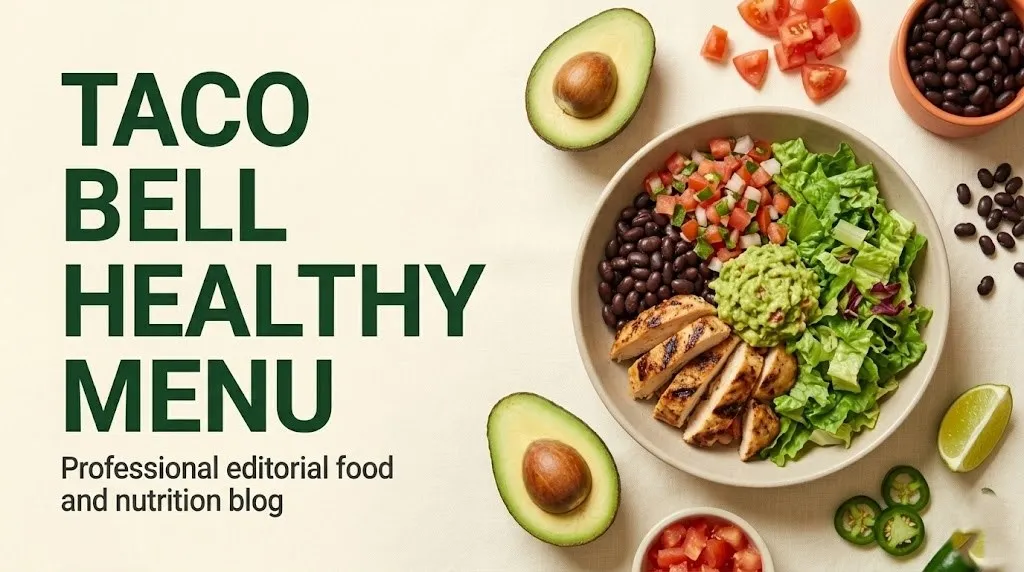
The nutritional foundation of a healthier Taco Bell meal rests on three ingredients: black beans (Phaseolus vulgaris), pinto beans (Phaseolus vulgaris), and grilled chicken breast. These are the protein and fiber anchors of any smart order.
Fiber helps maintain digestive health and helps you feel fuller longer; it also helps control blood sugar and lowers cholesterol levels. Fruits and vegetables, whole grains, legumes, nuts, and seeds are the primary sources of dietary fiber. Beans at Taco Bell deliver meaningful amounts of that fiber in a fast-food context.
The Dietary Guidelines for Americans recommend limiting saturated fat to 20 grams and sodium to 2,300 milligrams for a typical adult eating 2,000 calories daily. A single Crunchwrap Supreme with beef can deliver over 1,100 mg sodium in one sitting, which is nearly half that daily ceiling before you’ve had breakfast or dinner.
The fat picture is more manageable. Guacamole contributes monounsaturated fat from avocado, which the American Heart Association considers beneficial for cardiovascular health in appropriate portions. The problem comes from nacho cheese sauce and creamy jalapeño sauce, which add saturated fat and sodium quickly.
Taco Bell nutritional anchors to build from:
| Ingredient | Calories (approx.) | Protein | Fiber | Sodium |
|---|---|---|---|---|
| Black beans (side) | 80 cal | 4g | 5g | 200 mg |
| Grilled chicken (add-on) | 70 cal | 14g | 0g | 290 mg |
| Pico de gallo (topping) | 10 cal | 0g | 0g | 85 mg |
| Guacamole (side) | 35 cal | 0g | 1g | 95 mg |
| Shredded cheese (topping) | 30 cal | 2g | 0g | 60 mg |
| Reduced-fat sour cream | 30 cal | 1g | 0g | 25 mg |
Data based on Taco Bell’s published nutrition information. Values may vary by location and customization.
Healthy Items at Taco Bell Worth Ordering
The best healthy items at Taco Bell share a common profile: moderate calories, decent protein, at least some dietary fiber, and a sodium count that doesn’t blow your daily budget in one sitting.
A Crunchy Taco contains 170 calories, 9g fat, 13g carbs, and 8g protein with 310 mg sodium. The Beefy 5-Layer Burrito has 500 or more calories, 25g fat, and 1,200 mg sodium. The Power Menu Bowl with chicken delivers 470 calories, 18g fat, 45g carbs, and 26g protein with 1,000 mg sodium.
The Bean Burrito contains 11 grams of fiber. A Black Bean Burrito delivers 9 grams of fiber. The Veggie Power Menu Bowl contains 10 grams of fiber. For reference, the Academy of Nutrition and Dietetics recommends 25 to 38 grams of fiber daily depending on age and sex, making these items meaningfully useful fiber sources within a single fast food order.
Top healthy Taco Bell items by category:
| Item | Calories | Protein | Fiber | Sodium |
|---|---|---|---|---|
| Chicken Soft Taco | 170 cal | 12g | 1g | 490 mg |
| Crunchy Taco (beef) | 170 cal | 8g | 2g | 310 mg |
| Bean Burrito | 350 cal | 13g | 9g | 830 mg |
| Chicken Power Bowl | 470 cal | 26g | 7g | 1,000 mg |
| Veggie Power Bowl | 420 cal | 9g | 10g | 800 mg |
| Black Beans and Rice (side) | 160 cal | 4g | 5g | 340 mg |
| Cheesy Roll Up | 180 cal | 6g | 0g | 370 mg |
Verify current values via Taco Bell’s nutrition calculator, as data varies by location and menu updates.
Menu availability varies by location and season. Always confirm current item listings and nutrition data directly through Taco Bell’s official nutrition calculator or mobile app before ordering.
Key Takeaway: At Taco Bell, the difference between a smart order and a problematic one is about 600 calories and 800 mg of sodium; beans, grilled chicken, and fresco-style modifications are your most reliable tools.
What Is Healthy to Eat at Taco Bell?
The healthiest things to eat at Taco Bell are items that combine lean protein, legume-based fiber, and fresh vegetable toppings without heavy cheese layers, creamy sauces, or fried shells. That combination exists on the actual menu.
The Chicken Power Bowl delivers 470 calories with 27g protein and 50g carbs. It includes grilled chicken, rice, black beans, lettuce, tomatoes, guacamole, cheese, and reduced-fat sour cream. Skipping the avocado ranch sauce reduces sodium, which otherwise reaches 1,150 mg.
The pairing of beans and rice creates a more complete protein containing all nine essential amino acids. Research shows that eating beans and rice together can reduce after-meal blood sugar levels in adults with type 2 diabetes. That combination appears across multiple Taco Bell items, making it a practically useful nutritional pairing for anyone managing blood glucose.
For people with celiac disease or severe gluten sensitivity: Taco Bell ingredients made without gluten-containing ingredients are prepared in common kitchen areas with shared fryer oil, creating a risk of gluten exposure; Taco Bell does not recommend its products for customers with celiac disease. Customers with gluten sensitivities should exercise judgment when ordering.
What to prioritize at Taco Bell:
- Items with black beans or pinto beans as a protein/fiber base
- Grilled chicken over seasoned beef for lower saturated fat
- Fresh toppings: pico de gallo, lettuce, tomatoes, jalapeños
- Avoiding fried tortilla shells in favor of soft corn or flour options
- Beverages: water or unsweetened iced tea over fountain drinks with added sugar
Healthy Taco Bell Order Under 500 Calories
Building a satisfying Taco Bell meal under 500 calories is genuinely achievable without resorting to side dishes alone. The strategy is combining one moderate-calorie main item with smart additions rather than loading up on combo-box extras.
Two chicken soft tacos ordered Fresco Style total just 280 calories with 16g protein. Add a side of black beans and rice at approximately 160 calories, and you have a complete meal with protein, fiber, and vegetables at around 440 calories total.
Some items stay around 150 to 300 calories, like simple tacos or sides, while larger burritos, loaded nachos, and combo boxes can go 700 to 1,400 or more calories. If you’re aiming for a balanced meal, focus on items that offer a good protein-to-calorie ratio.
A useful comparison: think of your Taco Bell order like packing a lunch box. A single protein item plus a fiber-rich side plus a hydrating, low-calorie drink equals a complete, balanced unit. The moment you add a combo box with chips, nacho cheese, and a large fountain drink, you’ve essentially unpacked a second meal on top.
Sample under-500-calorie Taco Bell meal builds:
| Meal Build | Approx. Calories | Protein | Fiber |
|---|---|---|---|
| 2 Fresco Chicken Soft Tacos + water | 280 cal | 16g | 2g |
| 1 Bean Burrito (fresco) + unsweetened tea | 320 cal | 13g | 9g |
| 1 Chicken Soft Taco + Black Beans and Rice side | 330 cal | 16g | 6g |
| 2 Crunchy Tacos (beef) + side black beans | 420 cal | 20g | 7g |
| Veggie Power Bowl (no rice) + water | ~280 cal | 9g | 10g |
Taco Bell Fresco Style: What It Is and Why It Matters
Fresco Style is Taco Bell‘s built-in calorie reduction modification. Fresco Style replaces any mayo-based sauces, reduced-fat sour cream, nacho cheese sauce, and shredded cheeses with diced tomatoes. It typically results in a reduction in calories and fat.
This modification saves 30 to 50 calories per item while maintaining flavor. A 3-taco order drops from about 570 calories to approximately 420 calories with fresco applied to all three. That’s a meaningful 26% calorie reduction without changing the protein content, the tortilla, or the core filling.
The Fresco Style option can reduce calories by up to 50% in some items. The Fresco Chicken Soft Taco contains about 140 calories compared to the regular version’s 190 calories.
The fresco swap also reduces sodium slightly because nacho cheese sauce and sour cream both contribute sodium in addition to fat. This matters for anyone managing blood pressure. Pico de gallo, the replacement topping, adds lycopene from tomatoes, a carotenoid compound associated with cardiovascular health in dietary research.
Quick Tip:
- Order any taco, burrito, or bowl “Fresco Style” at no extra cost
- Fresco Style works across most menu items but not all; confirm at the counter or in the app
- If you want flavor without fat, add hot sauce packets (essentially zero calories) rather than re-adding cheese
Key Takeaway: Fresco Style is the single easiest, no-cost ordering modification at Taco Bell and it consistently cuts calories by 30 to 50 per item while slightly reducing sodium.
Taco Bell Power Bowl Nutrition
The Chicken Power Bowl is the most nutritionally complete single item on the standard Taco Bell menu. The Power Menu Bowl with chicken delivers 470 calories, 18g fat, 45g carbs, 26g protein, and 1,000 mg sodium per serving.
The Power Bowl delivers the best protein-to-calorie ratio at approximately 26g of protein for 470 calories, equaling about 5.5g of protein per 100 calories. That ratio is comparable to a grilled chicken breast in a meal-prep context, which is genuinely good for a drive-through item.
The Veggie Power Bowl delivers 420 calories with 13g protein and an impressive 10g fiber. That fiber content beats most fast food options and helps keep you full longer. The black beans and rice combination provides a more complete amino acid profile, and the vegetables add nutrients not commonly found in a typical drive-through meal.
The sodium figure of 1,000 mg per chicken bowl is the main caveat here. That represents approximately 43% of the Dietary Guidelines for Americans’ daily ceiling of 2,300 mg. If you eat this at lunch, plan lighter sodium choices at dinner. People managing hypertension or on a cardiologist-recommended low-sodium diet should be aware that a single Power Bowl can account for nearly half of their daily sodium budget.
Power Bowl comparison:
| Bowl Version | Calories | Protein | Fiber | Sodium |
|---|---|---|---|---|
| Chicken Power Bowl | 470 cal | 26g | 7g | 1,000 mg |
| Veggie Power Bowl | 420 cal | 9g | 10g | ~800 mg |
| Chicken Power Bowl (no rice) | ~280 cal | 26g | 5g | ~750 mg |
| Chicken Power Bowl (fresco style) | ~400 cal | 26g | 7g | ~850 mg |
Healthy Taco Bell Order for High Protein
A high-protein Taco Bell order is fully achievable using grilled chicken, steak, and black beans as the base. Options like the Chicken Power Bowl at 470 cal and 27g protein or three Soft Chicken Tacos at approximately 480 calories and 36g protein offer balanced macronutrients.
A custom soft taco with extra grilled chicken, light cheese, black beans, tomatoes, and lettuce gives you macros comparable to a protein bar and will be filling and help you reach protein goals. This works because grilled chicken is the highest protein-per-calorie protein option on the menu, and black beans add both protein and fiber without significant fat.
The Double Steak Grilled Cheese Burrito delivers around 42 grams of protein, but it also carries high sodium and saturated fat content, making it a less balanced choice for regular high-protein ordering. For most fitness goals, the Power Bowl or a multi-taco build with grilled chicken is more practical.
People following a high-protein diet due to athletic training or medical direction should note that most Taco Bell protein sources are processed with sodium-containing seasonings. If you are managing kidney function or have been advised to limit both protein and sodium, confirm appropriate intake levels with your treating provider before making fast food a regular protein source.
High-protein Taco Bell build options:
- 3 Soft Chicken Tacos: ~480 cal | 36g protein | ~1,470 mg sodium
- Chicken Power Bowl (standard): 470 cal | 26g protein | 1,000 mg sodium
- Custom soft taco with extra grilled chicken + black beans: ~300 cal | 28g protein | ~700 mg sodium
- Chicken Quesadilla: ~470 cal | 26g protein | ~1,040 mg sodium
Key Takeaway: Grilled chicken is Taco Bell’s highest protein-per-calorie option; combining it with black beans in a bowl or taco format gives you a high-protein meal that also delivers meaningful dietary fiber.
Taco Bell Low Sodium Options
Managing sodium at Taco Bell requires deliberate choices because even items labeled as “healthy” can carry 800 to 1,200 mg of sodium per serving. The CDC notes that most Americans already eat more sodium than recommended, and high sodium intake can raise blood pressure and the risk of heart disease and stroke.
For those concerned about salt, Fresco-style items reduce sodium by replacing cheese and sauce with fresh salsa. Grilled chicken items tend to have less sodium than fried or heavily seasoned beef. Customizing orders by asking for no added sauces or skipping cheese also reduces sodium content.
The lowest-sodium choices on the standard menu are items with minimal seasoned components: plain black beans and rice (~340 mg sodium per side serving), a Fresco Crunchy Taco (~310 mg sodium), and unseasoned add-ons like lettuce, tomatoes, and pico de gallo. Stacking multiple items with their full sodium loads is where single-visit totals climb rapidly.
Taco Bell’s own nutrition guide flags with a warning icon any item where the sodium content exceeds the daily recommended limit of 2,300 mg in a single item. High sodium intake increases blood pressure and risk of heart disease and stroke.
Lower-sodium Taco Bell options (per item):
| Item | Approx. Sodium |
|---|---|
| Crunchy Taco (beef) | 310 mg |
| Black Beans and Rice (side) | 340 mg |
| Fresco Chicken Soft Taco | 380 mg |
| Cheesy Roll Up | 370 mg |
| Pico de Gallo (topping) | 85 mg |
| Hot sauce packet | 35 mg |
Healthy Taco Bell Vegetarian and Vegan Options
Taco Bell is one of the most vegetarian-friendly fast-food chains in the United States. Taco Bell openly caters to vegetarian and vegan consumers and offers a Certified Vegetarian menu featuring items that exclude meat. Many of these can be further customized to be vegan by omitting cheese, sour cream, and other dairy-based toppings.
Taco Bell’s menu easily supports vegan or vegetarian preferences using black beans, potatoes, and guacamole in place of meat or dairy. The bean burrito without cheese, the black bean taco without dairy, and any bowl ordered with black beans and no sour cream or cheese qualify as vegan under standard definitions.
Vegetarians benefit from the Black Bean Chalupa Supreme, which contains protein and fiber-rich black beans, reduced-fat sour cream, lettuce, tomato, and a three-cheese blend. Another vegetarian option is the black beans and rice side, where the pairing of beans and rice creates a complete protein containing all nine essential amino acids.
Vegans ordering at Taco Bell should confirm that guacamole contains no added dairy, and should specify no reduced-fat sour cream, no cheese, and no creamy sauces on any order. Cross-contact with dairy and other allergens is possible in shared preparation areas; people with severe dairy allergies should account for this.
Vegetarian and vegan options at Taco Bell:
- Bean Burrito (no cheese for vegan): 350 cal, 13g protein, 9g fiber
- Veggie Power Bowl (no sour cream/cheese for vegan): ~370 cal, 9g protein, 10g fiber
- Black Beans and Rice (side): 160 cal, 4g protein, 5g fiber
- Black Bean Crunchwrap Supreme (no dairy for vegan): ~430 cal, 12g protein
- Crunchy Taco with black beans (fresco, no cheese): ~160 cal, 5g protein
Taco Bell Keto-Friendly Healthy Options
Eating low-carbohydrate at Taco Bell is possible by removing tortillas and rice and building your order around protein, cheese, and low-carb vegetables. Ordering a Chicken Cantina Bowl without rice or beans creates a keto-friendly option with approximately 10 grams of carbohydrates and 5 grams of fiber, giving 5 grams net carbs. Removing guacamole, ranch, and sour cream drops total carbs to 7 grams with only 3 grams net carbs.
The standard approach for keto at Taco Bell is to order any bowl or taco filling “in a bowl” without the tortilla, skip the seasoned rice, and keep black beans optional (beans do add carbohydrates). Grilled chicken, steak, shredded cheese, sour cream, guacamole, pico de gallo, and lettuce are the low-carb building blocks.
The Power Menu Bowl without rice delivers under 10 grams of net carbs, making it one of the most practical keto-friendly items you can order at a fast-food chain. It still provides approximately 26g of protein.
People following a ketogenic diet for medical reasons, such as epilepsy management or under physician direction for metabolic conditions, should track sodium carefully. Keto builds at Taco Bell can still contain 700 to 1,000 mg of sodium per serving depending on seasoning, sauces, and cheese quantities.
Keto-friendly Taco Bell order guide:
- Skip: flour tortilla, corn shell, seasoned rice, beans (if strict keto)
- Keep: grilled chicken, steak, shredded cheddar, sour cream, guacamole, pico de gallo, lettuce
- Order as: a bowl, no shell, no rice
- Target net carbs per meal: under 10g
- Estimated macros for chicken bowl, no rice, no beans: ~280 cal | 26g protein | 18g fat | 5g net carbs
Key Takeaway: Keto eating at Taco Bell works cleanly by ordering any protein bowl with no rice, no beans, and no tortilla; the fresco modification trades out cheese and sour cream for pico de gallo, but for keto, keeping the cheese and skipping the rice is the better swap.
Healthy Taco Bell Breakfast Options
Taco Bell serves breakfast at most locations, typically until 11:00 AM, and the breakfast menu includes options that range from roughly 160 to 700 calories per item. Taco Bell breakfast items range from light sides to hearty, high-calorie meals. Smaller burritos and hash browns work well for quick, lighter breakfasts, while Breakfast Crunchwraps and grande burritos provide higher protein and energy for larger appetites.
Choosing potato-based burritos or skipping creamy sauces helps lower calories at breakfast. Breakfast items are served only during morning hours, so confirming availability at your location before arrival is a practical step.
The breakfast items with the best protein-to-calorie ratio include the egg-and-cheese mini burritos, which deliver approximately 250 to 350 calories with 10 to 14g of protein. Avoiding items with processed sausage or bacon reduces both sodium and saturated fat significantly, since processed meat adds approximately 200 to 350 mg of extra sodium per serving.
Pregnant individuals and those managing gestational diabetes should know that most Taco Bell breakfast items contain refined carbohydrates and moderate sodium. They are not nutritionally inappropriate for occasional use, but they should not replace whole-food breakfast patterns for anyone with elevated blood sugar or blood pressure concerns during pregnancy.
Taco Bell breakfast comparison:
| Item | Approx. Calories | Protein | Sodium |
|---|---|---|---|
| Breakfast Soft Taco (egg and cheese) | 170 cal | 8g | 370 mg |
| Mini Skillet Bowl (egg, potato, cheese) | 180 cal | 7g | 430 mg |
| Hash Brown | 160 cal | 2g | 250 mg |
| Breakfast Crunchwrap (with bacon) | 660 cal | 24g | 1,090 mg |
| Cheesy Toasted Burrito (egg and potato) | 320 cal | 11g | 720 mg |
Healthy Taco Bell Customizations and Ordering Tips
Customizing your Taco Bell order is the most direct path to a healthier meal. If you want to keep calories down, limiting nacho cheese, sour cream, guacamole, or heavy sauces is the most effective strategy. Ordering “Fresco Style” without cheese or sauce saves a significant amount of calories while still delivering flavor through added salsa.
Ordering “Fresco Style” at Taco Bell replaces mayo-based sauces, shredded cheese, and sour cream with freshly prepared diced tomatoes. This is the most impactful single customization. The second most impactful is protein swapping: replacing seasoned beef with grilled chicken reduces saturated fat per item by approximately 2 to 4 grams and typically reduces sodium by 50 to 150 mg.
Sauce packets are a useful flavor tool. If calories are a concern, sticking with red sauce, pico, or hot sauce packets is the best approach; these are all virtually calorie-free. The creamy sauces such as ranch, chipotle, and avocado ranch sauce add 60 to 130 calories per packet when ordered as a side.
People with dairy allergies should specify “no cheese, no sour cream, no nacho cheese sauce” on all items, and should note that Taco Bell prepares food in shared kitchens where dairy cross-contact is possible.
Step-by-step guide to building a healthier Taco Bell order:
- Choose a base item: taco, burrito, or bowl
- Select grilled chicken or black beans as your protein
- Ask for Fresco Style to remove cheese and creamy sauce
- Add pico de gallo, lettuce, and jalapeños at no extra calories
- Skip the combo add-ons (chips, large fountain drinks)
- Choose water, unsweetened iced tea, or black coffee as your drink
- Confirm your final order nutrition in the Taco Bell app before checkout
Taco Bell Items to Avoid If You Are Eating Healthy
Some Taco Bell items are nutritionally difficult to fit into an eating plan regardless of customization. The Double Steak Grilled Cheese Burrito packs 920 calories and 2,170 mg sodium, which exceeds an entire day’s recommended sodium intake in a single item.
The easiest items to avoid when managing calorie and sodium intake include grilled-cheese burritos, loaded nachos, “Supreme/Grande” builds, breakfast items with processed meats and creamy sauces, combo boxes, desserts, and sugary frozen drinks. These options can push sodium very high even if the rest of your day is relatively balanced.
Frozen beverages deserve specific mention. The Mountain Dew Baja Blast Freeze contains 41 grams of sugar. A Cinnabon Delights 2-Pack has 18 grams of sugar. The Strawberry Skittles Freeze contains 47 grams of sugar. The Dietary Guidelines for Americans recommend limiting added sugars to less than 10% of daily calories, which for a 2,000-calorie intake equals no more than 50 grams of added sugar per day. A single large frozen drink can consume most of that allowance.
Taco Bell items to limit or avoid when eating with health goals:
- Double Steak Grilled Cheese Burrito: 920 cal | 2,170 mg sodium
- Nachos BellGrande: ~760 cal | ~1,040 mg sodium
- Crunchwrap Supreme (beef): ~540 cal | ~1,110 mg sodium
- Mountain Dew Baja Blast Freeze (large): ~370 cal | 41g sugar
- Cinnabon Delights 12-Pack: ~570 cal | 43g sugar
- Breakfast Crunchwrap with bacon: 660 cal | 1,090 mg sodium
Key Takeaway: The worst Taco Bell choices nutritionally are not the tacos; they are the combo boxes, loaded burritos with grilled cheese layers, frozen sugar drinks, and desserts, which stack calories and sodium in ways that are genuinely difficult to offset elsewhere in your day.
Healthy Taco Bell Choices by Diet Goal
Different health goals call for different ordering strategies at Taco Bell. The same menu works very differently depending on whether you are managing weight, supporting athletic performance, watching blood pressure, or following a plant-based eating pattern.
The Dietary Guidelines for Americans promote eating real food, with healthy eating patterns that can include foods and beverages reflecting personal preferences and budgetary considerations. Healthy eating emphasizes protein, dairy without added sugars, vegetables, fruits, healthy fats, and whole grains. That framework applies at Taco Bell as much as anywhere else; the goal is finding the intersection of your eating pattern and what the menu can deliver.
For people managing type 2 diabetes: the black beans and rice combination is particularly relevant. Research shows that eating beans and rice together can reduce after-meal blood sugar levels in adults with type 2 diabetes. Pairing this with a source of lean protein and avoiding high-sugar beverages supports blood glucose management at a fast food visit. However, individual carbohydrate targets vary significantly; anyone using insulin or oral diabetes medications should track their carbohydrate intake against their specific plan.
Healthy Taco Bell order guide by diet goal:
| Diet Goal | Best Items | Key Modifications |
|---|---|---|
| Weight management | 2 Fresco Chicken Soft Tacos + water | Fresco Style; skip combo adds |
| Heart health / low sodium | Crunchy Taco (beef) + black beans side | No sauces; fresco style; water |
| High protein / fitness | Chicken Power Bowl or 3 Soft Chicken Tacos | Add extra chicken; no heavy sauce |
| Vegetarian | Veggie Power Bowl or Bean Burrito | Fresco for fewer calories |
| Vegan | Black Bean Bowl, no dairy | Specify no cheese, no sour cream |
| Low carb / keto | Chicken Bowl, no rice, no tortilla | Keep guac and cheese; skip beans |
| Diabetes-friendly | Black Beans and Rice + Grilled Chicken Soft Taco | No sugar drinks; fresco style |
| Lower calorie | Fresco Soft Tacos x2 | Under 300 cal; add black bean side |
Frequently Asked Questions About Taco Bell Healthy Menu
What is the healthiest thing to order at Taco Bell?
The Chicken Power Bowl ordered with Fresco Style modifications is one of the most nutritionally complete single items on the menu.
It delivers approximately 26 grams of protein, 7 grams of fiber, and around 400 to 470 calories depending on customization.
Skipping the avocado ranch sauce brings sodium down from approximately 1,150 mg to a more manageable range.
Does Taco Bell have healthy options for weight loss?
Yes; two Fresco-style Chicken Soft Tacos total approximately 280 calories with 16 grams of protein, making them a workable low-calorie meal option.
Reducing calories is possible by removing extra cheese, skipping creamy dressings, or swapping beef for beans or chicken.
Pairing one main item with a side of black beans and water rather than a combo box is the most consistent strategy for keeping calories in a reasonable range.
Is Taco Bell good for high-protein eating?
Taco Bell offers legitimate high-protein options when you build around grilled chicken or steak and black beans.
Three Soft Chicken Tacos deliver approximately 36 grams of protein at around 480 calories, which is a solid protein-to-calorie ratio for a fast food meal.
Adding extra grilled chicken to any bowl or taco at an upcharge increases total protein further without dramatically changing the calorie count.
What Taco Bell items are lowest in sodium?
The lowest-sodium options include the Crunchy Taco with beef at approximately 310 mg sodium, the Black Beans and Rice side at approximately 340 mg, and the Cheesy Roll Up at approximately 370 mg.
Removing nacho cheese sauce or sour cream from any item reduces sodium further.
Hot sauce packets add approximately 35 mg sodium per packet and are a very low-sodium flavor option.
Can you eat at Taco Bell on a vegetarian or vegan diet?
Yes. Taco Bell is one of the most vegetarian-friendly fast-food chains, offering bean burritos, veggie bowls, potato tacos, and meat-free Crunchwraps.
Vegan options are available by requesting no cheese, no sour cream, and no creamy sauces on any bean-based item.
Cross-contact with dairy is possible in shared preparation areas; people with severe dairy allergies should factor this into their decision.
Closing
Taco Bell is more diet-flexible than its reputation suggests. The best meals come from a simple formula: grilled or bean-based protein, Fresco Style modification, fresh toppings, and water or unsweetened tea instead of a fountain drink.
Know your goal before you pull into the drive-through. If you’re watching sodium, build around the Crunchy Taco and side black beans. If protein is the priority, go straight to the Chicken Power Bowl or three soft chicken tacos. If you want the lowest possible calorie count, two Fresco soft tacos and a side of black beans gets you a complete meal under 450 calories.
Menus change, locations vary, and the Taco Bell nutrition calculator is your most accurate real-time reference. Use it before you order.