Pho is healthy for most people when eaten in reasonable portions: it delivers 25 to 35 grams of protein, a broad range of minerals, and a broth built from long-simmered bones and aromatic spices. The primary concern is sodium, with restaurant versions regularly containing 1,000 to 1,500 milligrams per bowl, which requires awareness for anyone managing blood pressure.
The nutritional picture varies meaningfully depending on which type you order, how much broth you drink, and what condiments you add. A bowl of pho ga (chicken pho) with lean breast meat and extra bean sprouts is a genuinely different meal than a beef brisket pho loaded with hoisin sauce. Both are pho. Only one is a sound regular choice for someone watching cardiovascular health.
This guide covers the full nutrition facts for pho bo and pho ga, the heart health considerations, how pho fits into weight management, what the broth actually contributes, when it helps on sick days, and exactly how to order or make a healthier bowl at any restaurant.
Is Pho Healthy?
Pho is a nutritionally sound meal for most healthy adults, offering high protein content, meaningful micronutrients, and a relatively modest calorie count compared to other restaurant noodle dishes. The sodium level in restaurant pho is its most significant nutritional limitation.
A standard restaurant bowl of pho, approximately 450 to 500 grams including broth, noodles, and protein, falls in the range of 350 to 450 calories for beef pho and 300 to 380 calories for chicken pho, per USDA FoodData Central data and published nutritional estimates. Those calorie counts are reasonable for a complete meal.
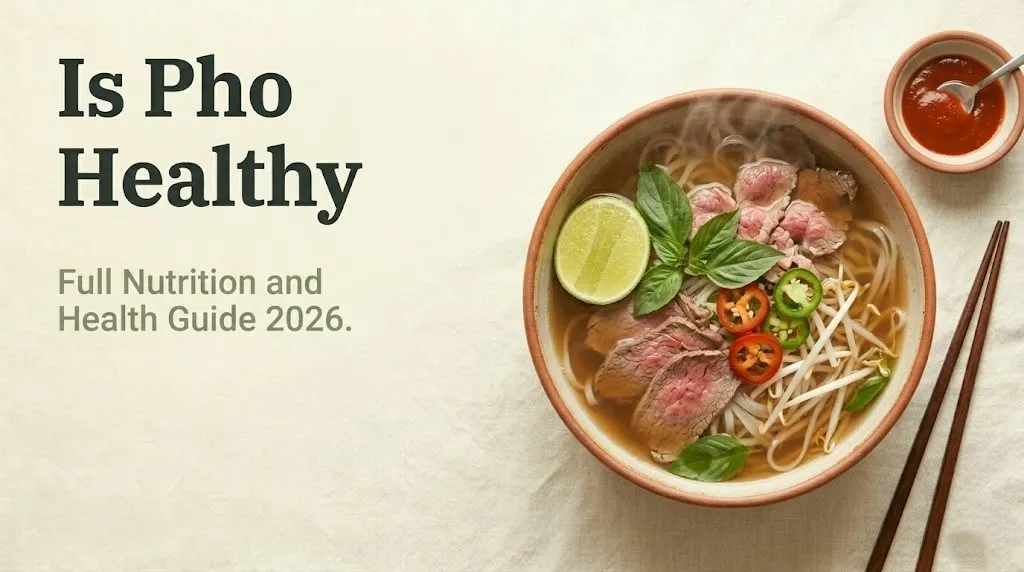
What makes pho nutritionally interesting goes beyond the macros. The broth is simmered for hours with star anise (Illicium verum), cinnamon (Cinnamomum cassia), ginger (Zingiber officinale), and cloves (Syzygium aromaticum). These aromatics contribute bioactive compounds including anethole from star anise, cinnamaldehyde from cinnamon, and gingerols from ginger, though the clinical significance of these compounds at the concentrations found in a bowl of soup broth has not been established by large-scale human trials.
Pho nutritional snapshot per standard restaurant serving:
| Nutrient | Pho Bo (Beef) | Pho Ga (Chicken) |
|---|---|---|
| Calories | 350 to 450 | 300 to 380 |
| Protein | 25 to 35g | 22 to 30g |
| Carbohydrates | 40 to 50g | 38 to 48g |
| Total Fat | 6 to 12g | 3 to 6g |
| Saturated Fat | 2 to 5g | 0.5 to 2g |
| Sodium | 1,000 to 1,500mg | 900 to 1,400mg |
| Iron | 2 to 4mg | 1 to 2mg |
People with fish allergies should be aware that fish sauce (made from fermented anchovies, Engraulidae family) is used in most pho broth recipes and is a potential hidden allergen. Confirming with the restaurant before ordering is the appropriate step for anyone with a confirmed fish allergy.
Is Pho Soup Healthy?
Pho soup is healthy as a complete meal because the broth provides hydration and minerals, the protein source supports satiety and muscle maintenance, and the rice noodles deliver carbohydrates at a moderate glycemic load. The meal’s overall health profile is genuinely better than most restaurant noodle options in its calorie and protein combination.
The broth itself is where much of pho’s nutritional character comes from. Bone broth, the base for both pho bo and pho ga, contains glycine (aminoacetic acid) and proline, two amino acids released from collagen during long simmering. Research published in the Nutrients journal suggests that glycine may support connective tissue health and sleep quality at supplemental doses, though a single bowl of pho broth delivers far less than the doses studied in clinical research.
The soup format also contributes to satiety in a way that dry meals don’t replicate as effectively. The high water content of broth fills the stomach volume at a low caloric cost, which tends to reduce total calorie intake at a meal compared to eating the same protein and carbohydrate components dry.
Bean sprouts (Vigna radiata, mung bean sprouts) added tableside contribute approximately 13 calories per cup alongside 1.3 grams of protein, vitamin C (ascorbic acid), and folate (vitamin B9). They add nutritional value and textural contrast without meaningful calories. Eating them rather than leaving them on the side is a small but real nutritional choice.
People following a vegan diet should note that traditional pho broth is bone-based and not vegan. Vegetarian pho restaurants use mushroom-based or vegetable broths with charred onion and ginger, which produce a similar aromatic profile but a different nutritional composition, typically lower in protein and with no collagen-derived amino acids.
Is Beef Pho Healthy?
Beef pho is healthy for most people as an occasional to regular meal, providing high-quality complete protein from beef, meaningful iron and zinc, and a broth rich in collagen-derived amino acids. The main trade-off is higher saturated fat compared to chicken pho, depending on the cut of beef selected.
Different beef cuts in pho carry meaningfully different fat profiles. The choice of protein significantly affects how healthy your bowl actually is:
- Tái (eye of round, rare): The leanest option. Eye of round (Bos taurus, round primal) is approximately 3 to 4 grams of total fat per 85-gram serving with 1 to 1.5 grams of saturated fat.
- Nạm (flank, well-done): Moderately lean. Flank steak is approximately 6 to 8 grams of total fat per 85-gram serving with 2.5 to 3 grams of saturated fat.
- Gầu (brisket, fatty): The highest-fat option. Beef brisket (Bos taurus) can reach 12 to 18 grams of total fat per 85-gram serving with 5 to 7 grams of saturated fat.
- Gân (tendon): Low fat but high in collagen. Approximately 2 to 3 grams of total fat per 85-gram serving.
- Sách (tripe): Very low fat, approximately 2 grams of total fat per 85-gram serving, with a distinctive texture.
Beef provides iron (approximately 2 to 4 milligrams per serving, contributing meaningfully to the daily value of 8 milligrams for adult men and 18 milligrams for premenopausal women per National Institutes of Health (NIH) recommendations), zinc (supporting immune function), and vitamin B12 (supporting neurological function and red blood cell production).
People managing cardiovascular risk should choose tái or nạm over fatty brisket and request light or no hoisin sauce to control saturated fat and added sugar intake in one adjustment.
Key Takeaway: Beef pho’s healthfulness depends heavily on which cut of beef you choose. Lean rare beef (tái) makes it a high-protein, moderate-fat meal. Fatty brisket (gầu) with hoisin sauce turns it into a much higher saturated fat and sodium meal.
Is Pho Ga Healthy?
Pho ga is one of the healthiest options at a Vietnamese restaurant, offering 22 to 30 grams of protein per standard bowl at 300 to 380 calories, with significantly less saturated fat than most beef pho variations.
Chicken pho uses chicken breast (Gallus gallus domesticus, pectoralis major muscle) or dark meat chicken depending on the restaurant’s preparation. Chicken breast delivers approximately 31 grams of protein per 100 grams with only 3.6 grams of total fat and 1 gram of saturated fat, per USDA FoodData Central data. That protein-to-fat ratio is among the most favorable in any restaurant protein source.
The broth for pho ga is typically lighter in body than pho bo, as chicken bones yield less collagen than beef bones. The sodium content is slightly lower on average, though restaurant variation is wide and individual bowls can still range from 900 to 1,400 milligrams of sodium depending on preparation. The same sodium awareness applies regardless of the lighter broth character.
Pho ga is a strong choice for people who are specifically monitoring saturated fat intake, including those following the American Heart Association’s dietary recommendation of less than 6% of total daily calories from saturated fat (approximately 13 grams per day on a 2,000-calorie diet). A bowl of pho ga with chicken breast contributes 0.5 to 2 grams of saturated fat, leaving ample room in the day’s budget.
People with a poultry allergy should confirm with the restaurant that the broth is prepared separately from any beef-based stock, as some restaurants use combined broths in their pho ga preparation.
Is Pho Heart Healthy?
Pho is moderately heart healthy when ordered strategically, but restaurant versions consistently contain sodium levels that challenge the American Heart Association’s recommendation of no more than 1,500 milligrams of sodium per day for people managing hypertension.
The AHA’s standard dietary sodium limit for healthy adults is 2,300 milligrams per day. Their stricter recommendation for people managing blood pressure or at elevated cardiovascular risk is 1,500 milligrams per day. A single restaurant bowl of pho can deliver 1,000 to 1,500 milligrams of sodium, representing 65 to 100% of the stricter daily limit in one meal.
This is the most meaningful nutritional limitation of pho for heart health. The protein and mineral content are genuinely favorable for cardiovascular health broadly. The sodium load requires active management through ordering choices.
Think of the sodium budget like a daily bank account. Most people with heart health goals have a 1,500 to 2,300 milligram daily deposit to spend. Spending more than half of it at lunch before considering dinner, breakfast, and snacks requires the rest of the day’s eating to be extremely low in sodium to balance out.
Heart-healthy pho ordering strategies:
| Strategy | Sodium Reduction | How to Apply |
|---|---|---|
| Request broth on the side | 300 to 600mg saved | Dip noodles; don’t drink full broth |
| Skip hoisin sauce | 150 to 250mg saved | Use fresh lime juice instead |
| Skip fish sauce addition | 100 to 200mg saved | Ask for no extra fish sauce tableside |
| Choose pho ga over pho bo | 100 to 200mg average reduction | Chicken broth typically lower in sodium |
| Request half portion noodles | Reduces total intake | Fewer noodles means more broth ratio to drink |
| Ask for no MSG if offered | Variable | Some restaurants use MSG separately from salt |
People with diagnosed hypertension who are on a physician-recommended sodium restriction below 1,500 milligrams daily should discuss whether restaurant pho fits their specific dietary target with their treating healthcare provider, as the sodium range in restaurant pho makes it a challenging fit for very strict sodium goals.
Is Pho Healthy for Weight Loss?
Pho is generally a good option for weight loss, providing high protein that supports satiety and a moderate calorie count that fits within most weight-loss caloric targets, particularly when ordered with lean protein and modest broth consumption.
A standard bowl of pho ga or lean beef pho falls in the range of 300 to 450 calories. For most adults following a weight-loss eating plan targeting 1,500 to 1,800 calories per day, a single bowl of pho represents 17 to 30% of daily intake, which is appropriate for a complete lunch or dinner.
The protein content is what makes pho particularly useful in a weight-loss context. Research published in the American Journal of Clinical Nutrition found that dietary protein at 1.2 to 1.6 grams per kilogram of body weight per day is associated with greater satiety and better lean mass preservation during caloric restriction compared to lower protein intakes. A bowl of pho delivering 25 to 35 grams of protein contributes meaningfully to that target.
Where weight-loss calorie calculations go wrong with pho is the broth. Most people don’t drink the entire bowl of broth, but those who do add 50 to 100 additional calories from fat and small protein amounts in the liquid. More practically, the sodium in the broth promotes temporary water retention, which can mislead anyone tracking daily weight on a scale.
People following a ketogenic or very low-carbohydrate dietary pattern should be aware that a standard pho bowl contains 38 to 50 grams of carbohydrates primarily from rice noodles (Oryza sativa). Requesting half noodles or substituting extra vegetables for noodles, where the restaurant permits, brings the carbohydrate content down to a range more compatible with low-carbohydrate targets.
Key Takeaway: Pho is one of the better restaurant options for weight management, primarily because of its high protein content and moderate calorie count. The main adjustment is watching broth intake for sodium, not worrying about the protein.
Is Pho Good for You?
Pho is good for you as a regular part of a balanced diet because it delivers complete protein, iron, zinc, B vitamins, and a range of bioactive compounds from its spice broth, with a calorie count that fits most healthy eating patterns without adjustment.
The “is it good for you” question deserves an honest full-picture answer. Pho has genuine strengths: the protein content is comparable to or better than most restaurant meals. The spice profile (star anise, ginger, cinnamon, cloves) contributes compounds with properties being studied in nutrition research, though no single bowl of pho delivers these compounds at clinically studied doses.
Pho also has one genuine limitation that requires active management: sodium. For an otherwise healthy adult with no specific sodium restrictions, eating pho two to three times per week while keeping other meals lower in sodium is a reasonable eating pattern. For someone managing hypertension, kidney disease, or heart failure, the sodium content requires either specific ordering strategies or reduced frequency.
The fresh garnishes added tableside contribute real nutritional value. Thai basil (Ocimum basilicum var. thyrsiflora) contributes small amounts of vitamin K and manganese. Fresh lime juice provides vitamin C (ascorbic acid), which also enhances non-heme iron absorption from the plant-based components of the soup, a practical benefit for anyone relying on plant iron sources.
People following a gluten-free diet should confirm that the rice noodles in their specific restaurant’s pho are pure rice flour (Oryza sativa) without wheat flour additives, and that hoisin sauce (which contains wheat flour) is not added to the broth. Many restaurants add a small amount of hoisin to the broth during preparation rather than only serving it tableside.
Pho Soup Healthy
Pho soup is healthiest when built around lean protein, consumed at a moderate noodle-to-broth ratio, loaded with fresh vegetables tableside, and ordered without heavy condiment additions.
The gap between the healthiest and least healthy version of pho at the same restaurant is wider than most people expect. A bowl of pho ga with chicken breast, extra bean sprouts, Thai basil, lime, and minimal broth consumption is approximately 320 calories, 27 grams of protein, and 950 milligrams of sodium. The same restaurant’s fatty beef brisket pho with full broth and generous hoisin can reach 550 calories, 28 grams of protein, and 1,700 milligrams of sodium. Same restaurant. Different nutritional outcome.
The rice noodles (banh pho) used in pho are made from Oryza sativa rice flour and are naturally gluten-free in their pure form. They have a moderate glycemic index, estimated at approximately 53 to 61 depending on preparation, which is lower than white bread (70 to 75) but not as low as whole grain pasta (42 to 48), per published glycemic index research. For people without specific glycemic concerns, this is not a meaningful distinction. For people managing blood glucose, portion size and pairing with protein (which slows gastric emptying and moderates blood glucose response) matters more than the glycemic index value alone.
According to the Academy of Nutrition and Dietetics, soup-based meals generally support better portion control and satiety than equivalent-calorie dry meals because the water content increases stomach volume before the caloric content is fully absorbed.
Is Eating Pho Healthy?
Eating pho regularly is healthy for most adults when it is part of a varied diet that manages total sodium intake across the day. It is not a food to avoid. It is a food to order thoughtfully.
The frequency question is the one most people are actually asking when they search this. The honest answer: pho two to three times per week is a reasonable frequency for a healthy adult with no sodium-sensitive conditions, provided the rest of the day’s eating doesn’t compound the sodium load. For people managing hypertension, eating pho once a week with the sodium-reduction ordering strategies (broth on the side, no hoisin, lean protein) is a practical approach that doesn’t require eliminating a food that is otherwise nutritionally sound.
Eating pho as a regular diet staple without any sodium management, on the other hand, creates a cumulative sodium load that exceeds the Harvard T.H. Chan School of Public Health’s guidance on optimal daily sodium intake for long-term cardiovascular health.
Who benefits most from eating pho regularly:
- Adults with high protein needs (athletes, older adults managing muscle mass)
- People seeking lower-calorie restaurant meals relative to pasta, pizza, or burgers
- People who need iron-rich meals and tolerate red meat well
- People recovering from illness who need hydration, electrolytes, and easily digestible protein
Who should eat pho more carefully:
- People with hypertension or on a physician-prescribed low-sodium diet
- People with celiac disease (cross-contamination and hoisin sauce risks)
- People with fish allergies (fish sauce in broth)
- People with type 2 diabetes (moderate carbohydrate content from noodles warrants portion attention)
Key Takeaway: Eating pho is healthy as part of a balanced diet for most adults. The single most effective habit for anyone eating pho regularly is managing the surrounding meals’ sodium content on the same day.
Pho Nutrition Facts
A standard restaurant bowl of pho contains approximately 350 to 450 calories for beef pho and 300 to 380 calories for chicken pho, with 22 to 35 grams of protein, 40 to 50 grams of carbohydrates, and 1,000 to 1,500 milligrams of sodium, per USDA FoodData Central estimates and published nutritional analyses.
The full nutritional picture per standard restaurant serving:
Detailed pho nutrition comparison:
| Nutrient | Pho Bo (Beef, Lean) | Pho Ga (Chicken Breast) | Vegetarian Pho |
|---|---|---|---|
| Calories | 380 to 450 | 300 to 380 | 250 to 330 |
| Protein | 28 to 35g | 22 to 30g | 8 to 14g |
| Carbohydrates | 42 to 50g | 38 to 48g | 40 to 52g |
| Total Fat | 6 to 10g | 3 to 6g | 2 to 5g |
| Saturated Fat | 2 to 4g | 0.5 to 2g | 0.5 to 1.5g |
| Sodium | 1,000 to 1,500mg | 900 to 1,400mg | 800 to 1,200mg |
| Iron | 2 to 4mg | 1 to 2mg | 1 to 2mg |
| Zinc | 3 to 5mg | 1 to 2mg | 0.5 to 1.5mg |
| Vitamin B12 | 1 to 2 mcg | 0.5 to 1 mcg | 0 mcg |
Vegetarian pho’s protein content is notably lower because it lacks the animal protein that makes beef and chicken versions nutritionally dense meals. Vegetarian pho drinkers who rely on it as a primary protein source should supplement with protein-rich toppings like tofu (Glycine max, approximately 8 grams of protein per 100 grams) or additional legumes.
All figures are estimates based on standard preparation. Restaurant formulations vary substantially. Verifying with individual restaurants for specific nutritional data is the most accurate approach when precise tracking is needed.
Is Pho Good When Sick?
Pho is genuinely helpful when sick with a cold or upper respiratory infection because the hot broth supports hydration and provides electrolytes including sodium and potassium, the steam may temporarily ease nasal congestion, and ginger and star anise in the broth have been studied for anti-inflammatory properties.
The steam benefit is real but limited. Inhaling steam from hot liquid temporarily opens nasal passages and reduces perceived congestion through simple vasodilation and mucus thinning. This is the same mechanism behind steam inhalation therapy. It does not treat the underlying viral infection, but it provides genuine short-term comfort.
Ginger (Zingiber officinale) contains gingerols, which have been studied for anti-nausea and anti-inflammatory properties. A 2014 review published in the British Journal of Nutrition found that ginger compounds showed anti-inflammatory activity in cell and animal studies, though clinical evidence in humans is more limited. The amount of ginger in pho broth is likely smaller than what research studies use, but ginger is not harmful and may contribute modest comfort when feeling unwell.
The broth also provides sodium (which helps maintain fluid balance when dehydration from fever is a concern) and potassium (which supports electrolyte balance). These are not therapeutic treatments for illness, but they represent real nutritional contributions during a period when appetite is often low and fluid intake is the priority.
Pho ga is slightly preferable to pho bo when sick because the lighter chicken broth is easier to digest and lower in saturated fat, which can be harder to process when the digestive system is under stress. Choosing lean protein and keeping portions modest while sick allows fluid and electrolyte intake without overwhelming a compromised digestive system.
Is Pho High in Sodium?
Pho is high in sodium by most standard benchmarks. Restaurant bowls regularly contain 1,000 to 1,500 milligrams of sodium, which represents 43 to 65% of the American Heart Association’s recommended daily limit of 2,300 milligrams for healthy adults, or 67 to 100% of the stricter 1,500 milligram limit for people managing blood pressure.
The sodium comes primarily from the broth, which is seasoned with fish sauce (made from fermented anchovies, a high-sodium condiment), salt, and in many restaurants, monosodium glutamate (MSG). Fish sauce contributes approximately 1,190 milligrams of sodium per tablespoon, making it one of the most sodium-dense seasonings used in cooking.
The sodium issue in pho is frequently misunderstood. People assume the noodles or condiments are the primary sodium source. They are secondary. The broth is where the sodium lives, and drinking the full bowl of broth dramatically increases total sodium intake compared to eating the noodles and protein while leaving half the broth.
A practical comparison helps calibrate the concern. McDonald’s Big Mac contains approximately 1,010 milligrams of sodium. A full bowl of restaurant pho sits at or above that level. The difference is that pho’s sodium is largely coming from a real broth with nutritional properties, while fast food sodium is more purely additive salt. That distinction matters for how you feel about the food, not for how the sodium affects blood pressure, where the source is largely irrelevant to the physiological effect.
People on low-sodium diets of 1,000 milligrams or less per day (sometimes prescribed for severe heart failure or kidney disease) should treat restaurant pho as incompatible with their specific medical dietary guidelines unless they can confirm the restaurant’s sodium content and adjust accordingly.
Is Pho Healthier Than Ramen?
Pho is generally healthier than ramen because it typically contains fewer calories, less saturated fat, and relies on cleaner broth ingredients, though both dishes can be high in sodium and the comparison depends heavily on the specific variation ordered at each.
A useful direct comparison:
| Factor | Pho (Standard Bowl) | Ramen (Tonkotsu, Standard) | Ramen (Shoyu, Standard) |
|---|---|---|---|
| Calories | 350 to 450 | 500 to 700 | 400 to 550 |
| Protein | 25 to 35g | 20 to 30g | 18 to 28g |
| Carbohydrates | 40 to 50g | 55 to 70g | 50 to 65g |
| Total Fat | 6 to 12g | 18 to 28g | 8 to 15g |
| Saturated Fat | 2 to 5g | 7 to 12g | 3 to 6g |
| Sodium | 1,000 to 1,500mg | 1,400 to 2,200mg | 1,200 to 1,800mg |
| Noodle type | Rice flour (gluten-free base) | Wheat flour (contains gluten) | Wheat flour (contains gluten) |
Tonkotsu ramen (pork bone broth) is the heaviest of the major ramen styles, with significantly more saturated fat from the fat-rich pork bone marrow broth. Shoyu ramen (soy sauce-based) is lighter but still typically higher in sodium than pho.
The gluten difference is practically important. Pho rice noodles (banh pho, Oryza sativa) are naturally gluten-free in their base composition. Ramen noodles are wheat-based and contain gluten. For people with celiac disease or non-celiac gluten sensitivity, this makes pho the appropriate choice between the two, provided the restaurant uses clean preparation practices and gluten-containing sauces are avoided.
How to Make Pho Healthier
The most effective ways to make pho healthier are choosing lean protein, managing broth intake, skipping high-sodium and high-sugar condiments, and loading up on the fresh vegetable garnishes served tableside.
These changes can reduce the sodium content of a restaurant bowl by 300 to 700 milligrams and the calorie count by 50 to 100 calories without meaningfully changing the eating experience.
Complete healthy pho ordering guide:
To order a healthier bowl of pho at a restaurant:
- Choose pho ga with chicken breast or pho bo with tái (rare eye of round) as your protein. Both are the leanest options in their respective categories.
- Request extra bean sprouts (Vigna radiata) and load up on the tableside garnishes. They add fiber, vitamin C, and volume at minimal caloric cost.
- Skip the hoisin sauce or use no more than 1 teaspoon (approximately 35 milligrams of sodium). Hoisin also contains wheat flour and added sugar. Lime juice is a better flavor enhancer.
- Use sriracha sparingly. Sriracha has approximately 80 milligrams of sodium per teaspoon, significantly less than hoisin.
- Request broth on the side or drink only half the broth. This single choice saves the most sodium of any ordering adjustment, potentially 400 to 600 milligrams.
- If available, request half noodles and extra protein or vegetables. This reduces carbohydrate content and shifts the macronutrient balance toward protein.
For homemade pho, controlling sodium is straightforward: use a lower-sodium broth base, reduce or eliminate fish sauce, and season with fresh lime juice and spices rather than salt-heavy condiments. Homemade pho broth can be prepared with 30 to 50% less sodium than restaurant versions while retaining the full aromatic character of the dish.
People managing type 2 diabetes who want to make pho more blood-glucose-friendly should increase the protein-to-noodle ratio (more lean meat, fewer noodles), add extra bean sprouts for fiber, and avoid sweetened condiments like hoisin sauce. These adjustments slow gastric emptying and moderate the blood glucose response to the meal’s carbohydrate content.
Frequently Asked Questions About Is Pho Healthy
Is pho healthy for weight loss?
Pho is a good option for weight loss, with most bowls ranging from 300 to 450 calories and delivering 22 to 35 grams of protein that supports satiety.
Choosing pho ga or lean beef pho (tái) with minimal hoisin sauce and half the noodle portion keeps the calorie count at the lower end of that range.
The main watch-out for weight tracking is temporary water retention from the high sodium content, which can temporarily inflate scale weight without representing actual fat gain.
How much sodium is in a bowl of pho?
A standard restaurant bowl of pho contains approximately 1,000 to 1,500 milligrams of sodium, primarily from the fish sauce and salt used in the broth.
The American Heart Association recommends no more than 2,300 milligrams of sodium per day for healthy adults, and 1,500 milligrams for people managing blood pressure.
Requesting broth on the side and skipping hoisin sauce are the two most effective ways to reduce sodium intake from a single bowl.
Is pho gluten-free?
Pho rice noodles (banh pho) are made from Oryza sativa rice flour and are naturally gluten-free in their base composition.
However, hoisin sauce (commonly served alongside pho) contains wheat flour and is not gluten-free, and some restaurants add a small amount of hoisin directly to the broth during preparation.
People with celiac disease should confirm with the specific restaurant that no wheat-containing ingredients are used in the broth or noodles, and that preparation surfaces are not shared with wheat-based noodles.
Is pho good for you when you have a cold?
Pho provides real comfort and nutritional support when sick, primarily through hot broth that supports hydration, electrolytes from sodium and potassium in the broth, and steam that temporarily eases nasal congestion.
The ginger (Zingiber officinale) in pho broth contains gingerols with anti-inflammatory and anti-nausea properties studied in clinical research, though the amount in a bowl of soup is smaller than doses used in controlled trials.
Pho ga (chicken pho) is the better choice when sick because lighter chicken broth is easier to digest than rich beef bone broth.
Is pho healthier than ramen?
Pho is generally healthier than ramen, with fewer calories, less saturated fat, and lower sodium compared to the most common ramen styles, particularly tonkotsu (pork bone) ramen.
A standard bowl of pho contains 350 to 450 calories and 6 to 12 grams of fat, while tonkotsu ramen typically contains 500 to 700 calories and 18 to 28 grams of fat, per published nutritional estimates.
Pho also uses rice noodles (naturally gluten-free base) while ramen uses wheat noodles, making pho the appropriate choice for people managing gluten sensitivity.
Closing
Pho is a genuinely nutritious restaurant meal for most people. The protein content is excellent. The calorie count is reasonable. The spice broth brings real aromatic complexity and minor bioactive benefits. The only real management task is sodium, and that’s addressable with a few ordering habits.
Start with lean protein (tái or chicken breast), skip the hoisin, use fresh lime instead, and leave half the broth. That single set of choices takes what is already a solid meal and brings the sodium down to a range that fits comfortably into a health-conscious eating pattern most days of the week.
Pho doesn’t need to be a guilt-ridden occasion or a dietary exception. Order it smart and eat it often.