The best foods to eat when sick are gentle on the stomach, easy to digest, and rich in the specific nutrients your immune system needs to fight back. Chicken broth, bananas, plain oatmeal, ginger tea, honey, and toast head the list, but what you eat matters less if you’re choosing for the wrong illness.
Nutrition during illness is not a minor detail. According to the Academy of Nutrition and Dietetics, adequate fluid and nutrient intake directly affects immune function and the speed of recovery from common infections. Eating the wrong foods can extend your symptoms, while the right choices actively support your body’s repair processes.
This guide covers the best foods for every type of common illness: colds, flu, stomach bugs, fevers, and sore throats. It explains the science behind why each food works, what to avoid, how to eat when you have zero appetite, and how to shift your diet as you move from sick to recovering.
What Food to Eat When Sick
The foods you need when sick fall into a few clear categories: easy-to-digest carbohydrates, clear fluids, electrolyte-rich foods, and ingredients with documented anti-inflammatory or antimicrobial properties.
Think of your digestive system when you’re ill as a car engine running on low power. It can still move, but it can’t handle full fuel loads. Light, nutrient-dense foods give it something to work with without demanding more energy than it has available.
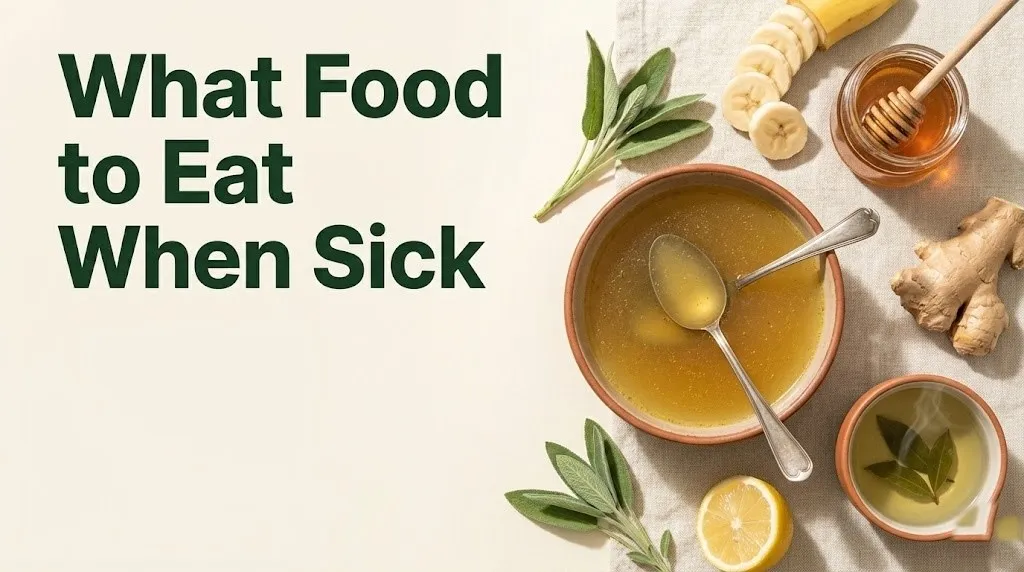
The core foods that consistently appear in clinical nutrition guidance for illness include:
- Chicken broth or bone broth: hydrates, replaces sodium and potassium, provides warmth
- Bananas (Musa acuminata): easy to digest, high in potassium (422 mg per medium banana), gentle on an upset stomach
- Plain oatmeal (Avena sativa): provides beta-glucan fiber, which research in the journal Nutrients has linked to immune-cell activation
- Honey: recognized by the World Health Organization (WHO) as a demulcent agent that coats and soothes mucous membranes
- Ginger (Zingiber officinale): contains gingerols and shogaols, compounds with documented antiemetic effects reviewed in the Cochrane Database of Systematic Reviews
- White rice and plain toast: quickly digested, low-fiber starches that give your body energy without taxing digestion
- Yogurt with live cultures: delivers Lactobacillus acidophilus and Bifidobacterium strains that support the gut immune barrier
| Food | Primary Benefit When Sick | Key Nutrient or Compound |
|---|---|---|
| Chicken broth | Hydration, electrolytes | Sodium, potassium, cysteine |
| Banana | Electrolyte replacement | Potassium (422 mg per banana) |
| Oatmeal | Immune support, easy digestion | Beta-glucan fiber |
| Honey | Cough suppression, throat coat | Polyphenols, antimicrobial compounds |
| Ginger | Nausea relief | Gingerols, shogaols |
| Plain yogurt | Gut immune support | Lactobacillus acidophilus |
People with dairy intolerances can replace yogurt with a coconut-based or soy-based probiotic alternative. Those managing type 2 diabetes should monitor honey intake, as 1 tablespoon contains approximately 17 grams of carbohydrate.
Best Food When You’re Sick
The single best food category when you’re sick is broth-based liquids combined with easily digestible carbohydrates. They address the two most common physiological needs during illness: fluid replacement and energy without digestive strain.
Beyond the basics, the best foods share three traits. They’re soft or liquid in texture, mild in flavor (which matters when your appetite is low and your sense of smell is altered), and fast to prepare because cooking anything elaborate when you feel terrible is genuinely unrealistic.
Here are the best foods across illness categories, ranked by how broadly useful they are:
- Bone broth: contains collagen peptides, amino acids, and electrolytes; sip it like a hot drink
- Scrambled or soft-boiled eggs: approximately 6 grams of complete protein per egg at a low preparation burden; protein supports tissue repair and immune cell production
- Miso soup: warm, salty, mildly probiotic; the fermented soybean base (Aspergillus oryzae fermentation) adds beneficial live cultures
- Applesauce: provides soluble pectin fiber, gentle on inflamed intestinal lining
- Crackers (plain saltines): deliver sodium and an easy carbohydrate hit for low-energy days
- Avocado: provides potassium, healthy monounsaturated fats, and vitamin B6, which plays a direct role in lymphocyte (immune cell) production
Quick Tip:
- Keep a few shelf-stable items stocked (instant oatmeal, saltines, jarred applesauce, boxed bone broth) before you get sick. Preparing food when you already feel terrible is harder than it sounds.
- If scrambled eggs are difficult, a soft-boiled egg requires almost no technique.
- Miso paste keeps for months in the refrigerator and dissolves in hot water in 90 seconds.
Individuals with celiac disease or non-celiac gluten sensitivity should verify that crackers and oats carry a certified gluten-free label, as standard versions are frequently cross-contaminated during processing.
Food to Make You Feel Better When Sick
Food that genuinely makes you feel better when sick works through specific physiological pathways, not vague “immune boosting” effects. Understanding the mechanism helps you make better choices.
Warm foods and liquids do something concrete: the steam from a hot bowl of soup or tea temporarily reduces nasal congestion by increasing mucosal secretion flow and reducing the viscosity of mucus. A 2008 study published in the journal Rhinology measured this effect directly in patients with upper respiratory infections, finding that hot beverages produced faster subjective relief of runny nose, cough, sneezing, and sore throat than room-temperature drinks.
Honey works through a different mechanism. It acts as a demulcent, coating the irritated mucous membranes of the throat. The WHO lists honey as a recommended treatment for acute cough in children older than 12 months. A review in the Cochrane Database of Systematic Reviews found honey was more effective than diphenhydramine (an over-the-counter antihistamine) and similarly effective to dextromethorphan (a common cough suppressant) for reducing cough frequency in children.
For adults with nausea, ginger tea is the most evidence-supported food option. The active compounds gingerols and shogaols interact with serotonin receptors in the digestive tract, reducing nausea signals. Studies reviewed in the American Journal of Obstetrics and Gynecology (conducted in the context of pregnancy-related nausea, the most rigorously studied population) found significant reductions in nausea severity with doses as low as 1 gram per day.
| Symptom | Best “Feel Better” Food | How It Works |
|---|---|---|
| Nasal congestion | Hot broth or hot tea | Steam loosens mucus, heat improves flow |
| Cough | Honey (1-2 tsp) | Demulcent action coats throat lining |
| Nausea | Ginger tea or ginger ale (real ginger) | Gingerols reduce serotonin-driven nausea signals |
| Sore throat | Warm honey-lemon water | Honey coats, vitamin C from lemon supports tissue repair |
| Fatigue and body aches | Banana + oatmeal | Carbohydrates fuel energy; potassium helps muscle function |
People who are pregnant should consult their midwife or OB before consuming high-dose ginger supplements, though culinary amounts in tea are generally considered safe.
Key Takeaway: The foods that most reliably make you feel better when sick work through documented biological mechanisms: warm liquids ease nasal and throat symptoms, honey suppresses cough, ginger reduces nausea, and electrolyte-rich foods replace what fever and illness cause your body to lose.
What Food Is Good When Sick for a Cold or Flu
For a cold (caused primarily by rhinovirus) or flu (influenza A or B), your food priorities are hydration, zinc, vitamin C (ascorbic acid), and anti-inflammatory compounds.
Zinc deserves particular attention here. A 2021 review in the Cochrane Database of Systematic Reviews analyzed 28 randomized controlled trials and found that zinc supplementation reduced the duration of the common cold by approximately 2 days when started within 24 hours of symptom onset. Food sources of zinc include oysters (highest concentration at 74 mg per 3-ounce serving), beef, pumpkin seeds, and legumes.
Vitamin C (ascorbic acid) does not prevent colds in most people, but the NIH Office of Dietary Supplements notes that regular vitamin C intake may modestly reduce cold duration. The best food sources include red bell peppers (190 mg ascorbic acid per 100g), citrus fruits, kiwi, and strawberries.
Garlic (Allium sativum) contains allicin, a sulfur compound produced when raw garlic is crushed. A placebo-controlled trial published in Advances in Therapy followed 146 participants over 12 weeks and found that allicin supplementation significantly reduced both the incidence and duration of colds. Crushing garlic and letting it sit for 10 minutes before cooking preserves allicin production better than immediately applying heat.
Best foods specifically for cold and flu recovery:
- Citrus fruits and red bell peppers: vitamin C (ascorbic acid) for immune cell function
- Lean beef, pumpkin seeds, legumes: dietary zinc for antiviral immune response
- Crushed raw garlic: allicin with documented antiviral properties
- Green tea (Camellia sinensis): contains epigallocatechin gallate (EGCG), a polyphenol with antiviral activity studied against influenza in laboratory models
- Turmeric (Curcuma longa): curcumin has documented anti-inflammatory properties; combine with black pepper for bioavailability (piperine increases curcumin absorption by up to 20-fold, per research in Planta Medica)
People taking anticoagulant medications like warfarin should be cautious with high amounts of garlic, as allicin has mild blood-thinning properties.
What to Eat When You Have a Stomach Bug
When a stomach bug is the culprit, your entire food strategy shifts away from nutrients and toward digestive rest and fluid replacement.
Stomach viruses (most commonly caused by norovirus or rotavirus) damage the intestinal lining temporarily, reducing your ability to absorb nutrients and fluids efficiently. Eating heavy, fatty, or high-fiber foods during this window compounds the problem.
For the first 12 to 24 hours of active vomiting or severe diarrhea, plain clear fluids are the priority: water, diluted apple juice, flat ginger ale with real ginger, or an oral rehydration solution. The American Academy of Pediatrics recommends oral rehydration solutions over sports drinks for children because they have a more physiologically appropriate electrolyte balance.
As symptoms ease (usually by hour 24 to 48), introduce these foods slowly:
- Plain white rice: extremely easy to digest; low in fiber deliberately
- Applesauce: pectin fiber soothes the intestinal wall without stimulating motility
- Bananas: replace potassium lost through diarrhea and vomiting; easily tolerated
- Plain saltine crackers: provide sodium and a small carbohydrate load
Avoid dairy during acute stomach illness. The intestinal inflammation from viral gastroenteritis temporarily reduces lactase enzyme production, making lactose harder to digest and potentially worsening symptoms. This is a temporary effect in most people, not a permanent intolerance.
People with inflammatory bowel disease (Crohn’s disease or ulcerative colitis) should follow their gastroenterologist’s specific guidance during illness flares, as standard sick-day food advice may not apply to their individual situation.
Key Takeaway: A stomach bug demands a completely different eating approach than a cold or flu: rest your digestive system first, replace fluids and electrolytes second, and reintroduce bland, low-fiber foods only once active vomiting and diarrhea have settled.
Best Food for a Sore Throat When Sick
The best foods for a sore throat are soft-textured, coating in nature, and either warm or cool but never extreme in temperature.
A sore throat (pharyngitis) typically involves inflamed, irritated tissue in the throat. Extremely hot or extremely cold foods can aggravate that irritation. The practical range is warm (not scalding) liquids and room-temperature soft foods.
The most effective food-based sore throat remedies, based on mechanism and evidence:
- Honey in warm water or tea: 1 to 2 teaspoons in a mug of warm water creates a demulcent solution that coats the pharynx directly; the WHO endorses this as a cough and throat-comfort measure
- Ice pops and frozen yogurt: cold temperatures provide topical numbing and reduce local inflammation; choose low-sugar versions to avoid aggravating any bacterial component
- Oatmeal (cooked, soft): soft texture avoids scraping the throat; beta-glucan from oats may also mildly stimulate immune activity locally
- Scrambled eggs: protein delivery without requiring much swallowing force
- Mashed potatoes without butter or cream for severe cases: soft, starchy, and warm without the fat load
- Smoothies and blended soups: liquid nutrition that passes through without friction
| Food | Temperature | Why It Helps the Throat |
|---|---|---|
| Honey-lemon water | Warm | Demulcent coating, mild antimicrobial effect |
| Ice pops | Cold | Topical numbing, reduces local swelling |
| Oatmeal (soft) | Warm | Gentle texture, mild immune support |
| Blended vegetable soup | Warm | Nutrition delivery without friction |
| Scrambled eggs | Warm | Protein with minimal swallowing difficulty |
Avoid rough-textured foods entirely during active sore throat: crusty bread, raw vegetables, chips, and anything that requires significant chewing and swallowing force. If sore throat persists beyond 5 to 7 days or is accompanied by white patches on the tonsils, a healthcare provider should assess for bacterial infection (group A Streptococcus) that may require antibiotic treatment.
What to Eat When You Have a Fever
When you have a fever, your calorie and fluid needs both increase, even if your appetite drops sharply.
Every 1-degree Celsius rise in body temperature increases your basal metabolic rate by approximately 10 to 13 percent, according to data cited by the Harvard T.H. Chan School of Public Health. A fever of 39°C (102.2°F) means your body is burning meaningfully more energy at rest than it normally would. Eating nothing is not a neutral choice.
Fluid loss through sweating accelerates dehydration. Electrolytes, particularly sodium and potassium, exit the body along with sweat. Replacing them through food and drink matters as much as the fluids themselves.
Best foods during a fever:
- Clear broths (chicken, beef, vegetable): replace sodium, add potassium, deliver hydration in a form most people can tolerate
- Coconut water: provides natural potassium (600 mg per cup) and modest sodium without the artificial additives in many sports drinks
- Watermelon: approximately 92% water by weight; also contains lycopene, a carotenoid with anti-inflammatory properties
- Herbal teas (peppermint, chamomile): peppermint (Mentha x piperita) contains menthol, which creates a mild cooling sensation; chamomile (Matricaria chamomilla) has documented mild sedative effects that may support rest
- Soft fruit (melon, grapes, canned peaches): hydrating, light in fiber, easy to eat when appetite is poor
Quick Tip:
- Aim for at least 8 to 10 cups of fluids daily during a fever, more if sweating is heavy.
- Cold foods (ice pops, chilled watermelon) feel more tolerable than hot foods to many people with high fevers.
- If you can only manage a few bites, make them count: broth with a banana is better than nothing.
People with diabetes should monitor blood glucose closely during illness with fever, as fever increases cortisol production, which raises blood sugar levels independently of food intake.
Key Takeaway: During a fever, eating enough to replace the energy your elevated metabolism is burning, and drinking enough to replace fluid and electrolyte losses from sweating, matters even when your appetite says otherwise.
Easy Foods to Digest When Sick
Easy-to-digest foods when sick are low in insoluble fiber, low in fat, soft in texture, and mild in flavor. They allow your digestive tract to absorb nutrients without demanding significant enzymatic work.
Think of your digestive system during illness like a kitchen understaffed by half. It can handle simple orders. A complex, multi-ingredient meal with high fat content is like sending a ten-course order to a kitchen running on two staff members. Something is going to get backed up or skipped.
The easiest foods to digest, ranked by digestive demand:
- Clear broth: requires almost zero digestion; nutrients are already in liquid suspension
- Plain white rice: starch-only, very low fiber, absorbed quickly in the small intestine
- White toast: similar profile to rice; the toasting process reduces starch complexity slightly
- Applesauce: pectin fiber is soluble and gentle; raw apple skin (insoluble fiber) is removed
- Soft-cooked eggs: approximately 99% digestible protein, according to research in the Journal of Nutrition
- Ripe banana: pectin and easily digestible simple sugars; riper bananas have more converted starch (less resistant starch to digest)
- Plain rice noodles or pasta: low fat, easy starch, minimal digestive burden
- Steamed or boiled vegetables without skin: zucchini, carrot, sweet potato (all cooked until soft)
| Digestive Demand | Food Examples | Avoid These When Sick |
|---|---|---|
| Very low | Clear broth, white rice, applesauce | Raw vegetables, high-fiber grains |
| Low | Soft eggs, plain toast, ripe banana | Fried foods, whole-fat dairy |
| Moderate | Cooked carrots, rice noodles, oatmeal | Spicy foods, raw garlic in excess |
| High (avoid) | Red meat, legumes, cruciferous vegetables | Processed snacks, alcohol |
People with irritable bowel syndrome (IBS) may find that even some “gentle” foods trigger symptoms during illness; sticking to the very low demand tier is the safest approach until recovery is underway.
What to Drink When Sick
Staying hydrated when sick is more important than any specific food choice. Dehydration slows immune function, thickens mucus, reduces kidney clearance of metabolic waste, and makes almost every symptom feel worse.
According to the USDA Dietary Guidelines for Americans 2020-2025, adequate daily fluid intake is approximately 3.7 liters for adult men and 2.7 liters for adult women from all sources combined. During illness, especially with fever, vomiting, or diarrhea, those needs increase.
Best drinks when sick:
- Water: the baseline; sip consistently rather than drinking large amounts at once if nausea is present
- Oral rehydration solutions (ORS): the most effective choice for replacing electrolytes lost through vomiting or diarrhea; commercially available as Pedialyte or homemade using the WHO formula (1 liter water + 6 teaspoons sugar + 0.5 teaspoon salt)
- Bone broth: sodium and potassium in a warm, sippable form; also provides gelatin from collagen breakdown
- Hot herbal tea with honey: hydration plus demulcent throat soothing; chamomile and peppermint are the best-studied options for illness comfort
- Warm lemon water: provides small amounts of vitamin C (ascorbic acid) and the warm liquid benefit
- Coconut water: natural electrolytes including potassium and small amounts of sodium; appropriate for mild dehydration
Drinks to limit or avoid when sick:
- Caffeinated beverages (coffee, energy drinks): mild diuretic effect; can compound dehydration
- Alcohol: suppresses immune function and accelerates dehydration
- High-sugar juices: concentrated fructose can worsen diarrhea through osmotic effects in the large intestine
- Carbonated sodas: can aggravate nausea and bloating; if only ginger ale is available, flat ginger ale with real ginger extract is acceptable
Key Takeaway: Hydration is the single most impactful dietary action you can take when sick. Consistent fluid intake with appropriate electrolytes outweighs any specific food choice in terms of recovery support.
BRAT Diet When Sick
The BRAT diet (Bananas, Rice, Applesauce, Toast) is a bland, low-fiber eating approach traditionally recommended for gastrointestinal illness, particularly in children.
The rationale is practical: all four foods are easily digested, low in fat and fiber, and mild enough to tolerate when the digestive system is inflamed or unstable. They also all tend to be easy to prepare and widely available, which matters when you’re not feeling well.
Bananas replace potassium. Rice provides quick energy without fiber that stimulates gut motility. Applesauce delivers soluble pectin fiber that can actually help bind loose stools. Toast adds starch and a small amount of sodium from any butter or salt used.
However, the Academy of Nutrition and Dietetics updated its guidance in recent years to note that the BRAT diet alone is nutritionally incomplete for extended use (beyond 24 to 48 hours). It is low in protein, fat, and most micronutrients. It works for short-term stomach illness management, not as a multi-day eating plan.
A more complete version of the BRAT approach adds:
- Plain crackers (sodium replacement)
- Soft-cooked eggs (protein, 6g per egg)
- Clear broth (electrolytes and hydration)
- Mild cooked vegetables like steamed carrots (gentle fiber and vitamins once acute phase passes)
| BRAT Component | Benefit | Nutritional Gap |
|---|---|---|
| Banana | Potassium (422 mg), easy digestion | Low protein |
| Rice | Quick energy, binds stool | Low micronutrients |
| Applesauce | Soluble pectin, gentle | Low protein, low fat |
| Toast | Starch, mild sodium | Low micronutrients |
Individuals with celiac disease must use certified gluten-free bread and oats. The standard BRAT diet is otherwise appropriate for most age groups during the acute phase of gastroenteritis, but protein and broader nutrition should be reintroduced within 48 hours as tolerance allows.
What Not to Eat When Sick
Certain foods genuinely make illness worse, either by worsening dehydration, aggravating an already-inflamed digestive tract, suppressing immune function, or demanding more energy to digest than your body can spare.
Dairy products during gastrointestinal illness deserve a specific mention. Viral gastroenteritis temporarily reduces the production of lactase, the enzyme that breaks down lactose (the sugar in milk). Consuming significant amounts of lactose while this enzyme is suppressed can cause bloating, cramping, and worsened diarrhea. This is not a permanent intolerance in most cases; it typically resolves as the intestinal lining heals.
Foods and drinks to avoid when sick:
- Alcohol: directly suppresses neutrophil and natural killer cell function, reducing your immune capacity exactly when you need it most
- Greasy, fried, or high-fat foods: require bile and pancreatic enzyme production that strains a system already under pressure; slow gastric emptying
- High-fiber raw vegetables (cruciferous vegetables, raw salads): insoluble fiber from broccoli, cabbage, and raw carrots can increase gut motility and worsen diarrhea
- Spicy foods during throat illness or stomach illness: capsaicin (from chili peppers) can further irritate already inflamed mucous membranes; potentially helpful for nasal congestion from colds but counterproductive for sore throat or GI illness
- Concentrated fruit juices and sugary drinks: the osmotic effect of high fructose concentrations draws water into the intestine, worsening loose stools
- Caffeinated beverages in excess: modest diuretic effect increases fluid loss at a time when fluid conservation matters
Quick Tip:
- Dairy avoidance is specifically relevant during stomach illness, not necessarily during a head cold.
- Spicy food is a nuanced case: it may temporarily relieve nasal congestion but can backfire badly with a sore throat or an upset stomach.
- The goal is reducing your body’s workload. Save the elaborate meal for when you’re better.
People with gastroesophageal reflux disease (GERD) should be especially careful with acidic foods (citrus, tomatoes) and caffeine during illness, as their already-compromised lower esophageal sphincter is more vulnerable during systemic inflammation.
Foods That Help You Recover from Illness Faster
Recovery-phase eating is different from sick-day eating. As symptoms fade, your goal shifts from digestive rest to active tissue repair, immune system restoration, and rebuilding nutrient stores depleted during illness.
Protein becomes the priority in recovery. Your immune system used antibodies, cytokines, and immune cells at an accelerated rate during the illness. All of those are proteins. The Academy of Nutrition and Dietetics recommends that people recovering from infections prioritize protein-containing meals to support immune cell replenishment and tissue repair.
Best recovery foods:
- Eggs: complete protein with all essential amino acids; also contain choline, which supports cell membrane repair
- Lentils and legumes: protein plus zinc plus iron (ferritin stores are often depleted after prolonged illness); pair with a vitamin C source to improve non-heme iron absorption
- Fatty fish (salmon, mackerel): provide docosahexaenoic acid (DHA) and eicosapentaenoic acid (EPA), omega-3 fatty acids with documented anti-inflammatory effects studied in the American Journal of Clinical Nutrition
- Dark leafy greens (cooked spinach, kale): iron, folate, vitamin K, and magnesium; cooking reduces oxalates that can inhibit mineral absorption
- Sweet potatoes: beta-carotene (converted to vitamin A in the body), which directly supports the regeneration of mucous membrane cells that line the respiratory and digestive tracts
- Berries (blueberries, strawberries): anthocyanins (a class of polyphenols) with anti-inflammatory effects; also provide vitamin C for continued immune support
| Recovery Phase Food | Key Nutrient | Specific Benefit |
|---|---|---|
| Eggs | Complete protein, choline | Immune cell replenishment, cell repair |
| Salmon | DHA, EPA (omega-3s) | Anti-inflammatory, reduces post-illness fatigue |
| Lentils | Zinc, iron, protein | Replenishes depleted mineral stores |
| Sweet potato | Beta-carotene (pro-vitamin A) | Repairs respiratory and digestive mucosa |
| Blueberries | Anthocyanins, vitamin C | Anti-inflammatory, immune support |
People following a vegan diet can obtain all recovery nutrients from plant sources, but should pay particular attention to zinc absorption (plant sources contain phytic acid that reduces bioavailability) and may benefit from a brief zinc supplement or soaking legumes before cooking to reduce phytate content.
Key Takeaway: Recovery-phase eating is when nutrition really pays dividends. Shift from bland digestive-rest foods to protein-rich, micronutrient-dense choices as soon as your appetite returns, specifically targeting zinc, vitamin A, iron, and complete protein.
Healthy Food When Sick for Specific Nutrients
Certain key nutrients have documented roles in immune function and illness recovery. Eating to target those specific nutrients, rather than eating generically “healthy,” makes your food choices during illness more purposeful.
The NIH Office of Dietary Supplements identifies several nutrients with direct roles in immune defense:
Vitamin C (ascorbic acid): Supports the production and function of neutrophils, the immune cells that attack pathogens first. Found in highest concentrations in raw red bell peppers (190 mg per 100g), kiwifruit (93 mg per 100g), strawberries (59 mg per 100g), and citrus. The NIH notes that plasma levels of vitamin C drop dramatically during infections, suggesting increased utilization.
Zinc: Required for the development and function of T-lymphocytes and natural killer cells. Food sources ranked by zinc content per serving: oysters (highest), beef, pumpkin seeds, cashews, chickpeas, and fortified cereals.
Vitamin D: A deficiency in vitamin D (cholecalciferol) is associated with increased susceptibility to respiratory infections, according to a meta-analysis published in the British Medical Journal covering over 11,000 participants. Food sources include fatty fish, egg yolks, fortified milk, and fortified cereals; note that food sources alone rarely provide adequate vitamin D.
Vitamin A (from beta-carotene and retinol): Maintains the integrity of mucosal surfaces in the respiratory and gastrointestinal tracts, the first line of physical defense against pathogens. Food sources include liver (retinol), sweet potato, carrots, and dark leafy greens (beta-carotene as pro-vitamin A).
| Nutrient | Immune Function | Top Food Sources |
|---|---|---|
| Vitamin C (ascorbic acid) | Neutrophil support, antioxidant | Red bell pepper, kiwi, citrus |
| Zinc | T-cell and NK cell function | Oysters, beef, pumpkin seeds |
| Vitamin D (cholecalciferol) | Respiratory infection resistance | Fatty fish, egg yolks, fortified milk |
| Vitamin A (beta-carotene, retinol) | Mucosal barrier integrity | Sweet potato, liver, dark greens |
| Selenium | Antioxidant enzyme support | Brazil nuts (1 to 2 per day), seafood |
Pregnant women should avoid high-dose vitamin A from retinol sources (liver, high-dose supplements) during pregnancy, as excess retinol is teratogenic. Beta-carotene from vegetables is safe because conversion to vitamin A is self-limiting.
Good Food to Eat When You Have No Appetite
Loss of appetite during illness is a normal immune response, not a problem to fight. Cytokines released during infection suppress appetite signals specifically to redirect metabolic energy toward immune function.
That said, complete fasting for more than 24 hours during illness is counterproductive. Your immune system needs energy substrates (primarily glucose and glutamine) to fuel immune cell proliferation. The goal is not eating a full meal; it’s getting enough in to keep the process running.
Strategies for eating when appetite is gone:
- Eat small amounts, frequently: 5 to 6 micro-meals of 100 to 200 calories each are far easier to tolerate than attempting 3 full meals
- Prioritize liquid calories first: bone broth (40 calories per cup), smoothies, and warm drinks with honey add calories with minimal eating effort
- Eat whatever you can tolerate, without guilt: bland, familiar foods almost always land better than healthy foods you have no interest in
- Use temperature as a strategy: cold or room-temperature foods often smell less strongly, which helps if nausea is present; strong aromas are a common appetite suppressant when sick
- Salty first: many sick people tolerate salty foods (crackers, broth, miso) before sweet foods; salt also triggers mild thirst, which supports hydration
Easy, low-effort foods for zero-appetite days:
- Plain saltine crackers with a small smear of peanut butter or almond butter (adds protein and fat with minimal prep)
- A ripe banana (122 calories, requires no preparation, no cooking)
- Warm broth with a small amount of white rice stirred in
- A small yogurt cup with live cultures (approximately 80 to 150 calories, no preparation)
- A soft-boiled egg with plain crackers
Children and older adults are at higher risk for dehydration and electrolyte imbalance during illness with poor appetite. If fluid intake drops below 4 cups per day for more than 24 hours in these populations, reaching out to a healthcare provider to discuss oral rehydration options is appropriate.
What Soup Is Best When Sick
Chicken soup is the most evidence-supported soup choice during illness, and the research behind it is more specific than most people expect.
A landmark study by Dr. Stephen Rennard, published in the journal Chest in 2000, tested homemade chicken soup against commercial chicken soup varieties and found that multiple preparations inhibited neutrophil migration in laboratory conditions. Neutrophil migration is part of the inflammatory cascade responsible for the congested, swollen feeling of an upper respiratory infection. The researchers theorized that this anti-inflammatory effect could explain the traditional use of chicken soup for colds and flu.
The practical benefit of chicken soup for illness comes from several combined effects:
- Hot steam loosens nasal mucus
- Sodium in the broth helps retain and replace fluids
- Cysteine (an amino acid released when chicken is cooked) may thin mucus secretions
- Vegetables (typically carrots, celery, onion) contribute quercetin and kaempferol, flavonoids with mild anti-inflammatory effects
- Noodles or rice provide easily digestible carbohydrates for energy
Best soup options by illness type:
| Illness Type | Best Soup Choice | Key Benefit |
|---|---|---|
| Cold or flu | Chicken noodle or chicken rice soup | Steam, cysteine, electrolytes, anti-inflammatory |
| Stomach illness | Plain bone broth or vegetable broth (no dairy) | Hydration, electrolytes, minimal digestive demand |
| Sore throat | Creamy blended soup (potato, butternut squash) | Smooth texture reduces throat friction |
| Fever | Lightly salted clear broth | Sodium and fluid replacement via steam and broth |
| Recovery | Lentil or bean soup with greens | Protein, zinc, iron, vitamin A for repair |
For people who don’t eat chicken, a well-made vegetable broth with added miso paste delivers similar warmth and some electrolyte benefit without animal products. Adding fresh ginger and turmeric to any broth increases the anti-inflammatory compound profile.
Key Takeaway: Chicken soup’s reputation as illness food is supported by actual research, not just tradition. The combination of warm steam, sodium, cysteine from chicken, and anti-inflammatory vegetable compounds makes it genuinely useful for upper respiratory illness specifically.
Food to Eat When Not Feeling Well but Getting Better
The transition phase between being sick and feeling normal is where most people make food mistakes: either returning to full normal eating too quickly and triggering a setback, or staying on bland sick-day food too long and delaying the nutrient replenishment that recovery requires.
The general guideline is to add back one food category at a time, starting from the easiest to digest and moving toward more nutrient-dense and complex foods over 2 to 3 days. This staged approach is especially important after stomach illness, where the intestinal lining needs time to repair.
Transition phase eating guide (by day):
| Recovery Stage | Foods to Add Back | Foods to Still Avoid |
|---|---|---|
| Day 1 of improvement | BRAT foods, broth, plain crackers, eggs | Dairy, raw vegetables, fried food |
| Day 2 of improvement | Soft cooked vegetables, yogurt (if no stomach illness), oatmeal, mild fruit | High-fat meals, alcohol, spicy food |
| Day 3 of improvement | Cooked fish, lentils, rice with protein, blended soups | Alcohol, ultra-processed food |
| Full recovery (day 4+) | Return to normal varied diet; prioritize zinc, vitamin C, protein | No restrictions, but prioritize nutrient density |
The immune system remains slightly active for several days after symptoms resolve. A study in the Journal of Infectious Diseases noted that influenza infection triggers immune activation that persists beyond symptom clearance, meaning the body’s nutrient demands remain elevated for 3 to 7 days after you feel better.
Keep prioritizing hydration even as you feel better. Dehydration from the illness phase takes time to fully correct. Water, herbal teas, and broth are still valuable choices in the transition period.
People who had significant gastrointestinal symptoms (prolonged vomiting, severe diarrhea) during their illness may need longer than average to reintroduce dairy and high-fiber foods due to temporary intestinal permeability changes. If gastrointestinal symptoms return when reintroducing specific foods, reducing pace and reintroducing one food at a time is the practical approach.
Frequently Asked Questions About Food to Eat When Sick
What is the best food to eat when you’re sick with a cold?
Chicken soup, garlic-infused broth, and zinc-rich foods like pumpkin seeds and lean beef are the best choices for a cold.
The anti-inflammatory compounds in chicken soup and the allicin in crushed garlic have both been studied for their effects on upper respiratory infections.
Pairing these with hot herbal tea and foods high in vitamin C (ascorbic acid) like red bell peppers or kiwi rounds out the most evidence-supported cold-day eating approach.
What should you eat the first day you feel sick?
On the first day of illness, focus on clear fluids, electrolytes, and small amounts of bland carbohydrates rather than trying to eat complete meals.
Bone broth, plain white rice, ripe bananas, honey in warm water, and oral rehydration solution address the most immediate physiological needs: hydration, electrolyte balance, and easy energy.
If zinc-rich foods like pumpkin seeds or lean beef are tolerable early on, Cochrane-reviewed research supports starting zinc intake within 24 hours of cold symptoms appearing to potentially reduce duration.
Is it okay to eat normally when you have a fever?
Eating normally during a fever is difficult and often unnecessary, but eating nothing at all is counterproductive.
Your basal metabolic rate increases by roughly 10 to 13 percent per 1°C rise in temperature, meaning your body is burning more energy than usual even at rest.
Focus on soft, easily digestible foods in small amounts, prioritize fluids, and avoid high-fat, fried, or heavy meals that demand digestive energy you don’t have available.
What foods help a sore throat feel better fast?
Warm honey in water or tea and cold ice pops are the two food-based approaches with the most direct sore throat relief.
Honey acts as a demulcent, coating the inflamed throat lining; the WHO and Cochrane reviews both support its effectiveness for throat comfort and cough suppression.
Avoid rough-textured foods, extremely hot foods, and anything acidic that could further irritate already-inflamed tissue.
What should you not eat when you have a stomach bug?
During a stomach bug, avoid dairy products, high-fat fried foods, raw vegetables, high-fiber grains, alcohol, and concentrated fruit juices.
Dairy is specifically problematic because viral gastroenteritis temporarily reduces lactase enzyme production, making lactose difficult to digest and potentially worsening cramps and diarrhea.
Stick to clear broth, oral rehydration solution, plain white rice, bananas, and applesauce until active vomiting and diarrhea have settled for at least 6 to 12 hours.
What to Eat When You’re Sick: Putting It All Together
The most important shift you can make when sick is to stop thinking about eating “normally” and start thinking about what your body can actually use right now.
Broth, bananas, eggs, honey, ginger, and plain carbohydrates are the foundation of sick-day eating for a reason: they’re gentle, practical, and each one works through a specific mechanism that supports recovery. Match your food choices to your illness type: stomach bugs need BRAT-style simplicity, cold and flu need zinc and vitamin C, fevers need hydration above everything else.
Once you’re through the worst of it, shift toward protein-rich recovery foods: eggs, lentils, fatty fish, and colorful vegetables. That’s when the rebuilding happens.