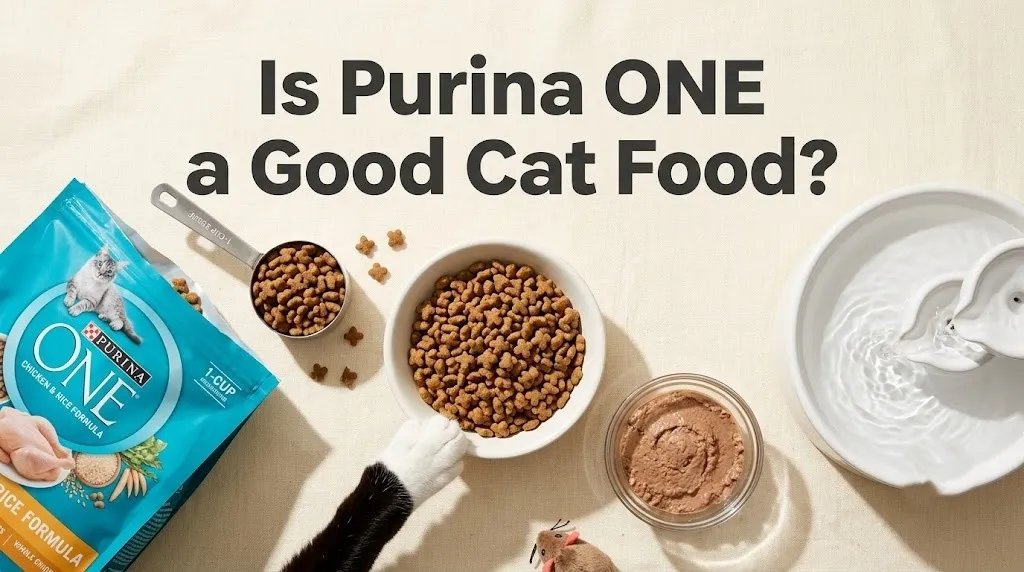
Purina ONE is a good cat food for most healthy adult cats because it meets or exceeds the Association of American Feed Control Officials (AAFCO) nutrient profiles for feline maintenance, uses named animal protein sources as its first ingredients, and is manufactured by a company with board-certified veterinary nutritionists on staff. It is not the absolute best food on the market. It is also not a low-quality filler food masquerading as premium. It sits in the solid mid-tier of cat food, delivering reliable nutrition at a price roughly 30 to 40 percent lower than premium boutique brands. For a cat owner standing in the pet food aisle trying to make a responsible choice without spending $4 per can, Purina ONE is a defensible, evidence-backed decision.
The global pet food market continues to shift rapidly in 2026, driven by ingredient sourcing transparency demands, advances in extrusion technology, and a growing awareness that cats are obligate carnivores whose nutritional needs differ fundamentally from dogs and humans. A 2025 position statement from the American Veterinary Medical Association (AVMA) reinforced that cats require dietary taurine, arachidonic acid, and preformed vitamin A from animal tissue because they cannot synthesize these compounds from plant precursors the way omnivores can. Any evaluation of a cat food must start with whether it delivers these obligate nutrients in bioavailable forms. Purina ONE does. The conversation does not end there, but it starts on solid ground.
This review covers the full Purina ONE dry and wet food lineups as of 2026, examining ingredient lists, guaranteed analysis numbers, the quality of protein and fat sources, the inclusion of grains and fillers, and how the brand stacks up against competitors like Hill’s Science Diet, Royal Canin, Blue Buffalo, and Iams. You will find specific nutrient-by-nutrient comparisons, feeding guidance for different life stages, clear notes on which cats should not eat Purina ONE, and practical answers to the questions cat owners actually type into search bars at midnight when their cat has just rejected a new bag of kibble. Every claim is attributed to a named veterinary or nutritional authority. No vague “vets recommend” language appears without naming the organization.
Purina ONE Brand Overview and Ingredient Philosophy
Purina ONE is a mid-tier cat food line produced by Nestle Purina PetCare, a subsidiary of Nestle S.A. and one of the largest pet food manufacturers in the world. The brand sits above Purina Cat Chow and Friskies in the company’s product hierarchy and below Purina Pro Plan, which is the company’s premium veterinary-channel brand. Purina ONE is widely available in grocery stores, mass-market retailers, and online, which distinguishes it from Pro Plan’s historically pet-specialty and veterinary-clinic distribution model. The ONE line includes both dry kibble and wet canned formulas, with specific recipes for indoor cats, senior cats, kittens, and cats with sensitivities.
The brand’s stated ingredient philosophy centers on what Purina calls “real meat, poultry, or fish as the number one ingredient.” Across the Purina ONE dry food lineup, a named animal protein source does appear first on the ingredient list. In the Purina ONE Tender Selects Blend with Real Chicken formula, for instance, the first ingredient is chicken, followed by brewers rice, corn gluten meal, and poultry by-product meal. The presence of chicken first is a positive structural signal because cats are obligate carnivores whose digestive physiology is optimized for animal tissue. The ingredient list is not a pure whole-prey formulation. Grains and plant protein concentrates appear. The brand makes no grain-free claims, which is consistent with the current veterinary consensus that grain-free formulations in cat food have not been shown to provide health benefits for most cats and have been associated with dilated cardiomyopathy in dogs in formulations where legumes and potatoes replaced grains.
Purina employs board-certified veterinary nutritionists who are diplomates of the American College of Veterinary Nutrition (ACVN). These are veterinarians who completed a residency and passed a board examination in animal nutrition. Their involvement in formulation is a meaningful quality signal. Pet food companies are not legally required to employ a single nutritionist. Anyone with a basic understanding of AAFCO minimums can formulate a diet, and many boutique and smaller brands rely on outside consultants or computer formulation software without in-house veterinary expertise. Purina’s investment in ACVN diplomates does not mean every Purina product is optimal for every cat. It does mean the formulas are designed by people with formal training in feline nutrient requirements, ingredient interactions, and safety.
Key Fact: Purina employs full-time board-certified veterinary nutritionists who oversee formulation, making it one of the small number of pet food manufacturers with this level of in-house expertise.
Nutritional Standards and AAFCO Compliance
Purina ONE dry and wet cat foods are formulated to meet the nutritional levels established by the AAFCO Cat Food Nutrient Profiles for the life stage indicated on the packaging. AAFCO is not a regulatory agency. It is a private, voluntary membership association of feed control officials from state and federal agencies who develop model regulations for animal feed and pet food. When a pet food label states that it is “formulated to meet AAFCO nutrient profiles for adult maintenance,” it means the food has been designed to contain the minimum and, where applicable, maximum concentrations of roughly 40 essential nutrients defined by AAFCO for that life stage.
The distinction between “formulated to meet” and “feeding trial tested” matters. Formulated diets are designed on paper, or in formulation software, to meet nutrient targets. Feeding trial diets have been fed to real cats under AAFCO-specified protocols to confirm that the nutrients are actually bioavailable and that the food supports the stated life stage without causing deficiencies or adverse health effects. Purina conducts AAFCO feeding trials on many of its formulas, and the company’s research facilities in St. Louis, Missouri, operate one of the largest pet nutrition research centers in the world. Purina ONE packaging does not always carry the feeding trial statement, which varies by specific formula within the line. The AAFCO nutrient profile statement is present on every package. When both statements appear, the feeding trial statement carries more weight in the veterinary nutrition community because it confirms real-world performance, not just theoretical formulation.
For cat owners, the practical takeaway is that Purina ONE provides complete and balanced nutrition as defined by the most widely accepted nutrient standards in North America. A cat eating Purina ONE as its sole diet will not develop a taurine deficiency. It will not develop vitamin A deficiency. It will not become deficient in the essential fatty acids it cannot synthesize. These are not academic reassurances. Taurine deficiency in cats causes dilated cardiomyopathy, a potentially fatal heart condition that was widespread in the 1980s before the pet food industry universally adopted taurine supplementation. AAFCO-compliant foods in 2026 provide adequate taurine levels that were established through research conducted partly at Purina’s own facilities.
Protein Sources and Quality Analysis
The protein sources in Purina ONE dry formulas are a mix of named muscle meat, meat by-product meals, and plant protein concentrates. The Purina ONE Tender Selects Blend with Real Chicken lists chicken, poultry by-product meal, corn gluten meal, and soybean meal within the first six ingredients. Each of these contributes protein to the final guaranteed analysis, but they differ in amino acid completeness and bioavailability for a cat.
Chicken as the first ingredient provides muscle meat protein, which is highly digestible and contains all essential amino acids in proportions that closely match feline requirements. However, chicken is roughly 70 percent water by weight. After extrusion and drying, its contribution to the final protein percentage is lower than its position on the ingredient list might suggest because the water weight is driven off during processing, leaving a smaller mass of dry protein. The poultry by-product meal that appears further down the list is actually a more concentrated protein source per pound because it has already been rendered, dried, and ground, removing the water weight. Poultry by-product meal includes nutrient-dense organ meats like liver and heart, which are rich in taurine, vitamin A, and B vitamins. The term “by-product” carries negative connotations in consumer marketing, but in feline nutrition terms, organ meats are more species-appropriate than muscle meat alone. Feral cats eat the liver, heart, and kidneys of their prey first.
Corn gluten meal and soybean meal are plant-based protein concentrates that contribute to the total crude protein percentage but have less favorable amino acid profiles for cats. Corn gluten meal is high in the amino acid methionine but low in lysine and arginine. Soybean meal provides a more complete amino acid profile than corn gluten but contains trypsin inhibitors that are largely deactivated during processing. Plant proteins in cat food are not inherently harmful. They become a nutritional concern only when they displace animal protein to the point where the overall amino acid balance no longer meets feline requirements. The AAFCO compliance statement assures that the final formulation, regardless of ingredient sourcing, meets those requirements.
| Protein Source | Type | Protein by Dry Weight | Key Amino Acids Provided | Feline Bioavailability |
|---|---|---|---|---|
| Chicken (fresh) | Animal muscle meat | ~20% as fed; 70%+ dry matter | All essential amino acids | High |
| Poultry By-Product Meal | Rendered animal organs and tissues | 60 to 65% | Taurine, arginine, lysine, methionine | High |
| Corn Gluten Meal | Plant protein concentrate | 60 to 65% | Methionine, cystine | Moderate; low in lysine |
| Soybean Meal | Plant protein concentrate | 45 to 50% | Lysine, arginine | Moderate; anti-nutritional factors reduced by processing |
Fat Sources and Essential Fatty Acids
Fat in cat food serves three functions. It is a concentrated calorie source at roughly 9 calories per gram compared to 4 calories per gram for protein and carbohydrates. It supplies essential fatty acids that cats cannot synthesize, specifically linoleic acid and arachidonic acid. It carries fat-soluble vitamins and contributes to the food’s palatability. Cats find fatty foods more appealing than lean ones, a preference shaped by evolution that makes fat a necessary tool for ensuring food intake in a species prone to inappetence when food does not taste right.
Purina ONE dry formulas typically list animal fat preserved with mixed-tocopherols as the primary added fat source. Animal fat is a rendered product derived from beef or pork tissue, and it is a common ingredient in mid-tier pet foods. It provides a blend of saturated and unsaturated fatty acids and is highly palatable to cats. The mixed-tocopherols, a form of vitamin E, are a natural preservative system. Purina ONE also includes fish oil in some formulas and soybean oil in others, though the exact blend varies by recipe. Fish oil provides the long-chain omega-3 fatty acids eicosapentaenoic acid (EPA) and docosahexaenoic acid (DHA). DHA is particularly important for kittens, as it supports retinal and neural development, and for senior cats, where omega-3 fatty acids may have an anti-inflammatory role in managing osteoarthritis.
The omega-6 to omega-3 fatty acid ratio in Purina ONE is not published on the label or the company’s website, which is a transparency gap relative to some premium and veterinary brands that disclose fatty acid profiles. Cat foods with high levels of omega-6 relative to omega-3 may promote a pro-inflammatory physiological environment, though the clinical significance of this ratio in otherwise healthy cats fed a complete and balanced diet is debated within veterinary nutrition circles. For most healthy adult cats, the fat sources in Purina ONE are adequate. For cats with inflammatory conditions, skin disease, or renal disease, a diet with a documented higher omega-3 content and lower omega-6 to omega-3 ratio may be a more appropriate choice. A veterinarian familiar with the individual cat’s condition can make that determination.
Key Takeaway: Purina ONE meets AAFCO standards for complete and balanced nutrition, uses a combination of animal and plant proteins with the animal sources listed first, and is formulated by qualified veterinary nutritionists. The brand provides solid mid-tier nutrition that will not cause deficiencies in a healthy cat.
Grains, Fillers, and Carbohydrate Content
The term “filler” is a consumer marketing word, not a nutritional or regulatory term. No ingredient in AAFCO-compliant cat food is legally or nutritionally a filler in the sense of providing zero nutritional value. Every ingredient serves at least one function: providing calories, protein, fat, fiber, vitamins, minerals, or structural properties that allow the kibble to hold its shape and survive extrusion, drying, and shipping. When cat owners ask whether Purina ONE contains fillers, what they are usually asking is whether it contains ingredients that contribute calories and bulk without providing species-appropriate nutrition for an obligate carnivore. The answer is more nuanced than yes or no.
Purina ONE dry formulas contain brewers rice, corn gluten meal, whole grain corn, and soybean meal, all of which are plant-based ingredients that contribute carbohydrates and varying amounts of protein. Brewers rice is the small, broken fragments of milled rice left over from the human rice processing industry. It is a highly digestible carbohydrate source that provides energy and contributes to the kibble’s texture. It is not nutritionally empty. It delivers roughly 3.5 calories per gram, comparable to most carbohydrate sources, and its starch gelatinizes during extrusion to bind the kibble together. It is not a species-appropriate nutrient source for an obligate carnivore in the way that animal tissue is, but it is not sawdust either. It is carbohydrate energy in a convenient, shelf-stable, digestible form.
The carbohydrate content of Purina ONE dry food is not listed on the guaranteed analysis because AAFCO does not require carbohydrate disclosure. It can be estimated by subtracting the percentages of protein, fat, fiber, moisture, and ash from 100. For the Purina ONE Tender Selects Blend, the estimated carbohydrate content on a dry matter basis is roughly 30 to 35 percent. This is typical for mid-tier dry cat foods and is higher than what a cat would consume in a whole-prey diet, which contains roughly 2 to 5 percent carbohydrates from the stomach contents and glycogen stores of the prey animal. Whether this carbohydrate level poses a health risk depends on the individual cat. Healthy cats efficiently digest and metabolize dietary carbohydrates, absorbing glucose in the small intestine and producing adequate insulin. Cats with diabetes mellitus or obesity may benefit from a lower-carbohydrate prescription diet, which Purina offers through its veterinary line but not typically through the Purina ONE retail line. A veterinarian should guide diet selection for cats with these conditions.
Wet Versus Dry Purina ONE Formulas
Wet and dry Purina ONE formulas differ nutritionally in ways that matter for feline health, particularly for hydration, carbohydrate content, and calorie density. The choice between them should be driven by the individual cat’s health status, preferences, and the owner’s feeding logistics, not by a blanket belief that one format is always superior.
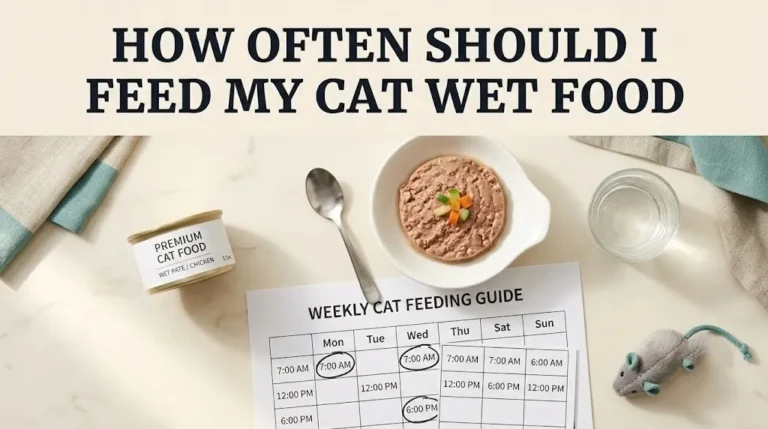
Purina ONE wet canned foods contain roughly 78 to 82 percent moisture, which closely approximates the water content of a cat’s natural prey. This high moisture content supports urinary tract health by increasing total water intake and diluting the urine. Cats have a low thirst drive compared to dogs, a trait inherited from their desert-dwelling ancestors, and they often do not drink enough water at a bowl to fully compensate for the low moisture content of dry food. The link between chronic low-grade dehydration from dry-food-only diets and urinary crystal formation, particularly struvite and calcium oxalate crystals, is well-documented in veterinary literature. A 2024 review in the Journal of Feline Medicine and Surgery reinforced the clinical consensus that increasing water turnover, whether through wet food, water fountains, or both, is a first-line strategy for cats with a history of lower urinary tract disease.
Purina ONE dry formulas contain roughly 12 percent moisture, making them far more calorie-dense by weight. A cup of Purina ONE dry food delivers roughly 350 to 400 calories, while a 3-ounce can of Purina ONE wet food delivers roughly 70 to 100 calories. For a cat owner feeding a 10-pound cat that needs roughly 200 to 250 calories per day, dry food is more economical and easier to store. The trade-off is hydration and carbohydrate content. Wet formulas contain fewer carbohydrates simply because the high moisture displaces other macronutrients. The practical compromise that many veterinary nutritionists endorse is a mixed diet: primarily wet food for hydration with a small amount of dry food for dental mechanical action, calorie adjustment, or owner convenience. The dental benefit of dry food for cats is modest at best, as most cats do not chew kibble thoroughly enough to produce meaningful abrasion, but the combination approach is a reasonable middle path.
| Format | Moisture | Protein (Dry Matter) | Fat (Dry Matter) | Estimated Carbs (Dry Matter) | Calories per Serving |
|---|---|---|---|---|---|
| Purina ONE Dry (Chicken) | 12% | 34 to 38% | 13 to 15% | 30 to 35% | 350-400 per cup |
| Purina ONE Wet (Chicken Pate) | 78% | 45 to 50% | 25 to 30% | 10 to 15% | 70-100 per 3 oz can |
| Purina ONE Wet (Gravy Varieties) | 82% | 42 to 48% | 22 to 28% | 12 to 18% | 65-90 per 3 oz can |
Purina ONE for Different Life Stages
Purina ONE offers formulas specifically designed for kittens, adult cats, and senior cats, with nutrient profiles adjusted for each life stage’s distinct requirements. These life-stage distinctions are not marketing. They reflect real differences in protein needs, calorie density, and specific nutrient levels that AAFCO defines separately for growth and reproduction versus adult maintenance.
Purina ONE Healthy Kitten Formula is designed for cats from weaning through roughly 12 months of age. It provides 40 percent protein and 18 percent fat on a dry matter basis, both higher than the adult maintenance formula, because kittens need concentrated energy and amino acids to support rapid tissue growth. The DHA content is specifically listed on the packaging, drawn from fish oil, to support brain and eye development. The kibble size is smaller to accommodate smaller mouths. Switching from kitten to adult formula should happen gradually around 12 months, over a 7 to 10 day transition period of mixing increasing proportions of the new food with decreasing proportions of the old.
Purina ONE Senior 7+ Formula targets cats aged seven years and older with a moderate protein level, controlled phosphorus, and added antioxidants. The phosphorus moderation is relevant because older cats have a higher prevalence of chronic kidney disease, and dietary phosphorus restriction can slow disease progression in cats with established renal insufficiency. A healthy senior cat with normal kidney function does not require phosphorus restriction, but the moderate level in the senior formula is generally considered safe for both healthy seniors and those with early, undiagnosed kidney changes. The antioxidant blend, including vitamin E and beta-carotene, is included to address the age-related decline in immune function documented in feline gerontology research.
A cat’s breed, body condition, and underlying health status affect which life-stage formula is actually appropriate. A 12-year-old Maine Coon with hyperthyroidism has different nutritional needs than a 12-year-old Siamese with early kidney disease. A veterinarian familiar with the individual animal should be involved in the decision, particularly for cats with diagnosed medical conditions. Purina ONE is a retail line. It is not formulated to manage specific diseases. Cats with diabetes, renal disease, urinary crystals, food allergies, or inflammatory bowel disease often need a prescription or veterinary therapeutic diet that Purina’s Pro Plan Veterinary Diets line addresses more precisely.
Common Allergens and Sensitivities
Food allergies in cats most commonly involve protein sources rather than grains. The proteins most frequently implicated in feline food allergies are beef, fish, chicken, and dairy products, according to a 2023 review of feline dermatology cases published in Veterinary Dermatology. This is counterintuitive to many cat owners who have been told by marketing that grains are the primary culprit in food sensitivities. The clinical data tells a different story. When cats develop true IgE-mediated food allergies, they are reacting to a specific protein, not to corn or rice.
Purina ONE formulas that use chicken, beef, or fish as their primary protein may trigger symptoms in a cat allergic to that specific protein. Symptoms of food allergy in cats typically include pruritus, particularly around the head and neck, miliary dermatitis, eosinophilic granuloma complex lesions, and gastrointestinal signs such as vomiting or diarrhea. These symptoms overlap with environmental allergies, flea allergy dermatitis, and other conditions. Diagnosing a food allergy requires an elimination diet trial using either a novel protein source the cat has never eaten or a hydrolyzed protein diet where the protein molecules are broken into fragments too small to trigger an immune response. This trial must last 8 to 12 weeks and must be conducted under veterinary supervision to be diagnostic.
Purina ONE offers a Sensitive Skin and Stomach formula that uses turkey as the primary protein, which may be a suitable option for cats with chicken sensitivity, though cross-reactivity between poultry proteins can occur. The formula also excludes common grains and uses oatmeal as its primary carbohydrate, which is highly digestible and less likely to cause gastrointestinal upset in cats with sensitive digestive tracts. This formula is not a prescription hypoallergenic diet. It is a limited-ingredient retail option that may help some cats with mild sensitivities but will not be adequate for a cat with a confirmed food allergy requiring strict protein source isolation.
Key Takeaway: Wet food supports hydration and urinary tract health. Dry food is more calorie-dense and cost-effective. A combination of both, with wet food providing the majority of calories, is the most common veterinary nutrition recommendation for healthy adult cats without specific medical conditions that dictate one format over the other.
Is Purina ONE Cat Food Good for the Price?
Purina ONE delivers a strong nutritional value for its price point compared to both cheaper grocery-store brands and more expensive premium and boutique competitors. The ingredient quality, AAFCO compliance, veterinary nutritionist formulation, and manufacturing quality control place it above economy brands like Friskies, 9Lives, or Meow Mix, which use more plant protein fractions and unnamed animal by-products. The brand’s position below Purina Pro Plan and premium competitors like Hill’s Science Diet and Royal Canin is reflected in its ingredient list, which includes more plant protein concentrates and fewer specialized functional ingredients like specific fatty acid ratios, prebiotic blends, or patented antioxidant complexes.
A 7-pound bag of Purina ONE dry cat food costs roughly $18 to $22 in 2026 U.S. retail pricing, producing a cost of approximately $0.50 to $0.65 per day for a 10-pound cat. A comparable bag of Purina Pro Plan costs roughly $28 to $35, producing a daily cost of $0.80 to $1.00. Hill’s Science Diet sits at a similar price to Pro Plan. Royal Canin is typically slightly higher. Blue Buffalo, a natural-brand competitor, sits between Purina ONE and Pro Plan in price. The question is whether the incremental cost buys proportionate incremental nutritional benefit for the specific cat eating the food.
For a healthy adult indoor cat with no medical conditions, the nutritional difference between Purina ONE and Purina Pro Plan is likely small. The Pro Plan formulas often include guaranteed levels of omega-3 fatty acids, live probiotics, and specific amino acid fortifications that the ONE line does not. These ingredients have documented benefits in research settings. Whether those benefits translate to measurably different health outcomes in a well-cared-for indoor cat over a 15-year lifespan is a harder question to answer, and the research has not been done. The cat owner who can afford Pro Plan without financial strain and who wants the additional functional ingredients is making a reasonable choice. The cat owner who cannot afford Pro Plan, or who prefers to allocate pet budget to annual bloodwork and dental cleanings instead, is also making a reasonable choice by feeding Purina ONE.
| Brand | Protein (Dry Matter) | First Ingredient | Key Protein Sources | Daily Cost (10 lb cat) | Veterinary Nutritionist on Staff |
|---|---|---|---|---|---|
| Purina ONE | 34 to 38% | Chicken | Chicken, poultry by-product meal, corn gluten meal | $0.50-$0.65 | Yes (Nestle Purina) |
| Purina Pro Plan | 40 to 45% | Chicken | Chicken, poultry by-product meal, fish meal, egg product | $0.80-$1.00 | Yes (Nestle Purina) |
| Hill’s Science Diet | 32 to 36% | Chicken | Chicken, pork meal, pea protein | $0.80-$1.00 | Yes (Colgate-Palmolive) |
| Blue Buffalo | 34 to 40% | Deboned Chicken | Deboned chicken, chicken meal, fish meal | $0.70-$0.90 | Yes (General Mills) |
| Iams ProActive Health | 32 to 36% | Chicken | Chicken, chicken by-product meal, corn gluten meal | $0.40-$0.55 | Yes (Mars Petcare) |
Recalls, Safety Record, and Manufacturing
Purina ONE’s safety record is generally strong, with no recent major recalls that would disqualify the brand from recommendation. Purina is a large, global manufacturer with extensive quality control infrastructure, including on-site laboratories, ingredient testing protocols, and manufacturing facilities that undergo regular FDA inspections. No pet food manufacturer is immune to recalls. The question is whether the company’s quality systems catch problems before product reaches the market and how transparently the company handles issues when they arise.
The last recall involving Purina ONE specifically occurred in 2013, when a limited number of Purina ONE Beyond dry dog food bags were recalled due to potential salmonella contamination. That recall did not affect cat products and was resolved without reported illness. Purina’s broader brand portfolio has experienced occasional voluntary recalls, most notably a 2023 recall of Purina Pro Plan Veterinary Diets EL Elemental prescription dry dog food due to elevated vitamin D levels. Vitamin D toxicity in dogs can cause hypercalcemia, renal failure, and death at high enough doses. The recall was voluntary, notification was rapid, and no Purina ONE products were affected. The incident demonstrates both that manufacturing errors occur even at large companies and that Purina’s quality systems detected the problem and initiated a recall.
The manufacturing of Purina ONE takes place in Purina-owned facilities in the United States. The company states that it sources ingredients primarily from the U.S., with some vitamins and minerals sourced internationally. Ingredient sourcing transparency has become a major consumer demand in 2026, and Purina has responded with a “traceability” page that maps ingredient origins in general terms. The level of detail is less granular than some smaller, premium brands that publish batch-specific protein source lot numbers, but it is more transparent than many economy brands that disclose almost nothing about sourcing.
Key Takeaway: For a healthy adult cat, Purina ONE delivers roughly 80 to 90 percent of the nutritional quality of premium brands at 60 to 70 percent of the price. The money saved on food can fund annual veterinary care, which likely has a greater impact on long-term feline health than the marginal difference between mid-tier and premium food.
When Purina ONE Is Not the Right Choice
Purina ONE is not the right food for every cat. Cats with diagnosed medical conditions often need therapeutic diets formulated for their specific disease process, and these diets are available through veterinary channels, not retail shelves. Feeding Purina ONE to a cat with chronic kidney disease, for instance, would mean feeding a diet with a phosphorus level higher than the restricted level that slows disease progression. Feeding Purina ONE to a cat with confirmed food allergy would not provide the protein source isolation required. The brand is designed for healthy cats or cats with only mild, undiagnosed sensitivities. It is not a disease-management tool.
Cats with feline lower urinary tract disease, including a history of struvite or calcium oxalate crystals or urethral obstruction, often benefit from therapeutic urinary diets that manipulate urine pH, mineral content, and water turnover. Purina offers these diets through the Pro Plan Veterinary Diets line, not through the Purina ONE retail line. The same applies to cats with diabetes mellitus, where low-carbohydrate prescription diets can reduce insulin requirements in some cats, and cats with inflammatory bowel disease, where a hydrolyzed or novel-protein diet may be necessary to control gastrointestinal inflammation.
Overweight and obese cats present another scenario where Purina ONE may not be optimal. The brand offers a Healthy Weight formula with reduced calorie density and added L-carnitine, an amino acid involved in fatty acid metabolism. This formula is appropriate for some overweight cats. For cats with severe obesity or obesity-related comorbidities, a veterinary weight-management diet with more aggressive calorie restriction, higher protein-to-calorie ratio, and controlled micronutrient density may be indicated. A veterinarian should calculate the cat’s ideal body weight, set a target calorie intake, and recommend a specific food that meets those nutritional parameters within the calorie budget.
Cats who should not eat Purina ONE, or should only eat it under veterinary guidance, include:
- Cats with diagnosed chronic kidney disease
- Cats with confirmed food allergies requiring a hydrolyzed or novel protein diet
- Cats with a history of urethral obstruction or recurrent urinary crystals
- Cats with poorly regulated diabetes mellitus
- Cats with inflammatory bowel disease requiring strict dietary management
- Cats with severe obesity requiring aggressive weight loss supervision
How to Transition a Cat to Purina ONE
Transitioning a cat to a new food requires patience and a gradual approach that respects feline food neophobia, a survival trait that makes cats suspicious of unfamiliar foods. An abrupt switch can cause gastrointestinal upset, including vomiting and diarrhea, and may trigger a food aversion where the cat refuses the new food entirely. The standard transition protocol stretches over 7 to 10 days and involves progressively increasing the proportion of the new food while decreasing the old.
The transition is a good moment to evaluate whether the cat needs a specific Purina ONE formula rather than the standard adult blend. A senior cat may need the Senior 7+ formula. An indoor cat with a sedentary lifestyle may benefit from the Indoor Advantage formula with its controlled calorie density and hairball-control fiber blend. A cat that has been vomiting frequently or showing signs of skin irritation may benefit from the Sensitive Skin and Stomach formula. Choosing the right formula within the Purina ONE line is as important as choosing the brand in the first place.
To transition a cat to Purina ONE:
- Days 1 through 3: Mix 25 percent Purina ONE with 75 percent current food at the usual meal times.
- Days 4 through 6: Mix 50 percent Purina ONE with 50 percent current food, watching for any soft stool, vomiting, or decreased appetite.
- Days 7 through 9: Mix 75 percent Purina ONE with 25 percent current food. The cat should be eating the mixture readily by this point.
- Day 10 onward: Feed 100 percent Purina ONE. Continue monitoring stool consistency for another week.
- If vomiting, diarrhea, or appetite loss occurs at any stage, stay at the current ratio for an additional 2 to 3 days before increasing.
Some cats will refuse the new food even at the 25 percent inclusion level. Warming wet food slightly to body temperature, roughly 100 degrees Fahrenheit, increases its aroma and palatability. For dry food, mixing a small amount of warm water or low-sodium chicken broth over the kibble and letting it sit for a minute can release aromas that entice hesitant eaters. If the cat refuses the food after a full 10-day transition attempt, the cat is not being stubborn. It is genuinely telling you this food does not work for its individual palate, and a different formula or brand may be necessary.
Frequently Asked Questions About Purina ONE Cat Food
Is Purina ONE better than Purina Cat Chow?
Purina ONE is a higher-quality food than Purina Cat Chow because it uses more named animal protein sources and fewer plant protein fractions.
Purina ONE lists real meat as its first ingredient across all formulas, while Purina Cat Chow often lists corn or corn gluten meal first.
Purina ONE also has a higher protein percentage on a dry matter basis and employs more targeted life-stage formulations.
Do vets recommend Purina ONE?
Many veterinarians recommend Purina ONE as a solid mid-tier option for healthy cats because it meets AAFCO standards and is formulated by board-certified veterinary nutritionists.
Veterinarians who stock prescription diets in their clinics typically recommend Purina Pro Plan Veterinary Diets for cats with medical conditions.
The retail Purina ONE line is not a therapeutic diet and is not appropriate for cats with specific diagnosed diseases.
Is Purina ONE grain-free?
Purina ONE is not marketed as grain-free, and most formulas contain grains such as brewers rice, corn, or oatmeal as carbohydrate sources.
The brand’s position aligns with the current veterinary consensus that grain-free cat foods have not demonstrated health benefits over grain-inclusive formulas for most cats.
Cats with confirmed grain allergies, which are rare compared to animal protein allergies, may need a grain-free or limited-ingredient diet identified through an elimination trial.
Can kittens eat Purina ONE adult formula?
Kittens should not eat adult Purina ONE formula because it lacks the higher protein, fat, and DHA levels that kittens need for brain and tissue development.
The Purina ONE Healthy Kitten Formula is specifically designed for growing cats and should be fed until roughly 12 months of age.
Feeding adult food to a kitten risks nutrient deficiencies during the most demanding growth period of the cat’s life.
Is Purina ONE dry food good for cats’ teeth?
Dry food provides only a modest dental benefit for cats because most cats swallow kibble whole or fracture it without producing meaningful abrasion against the tooth surface.
The mechanical action of chewing dry food does not replace regular dental care such as brushing or professional cleanings.
A cat’s dental health depends more on genetics, regular veterinary dental evaluations, and home care than on whether the diet is dry or wet.
Purina ONE is a good cat food. Not the best available at any price. Not a prescription-grade therapeutic diet. It is a reliable, AAFCO-complete, mid-tier food that will support a long and healthy life in a cat without specific medical conditions. The ingredient list uses real animal protein sources, the manufacturing quality control is strong, and the price makes responsible nutrition accessible to households that cannot justify premium prices. A cat eating Purina ONE, receiving annual veterinary care, maintaining a healthy body weight, and drinking adequate water is a cat whose nutritional needs are being met.
If your cat is healthy and you are standing in the pet food aisle feeling overwhelmed by choices and price tags, Purina ONE is a defensible place to land. Feed the formula that matches your cat’s life stage. Feed a mix of wet and dry if your budget allows. Watch the body condition. Adjust portions if the ribs disappear under a layer of fat. Bring the bag to the next veterinary visit and ask your vet directly whether this specific formula is still right for your specific cat, given their current exam findings and any bloodwork results.
The food is one variable in a much larger health equation. A good diet plus annual exams, dental care, weight management, environmental enrichment, and a calm home will do more for your cat than any single brand choice ever could. Purina ONE covers the dietary baseline reliably. Build everything else around it.