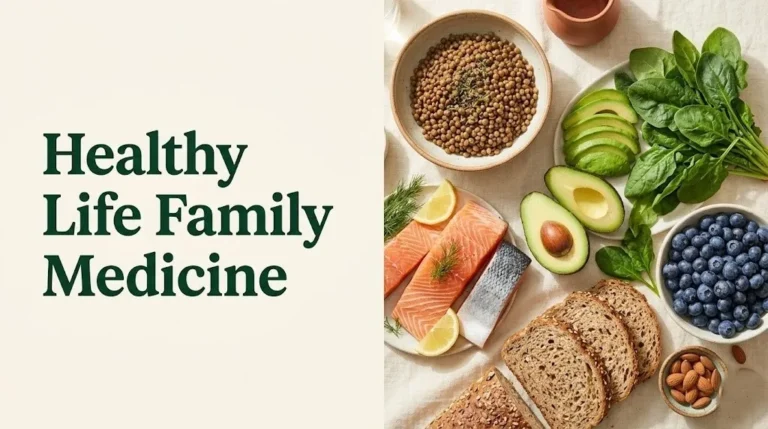
A relaxing healthy center approach to eating is not a program, a membership, or a retreat. It is a specific way of building your plate around foods and nutrients that genuinely support your nervous system, stabilize your energy, and help your body manage daily stress more effectively.
The connection between food and mental calm is documented at the physiological level. According to the American Psychological Association, chronic stress directly influences food choices, and food choices in turn directly affect how the body produces and regulates stress hormones. That relationship runs both ways.
This guide covers the specific foods, nutrients, meal structures, and daily habits behind a relaxing healthy center approach. You will find real food choices, real nutrient targets, and clear guidance on who should be thoughtful about certain options.
Relaxing Healthy Center: The Core Idea Explained
A relaxing healthy center approach centers your diet on foods that actively support your body’s calm-signaling systems, rather than foods that spike blood sugar, trigger inflammation, or disrupt sleep.
Think of your nervous system like a city’s electrical grid. It runs steadily when the supply is consistent and the load is manageable. Highly processed, high-sugar meals are like sudden power surges: they force the system to work harder and burn out faster.

The USDA Dietary Guidelines for Americans (2020-2025) consistently link dietary patterns rich in vegetables, whole grains, lean proteins, and healthy fats to better mental and physical health outcomes. The relaxing healthy center concept builds directly from that evidence base.
This is not a fad. It is applied nutritional science. And it works best when practiced as a daily pattern, not an occasional healthy meal between otherwise chaotic eating.
| Core Principle | What It Means in Practice |
|---|---|
| Nutrient density over caloric volume | Prioritize foods with high mineral and vitamin content per calorie |
| Blood sugar stability | Eat protein and fiber at every meal to slow glucose absorption |
| Anti-inflammatory focus | Emphasize omega-3-rich foods, leafy greens, and polyphenol-rich plants |
| Minimal ultra-processed food | Reduce foods with artificial additives that disrupt gut-brain signaling |
What Does a Relaxing Healthy Center Actually Mean?
A relaxing healthy center is best understood as a personal food philosophy built around supporting your body’s parasympathetic nervous system, the system responsible for rest, digestion, and calm.
The phrase is not a clinical term. It describes a collection of evidence-based dietary choices that collectively help the body shift out of the stress-response mode it defaults to under modern life conditions. The operative word is “collective”: no single food produces lasting calm, but a consistent pattern does.
Research published in the journal Nutrients in 2023 found that individuals who followed anti-inflammatory dietary patterns reported lower perceived stress scores compared to those with high ultra-processed food intake. The mechanism involves multiple pathways: gut microbiome diversity, inflammatory cytokine regulation, and neurotransmitter precursor availability.
In practical terms, a relaxing healthy center eating approach means:
- Eating regular meals at consistent times to support blood sugar stability
- Building plates around magnesium-rich, tryptophan-containing, and omega-3-rich foods
- Reducing dietary stimulants and high-glycemic foods that spike then crash energy
- Including specific herbal and plant-based drinks shown to support calm without sedation
This is food as a system, not food as individual choices. That systemic approach is exactly what competitors in this space fail to explain.
Foods That Support Relaxation and Calm Energy
The most effective foods for relaxation and calm energy are those that provide precursors to calming neurotransmitters, support the parasympathetic nervous system, or reduce inflammatory load.
These are not exotic or expensive foods. Many are in your kitchen already.
Key calm-supportive foods include:
- Pumpkin seeds (Cucurbita pepo seeds): One of the most concentrated dietary sources of magnesium, with 156 mg per 1 oz serving according to the NIH Office of Dietary Supplements. Magnesium is required for GABA (gamma-aminobutyric acid) receptor function, the brain’s main calming neurotransmitter system.
- Oats (Avena sativa): Rich in complex carbohydrates that support the transport of L-tryptophan across the blood-brain barrier for serotonin production.
- Atlantic salmon (Salmo salar): Provides 1.24g of docosahexaenoic acid (DHA) and eicosapentaenoic acid (EPA) per 3 oz cooked serving (USDA data), both linked to reduced neuroinflammation.
- Leafy greens (spinach, kale): Rich in folate and magnesium. A cup of cooked spinach provides approximately 157 mg of magnesium.
- Dark chocolate (70% or higher cacao): Contains flavonoids that improve cerebral blood flow. A 2014 study in the Journal of Psychopharmacology found that daily consumption of dark chocolate was associated with improved calmness and contentedness ratings in healthy adults.
- Eggs: One whole egg provides 0.42 mcg of vitamin B12 (cobalamin) and meaningful amounts of choline, both involved in nervous system function and mood regulation.
People with nut allergies, fish allergies, or celiac disease should note that oats are cross-contamination risks unless certified gluten-free. Pumpkin seeds are generally well-tolerated across most dietary restrictions and make a good starting point.
Key Takeaway: A relaxing healthy center approach is a consistent dietary pattern built around magnesium, tryptophan, omega-3 fatty acids, and anti-inflammatory foods. No single meal changes your stress chemistry, but a repeated daily pattern does.
Calming Nutrients: Magnesium, Tryptophan, L-Theanine, and B Vitamins
The four nutrient families most directly linked to dietary calm are magnesium, L-tryptophan (an essential amino acid), L-theanine (gamma-ethylamino-L-glutamic acid), and the B vitamin complex, particularly pyridoxine (vitamin B6) and cobalamin (vitamin B12).
Each works through a distinct pathway. Magnesium acts as a natural regulator of NMDA (N-methyl-D-aspartate) receptors and supports GABA activity, the brain’s primary inhibitory system. Tryptophan is the dietary precursor to serotonin and melatonin. L-theanine, found primarily in green tea, promotes alpha-wave brain activity (the calm-but-alert state) without causing drowsiness. B vitamins are essential cofactors in the synthesis of serotonin, dopamine, and norepinephrine.
According to the NIH Office of Dietary Supplements, the recommended dietary allowance (RDA) for magnesium is 420 mg/day for adult men and 320 mg/day for adult women. Most American adults fall significantly short of this target through diet alone.
| Nutrient | Best Food Sources | Amount per Serving | Key Function |
|---|---|---|---|
| Magnesium | Pumpkin seeds, spinach, lentils | 156 mg / 1 oz (seeds) | GABA support, muscle relaxation |
| L-Tryptophan | Turkey, eggs, oats, pumpkin seeds | 410 mg / 3 oz turkey | Serotonin and melatonin precursor |
| L-Theanine | Green tea, matcha | 20-25 mg / 8 oz cup | Alpha-wave brain activity |
| Vitamin B6 (Pyridoxine) | Chickpeas, salmon, potatoes | 1.1 mg / 1 cup chickpeas | Neurotransmitter synthesis |
| Vitamin B12 (Cobalamin) | Eggs, salmon, fortified cereals | 2.6 mcg / 3 oz salmon | Myelin sheath and mood regulation |
People on metformin (commonly prescribed for type 2 diabetes) should know that long-term use can deplete vitamin B12. If you take metformin, your healthcare provider should be monitoring your B12 levels regularly, as a deficiency here can contribute to fatigue and mood changes independent of diet.
Omega-3 Fatty Acids and Mood Support
Omega-3 fatty acids, specifically docosahexaenoic acid (DHA) and eicosapentaenoic acid (EPA), are among the most studied dietary compounds in the area of mood and mental calm.
DHA makes up approximately 40% of the polyunsaturated fatty acids in the brain according to the NIH. It is a structural component of neuronal cell membranes, directly affecting how efficiently brain cells communicate.
A meta-analysis published in the American Journal of Clinical Nutrition found that omega-3 supplementation was associated with modest but statistically meaningful reductions in anxiety symptoms across multiple study populations. EPA appears to be particularly effective for mood, while DHA supports overall cognitive function and anti-inflammatory signaling.
Top dietary sources of omega-3 fatty acids include:
- Atlantic salmon (Salmo salar): 1.24g DHA + EPA per 3 oz cooked (USDA)
- Walnuts (Juglans regia): 2.57g of alpha-linolenic acid (ALA) per 1 oz, which the body can partially convert to DHA and EPA
- Chia seeds (Salvia hispanica): 5g ALA per 1 oz
- Flaxseed (Linum usitatissimum): 6.5g ALA per 1 oz ground
- Mackerel, sardines, and herring: High EPA and DHA, often more affordable than salmon
The conversion rate of plant-based ALA to EPA and DHA is low, typically under 10% according to Harvard T.H. Chan School of Public Health estimates. Vegans and vegetarians should consider algae-derived DHA and EPA supplements (sourced from Schizochytrium sp. or Nannochloropsis sp.), which bypass the conversion pathway entirely.
People on anticoagulant medications such as warfarin should discuss high-dose omega-3 intake with the provider managing their anticoagulation therapy, as high-dose supplementation may affect clotting time.
How Food Affects Cortisol and Your Stress Response
Cortisol, the body’s primary stress hormone, is produced by the adrenal glands as part of the hypothalamic-pituitary-adrenal (HPA) axis response. Diet directly influences how much cortisol your body produces and how quickly it clears.
High-sugar meals and refined carbohydrates cause rapid spikes in blood glucose, which trigger an insulin response. That response, when repeated throughout the day, creates energy instability that the body reads as a low-grade stressor, keeping cortisol levels elevated. Think of it like leaving your car alarm on a hair trigger: even small vibrations set it off repeatedly, draining the battery over time.
Key Takeaway: The foods that spike your blood sugar are not just an energy problem. They are a cortisol problem. Stabilizing blood glucose through protein, fiber, and healthy fat is one of the most effective daily strategies for keeping your stress response from running on overdrive.
According to a 2022 review in the journal Nutrients, dietary patterns high in refined sugar and low in fiber were associated with elevated morning cortisol levels in otherwise healthy adults.
Specific foods that support healthy cortisol regulation include:
- Phosphatidylserine-rich foods: Found in soy lecithin and egg yolks. Research published in the Journal of the International Society of Sports Nutrition showed phosphatidylserine reduced exercise-induced cortisol response.
- Vitamin C-rich foods: Bell peppers (Capsicum annuum) and citrus fruits. The adrenal glands have one of the highest vitamin C concentrations in the body. Adequate intake supports adrenal function.
- Ashwagandha (Withania somnifera): Not technically a food but increasingly consumed as a food additive or tea ingredient. A double-blind study in the Journal of the American Nutraceutical Association found 300mg of root extract twice daily reduced cortisol levels by approximately 27.9% in chronically stressed adults.
People with autoimmune thyroid conditions (Hashimoto’s thyroiditis, Graves’ disease) should approach ashwagandha carefully and discuss it with the endocrinologist managing their condition, as it may influence thyroid hormone levels.
Key Takeaway: Cortisol is not just triggered by life events. It is triggered by blood sugar instability, chronic inflammation, and specific nutritional deficiencies. Addressing those through diet is a meaningful and evidence-supported way to reduce background stress load.
A Practical Healthy Center Meal Plan for Calm Energy
A practical relaxing healthy center meal plan does not require calorie counting or complex food preparation. It requires consistent patterns built around the nutrient clusters covered in this guide.
Here is a sample one-day plan built around calming nutrient density:
| Meal | Foods | Key Calming Nutrients |
|---|---|---|
| Breakfast | Oatmeal + pumpkin seeds + banana | Tryptophan, magnesium, potassium |
| Mid-morning | Green tea + hard-boiled egg | L-theanine, B12, choline |
| Lunch | Salmon salad + dark leafy greens + olive oil dressing | DHA/EPA, magnesium, folate, oleocanthal |
| Afternoon snack | Walnuts + dark chocolate (1 oz each) | ALA omega-3, flavonoids, magnesium |
| Dinner | Lentil soup + whole grain bread + steamed broccoli | Folate, vitamin B6, magnesium, fiber |
| Evening | Chamomile tea | Apigenin (a flavonoid that binds GABA receptors) |
Total estimated magnesium from this pattern: approximately 360 to 400 mg, approaching the adult female RDA and approximately 85% of the adult male RDA.
People managing type 2 diabetes or following a low-carbohydrate diet should adjust the oatmeal and whole grain portions. Lentils are a lower-glycemic protein option that works well in that context. A registered dietitian can help calibrate specific carbohydrate targets without eliminating calming nutrient sources.
Meal Timing and Relaxation: When You Eat Matters
Meal timing affects your body’s stress response just as much as what you eat. Irregular eating patterns create blood sugar instability, which directly feeds cortisol cycling and the fatigue-anxiety spiral many people experience mid-afternoon.
The body’s circadian rhythm governs both cortisol production and digestive efficiency. Cortisol naturally peaks in the early morning and declines through the day. Eating in alignment with this rhythm, with larger, nutrient-dense meals earlier and lighter meals in the evening, supports this natural pattern.
Research from Harvard T.H. Chan School of Public Health has consistently shown that late-night eating, particularly of high-fat or high-sugar foods, disrupts sleep architecture. Poor sleep independently elevates morning cortisol, creating a loop that diet timing can help interrupt.
Practical timing principles for calm energy:
- Eat within 60-90 minutes of waking: Skipping breakfast pushes cortisol higher for longer.
- Space meals 4 to 5 hours apart: This supports stable blood glucose without grazing patterns.
- Have your largest protein portion at lunch: This supports serotonin precursor availability through the afternoon.
- Finish eating 2 to 3 hours before bed: Digestion during sleep impairs both sleep quality and overnight cortisol clearing.
People who work night shifts have a structurally disrupted circadian rhythm. The timing guidance above applies relative to your wake time, not the clock on the wall. Night-shift workers benefit from the same nutrient principles, applied to their adjusted daily schedule.
Calming Breakfast Ideas From a Healthy Center Approach
Breakfast is the single most impactful meal for cortisol management and calm energy because it sets the blood glucose pattern for the rest of the day. A high-sugar breakfast at 7am can affect your stress reactivity at 2pm.
The goal for a calm-energy breakfast is protein plus slow-release carbohydrate plus one calming mineral source. That combination slows glucose absorption, provides tryptophan for the serotonin pathway, and delivers magnesium or B vitamins without relying on supplements.
Calming breakfast options from a healthy center approach:
- Steel-cut oats (Avena sativa) with 1 oz pumpkin seeds and a sliced banana: Delivers complex carbohydrate, tryptophan, magnesium, and potassium. Takes approximately 20 minutes to cook but can be made the night before.
- Scrambled eggs with sautéed spinach and 1 slice whole grain toast: High protein, B12, choline, magnesium, and folate in one plate.
- Greek yogurt (plain, full-fat) with walnuts and a drizzle of raw honey: Provides tryptophan from dairy protein, ALA omega-3 from walnuts, and small amounts of natural antimicrobial compounds from raw honey (Apis mellifera honey).
- Whole grain toast with almond butter (Prunus amygdalus butter) and sliced strawberries: Vitamin E, magnesium, vitamin C, and fiber.
People with a dairy allergy or lactose intolerance can substitute coconut yogurt (Cocos nucifera) or fortified soy yogurt (Glycine max) for the Greek yogurt option. Soy also contains tryptophan and is one of the most complete plant-based proteins available.
Key Takeaway: What you eat at breakfast shapes your stress chemistry for hours. Protein, magnesium, and slow-release carbohydrates at the first meal are more effective for daytime calm than most supplements marketed for relaxation.
Herbal Teas and Plant-Based Drinks for Relaxation
Herbal teas are among the most evidence-supported, low-risk additions to a relaxing healthy center eating plan. Several specific plants have meaningful research behind their calming effects through identified compounds, not vague wellness claims.
Chamomile tea (Matricaria chamomilla) contains apigenin, a flavonoid that binds to benzodiazepine receptors in the brain, the same receptors targeted by some anti-anxiety medications (though with far milder effect). A 2016 randomized controlled trial published in Phytomedicine found long-term chamomile extract use reduced generalized anxiety disorder symptoms compared to placebo, with relapse prevention effects.
Green tea (Camellia sinensis) provides L-theanine (gamma-ethylamino-L-glutamic acid) at approximately 20 to 25 mg per 8 oz cup, along with a moderate amount of caffeine (approximately 25 to 50 mg). The combination of L-theanine and caffeine is associated with sustained calm alertness without the jitteriness of coffee alone, according to research in Nutritional Neuroscience.
Passionflower tea (Passiflora incarnata) showed anxiolytic effects comparable to low-dose oxazepam in a small double-blind trial published in the Journal of Clinical Pharmacy and Therapeutics. It works primarily through GABA modulation.
Pregnant women should avoid chamomile in therapeutic quantities (3 or more cups daily) as it has uterine-stimulant properties documented in some research. Occasional moderate consumption (1 cup) is generally considered low-risk, but confirming intake levels with a midwife or OB is appropriate during pregnancy given individual variation.
Lemon balm tea (Melissa officinalis) and lavender tea (Lavandula angustifolia) also have preliminary positive evidence, though studies are smaller and less consistent than those for chamomile and green tea.
Adaptogen Foods: What the Research Actually Says
Adaptogens are plants or fungi that are proposed to help the body resist stressors of all kinds, whether physical, chemical, or biological. The term itself is not a clinical definition but rather a functional category used in both traditional medicine systems and current food science research.
The most studied adaptogens with meaningful dietary or supplement evidence include:
| Adaptogen | Scientific Name | Primary Studied Effect | Evidence Quality |
|---|---|---|---|
| Ashwagandha | Withania somnifera | Cortisol reduction, stress resilience | Moderate-strong (multiple RCTs) |
| Rhodiola | Rhodiola rosea | Fatigue reduction, stress response | Moderate (several RCTs) |
| Holy basil | Ocimum tenuiflorum | Anxiety and cortisol markers | Preliminary (smaller studies) |
| Reishi mushroom | Ganoderma lucidum | Fatigue and immune modulation | Preliminary |
| Lion’s mane | Hericium erinaceus | Cognitive calm and NGF support | Preliminary (early human trials) |
According to a 2023 systematic review in the Journal of Ethnopharmacology, ashwagandha root extract at doses of 300 to 600 mg/day consistently reduced self-reported stress and cortisol markers in randomized controlled trials involving chronically stressed adults.
The honest caveat: most adaptogen studies are short in duration (8 to 12 weeks), involve small sample sizes, and rely on self-reported outcomes. They are promising. They are not conclusive. Treating them as powerful pharmaceutical-grade interventions overstates the current evidence.
People taking immunosuppressant medications should approach reishi mushroom products carefully, as immune modulation effects could theoretically interfere with those medications. Discussing adaptogen use with a physician is appropriate in that specific circumstance.
Key Takeaway: Adaptogens are a credible area of nutrition research, not marketing fiction. Ashwagandha has the strongest evidence among them. Treat them as supportive additions to a strong dietary foundation, not replacements for it.
Foods to Avoid When You Are Stressed or Anxious
Certain foods actively worsen the stress response by spiking blood sugar, stimulating cortisol release, disrupting sleep, or depleting the same nutrients your nervous system needs for calm.
The foods most likely to undermine a relaxing healthy center approach are:
- High-fructose corn syrup and refined sugar: Cause rapid glucose spikes followed by crashes that trigger adrenaline release, creating a secondary stress signal. The American Heart Association recommends limiting added sugar to 25g/day for women and 36g/day for men.
- Caffeine in excess (above 400 mg/day): The FDA recognizes 400 mg/day as the general safe threshold for healthy adults. Above that threshold, caffeine directly stimulates cortisol production and can worsen anxiety symptoms.
- Alcohol: While marketed as a relaxant, alcohol disrupts REM sleep architecture, depletes magnesium and B vitamins, and elevates morning cortisol the following day. The CDC classifies even moderate alcohol consumption (above 1 drink/day for women, 2 for men) as carrying health risks.
- Ultra-processed foods high in artificial additives: Some research in Nutrients (2022) suggests certain artificial food dyes and preservatives may affect gut microbiome diversity, which in turn affects the gut-brain axis and mood signaling.
- Skipping meals: Not a food per se, but the behavior most reliably associated with blood sugar crashes and elevated cortisol in otherwise healthy adults.
People managing eating disorders should approach any list of foods to “avoid” carefully and with the guidance of a registered dietitian and therapist. The focus in that context belongs on regular eating patterns and food neutrality, not food avoidance.
Who Benefits Most From a Relaxing Healthy Center Diet
Most adults with moderate daily stress would likely benefit from the dietary pattern described in this guide. The evidence base spans general populations, not just clinical groups.
That said, specific groups stand to gain the most:
| Group | Primary Benefit | Key Nutrient Focus |
|---|---|---|
| Adults with chronic work stress | Cortisol stabilization, sustained calm energy | Magnesium, omega-3, L-theanine |
| People with disrupted sleep patterns | Improved sleep onset via tryptophan-melatonin pathway | Tryptophan, magnesium, chamomile |
| Women during perimenopause | Mood stability during hormonal fluctuation | Vitamin B6, calcium, magnesium, omega-3 DHA |
| Older adults (65+) | B12 absorption decreases with age; supports neurological calm | B12, DHA, folate |
| People managing low-level anxiety | Complementary dietary support alongside existing care | All nutrient clusters; chamomile, L-theanine |
| Shift workers | Blood sugar stability and cortisol management outside circadian norms | Protein-fiber meals at regular intervals |
Children and teenagers also benefit from the underlying dietary pattern. The Academy of Nutrition and Dietetics notes that adequate magnesium and omega-3 DHA intake during development supports both cognitive function and emotional regulation. The specific calorie and portion targets differ by age and weight, so pediatric dietary targets should be confirmed with a pediatric registered dietitian.
People already taking benzodiazepines or SSRIs (selective serotonin reuptake inhibitors) should be aware that high-dose tryptophan or 5-HTP supplements could theoretically affect serotonin levels. Dietary tryptophan from food is not considered a clinical risk at normal serving sizes, but supplement use in that context warrants a conversation with the prescribing provider.
Key Takeaway: A relaxing healthy center diet is not a medical treatment, but it is a meaningful complement to whatever stress management approach you already use. The evidence is strongest for cortisol regulation, sleep improvement, and sustained calm energy throughout the workday.
Building Your Own Relaxing Healthy Center at Home
You do not need a wellness facility, a food delivery subscription, or an expensive pantry overhaul to apply the relaxing healthy center approach in your own kitchen. You need a clear structure and about five staple foods on hand at all times.
Here is a starter framework for setting up your own relaxing healthy center kitchen:
5 Pantry Staples to Always Have:
- Steel-cut oats (magnesium, tryptophan, fiber)
- Pumpkin seeds (magnesium, zinc, tryptophan)
- Canned or dried lentils (folate, B6, fiber, plant protein)
- Walnuts or chia seeds (omega-3 ALA)
- Green tea or chamomile tea (L-theanine, apigenin)
5 Refrigerator Staples:
- Eggs (B12, choline, tryptophan)
- Fresh leafy greens (magnesium, folate)
- Plain Greek or fortified soy yogurt (tryptophan, B12, calcium)
- Salmon (fresh, canned, or frozen works equally well for DHA/EPA content)
- Bell peppers (Capsicum annuum, highest vitamin C density of any common vegetable per USDA data)
Building the relaxing healthy center approach into your routine takes one practical step:
- Eat breakfast within 90 minutes of waking, every day. Start here before changing anything else.
- Add one magnesium source to each meal (pumpkin seeds at breakfast, leafy greens at lunch, lentils at dinner).
- Replace one daily coffee with green tea to introduce L-theanine without eliminating caffeine entirely.
- Add one omega-3 source three times per week: salmon, sardines, or 1 oz of walnuts.
- Shift your largest meal to lunchtime when possible. Let dinner be lighter.
- Add one cup of chamomile or passionflower tea in the evening as a deliberate wind-down signal.
- Remove one ultra-processed food from your weekly rotation, starting with the one highest in added sugar.
People with limited food budgets should know that canned salmon, frozen spinach, canned lentils, and bulk oats deliver nearly identical nutritional profiles to their fresh counterparts at a fraction of the cost. The relaxing healthy center approach is not a premium option. It is an accessible one.
Frequently Asked Questions About Relaxing Healthy Center Eating
What foods help you relax and feel less stressed?
Foods highest in magnesium, L-tryptophan, L-theanine, and omega-3 fatty acids have the strongest evidence for supporting calm and reducing stress responses.
Practical options include pumpkin seeds, oats, salmon, walnuts, leafy greens, and green tea.
These foods work best as part of a consistent daily pattern rather than as one-off stress remedies.
What is a relaxing healthy center approach to eating?
A relaxing healthy center approach organizes your daily diet around foods and nutrients that support your nervous system’s calm-signaling pathways.
It focuses on blood sugar stability, anti-inflammatory food choices, and adequate intake of magnesium, B vitamins, tryptophan, and omega-3 fatty acids.
It is not a program or product; it is an evidence-based dietary framework you apply at home.
Does magnesium actually help with stress and anxiety?
Magnesium supports GABA receptor function, the brain’s primary calming neurotransmitter system, and most American adults consume less than the recommended daily amount.
According to the NIH Office of Dietary Supplements, the RDA is 420 mg/day for adult men and 320 mg/day for adult women, from all sources combined.
Getting magnesium from foods like pumpkin seeds, spinach, and lentils is the lowest-risk approach; supplement doses above 350 mg/day from supplements alone can cause gastrointestinal distress.
What should I eat before bed to help me sleep and feel calm?
Foods containing tryptophan paired with a small amount of complex carbohydrate support the tryptophan-melatonin pathway and may improve sleep onset.
A small bowl of oats, a banana with almond butter, or a cup of chamomile tea are practical options within 1 to 2 hours of bed.
Avoid large, high-fat meals, alcohol, and sugar within 3 hours of sleep, as all three disrupt REM sleep architecture even when they initially feel relaxing.
How quickly can diet changes affect my stress levels and mood?
Some changes, like stabilizing blood sugar by eating protein at breakfast, can affect energy and calm within the same day.
Structural changes in cortisol patterns and neurotransmitter availability typically take 2 to 4 weeks of consistent dietary change to show measurable effect, based on timelines reported in clinical dietary intervention studies.
Sleep improvements from increased magnesium and reduced evening sugar intake are often the first changes people notice, sometimes within the first week.
The single most actionable thing you can take from this guide is also the simplest: eat breakfast with protein and a magnesium source within 90 minutes of waking, every day. That one consistent change directly affects your cortisol pattern, your blood sugar stability, and your capacity to stay calm under pressure for the rest of the day.
From there, layer in the other pieces at whatever pace works for your kitchen, your budget, and your schedule. The relaxing healthy center approach is built for real life, not ideal conditions.
If specific health conditions, medications, or dietary restrictions make any of the guidance here uncertain for your situation, a registered dietitian (find one through the Academy of Nutrition and Dietetics directory) can help you adapt the framework to your actual circumstances.