Healthy coffee syrups are liquid flavorings sweetened with zero or very low-calorie sweeteners like monk fruit extract, allulose, or stevia instead of sugar, high-fructose corn syrup, or artificial sweeteners like sucralose. A standard pump of commercial vanilla syrup adds 20 grams of sugar and 80 empty calories to your morning coffee. A healthy alternative adds the same flavor with little to no caloric or glycemic impact.
This is not just about calories. The issue with standard coffee syrups is the combination of refined sugar and a long ingredient list that often includes artificial flavors, caramel color, and preservatives like sodium benzoate. A 16-ounce flavored latte from a cafe can contain 35 to 50 grams of added sugar, which exceeds the American Heart Association’s entire daily recommendation of 36 grams for men and 25 grams for women. Switching to a clean sugar-free syrup cuts that number to near zero without stripping the vanilla, hazelnut, or caramel flavor that makes the coffee ritual satisfying.
This guide covers exactly what makes a coffee syrup healthy or unhealthy, ranks the best clean-label brands available in 2026, explains the difference between monk fruit, allulose, stevia, and sugar alcohols, and gives you a tested DIY recipe that takes 15 minutes and costs a fraction of the store-bought price. You will walk away knowing exactly which bottle to buy and how to make your own if no bottle meets your standards.
Healthy Syrup for Coffee
A healthy syrup for coffee is one that delivers sweetness and flavor using naturally derived, low-glycemic sweeteners and minimal additional ingredients. The best options contain water, a plant-based sweetener like monk fruit or allulose, real vanilla extract or natural flavor oils, and perhaps a gum thickener for texture. The worst options start with water and high-fructose corn syrup, add artificial flavors and colors, and are preserved with sodium benzoate.
The category of coffee syrup has changed dramatically in the last few years. Ten years ago, the only “sugar-free” option at the grocery store was a bottle of artificially sweetened syrup containing sucralose, acesulfame potassium, and a warning label about potential digestive side effects. That product still exists. It is not the healthy option. In 2026, the healthy coffee syrup category includes monk fruit sweetened caramels, allulose-based vanilla beans, and stevia-sweetened hazelnut syrups that contain four or five recognizable ingredients each. The market has moved because consumers started reading labels.
A genuinely healthy coffee syrup should also taste good enough that you actually use it. A syrup that tastes like bitter stevia extract and ruins your coffee is not a healthy choice if it drives you back to the sugar bottle a week later. Flavor quality matters as much as ingredient quality. The best syrups balance sweetness, flavor authenticity, and a clean finish without the bitter or cooling aftertaste that plagues inferior formulations.
Coffee Syrup Healthy
The term “coffee syrup healthy” is a search phrase used by people who already know there is a problem with their current syrup and want a healthier option. The baseline standard for a syrup to earn the “healthy” label is zero or very low sugar content, no artificial sweeteners, no artificial colors, and an ingredient list short enough to read and recognize.
Most commercial flavored coffee syrups fail this standard on the first ingredient after water. The standard Torani or Monin syrup bottle contains pure cane sugar or high-fructose corn syrup as the primary ingredient. One ounce contains roughly 19 to 21 grams of sugar. A typical cafe flavor shot is half an ounce to a full ounce, meaning a single pump adds 10 to 20 grams of sugar to a drink that already contains the natural sugars from milk. A 16-ounce vanilla latte with whole milk and two pumps of syrup can contain over 300 calories and 40 grams of sugar, more than a can of regular soda.
The healthy alternative does not need to be perfectly zero-calorie. A syrup made from date concentrate or coconut sugar is still caloric and still raises blood glucose. It is less processed than white sugar syrup, but it is not sugar-free. The healthiest options use non-caloric or nearly non-caloric sweeteners that do not spike blood glucose. Monk fruit and allulose are currently the leaders in this category because they taste closest to sugar without the bitter aftertaste that makes many stevia products divisive.
Key Takeaway: A healthy coffee syrup is defined by what it does not contain: no sugar, no high-fructose corn syrup, no sucralose, no aspartame, and no artificial colors. The best ones contain five ingredients or fewer.
Best Healthy Coffee Syrups
The best healthy coffee syrups in 2026 are those sweetened with monk fruit, allulose, or a clean stevia extract, flavored with real vanilla or natural oils, and free from artificial colors, preservatives, and sugar alcohols that cause digestive distress. Taste and mixability matter just as much as the ingredient panel.
After testing across multiple brands and flavor types, a clear tier of products emerges. The top tier combines a sugar-like mouthfeel, no bitter aftertaste, no cooling sensation from erythritol, and an ingredient list that would not confuse someone cooking in a home kitchen. These syrups typically cost more per bottle, roughly 12 to 18 dollars for a 12 to 16 ounce bottle, but they also last several weeks to months because the flavor is concentrated enough that a single tablespoon suffices.
The mid tier includes products that use stevia or erythritol effectively, sometimes with a short ingredient list that includes natural flavors or a small amount of a thickener. These syrups work well in cold brew and iced coffee, where temperature mutes the perception of aftertaste. They are less successful in hot coffee, where the volatile flavor compounds and sweetener aftertastes are more detectable.
Top Healthy Coffee Syrup Brands 2026:
| Brand | Sweetener | Calories per Tbsp | Notable Flavors | Clean Label Score (1-5) |
|---|---|---|---|---|
| Lakanto Monkfruit Syrup | Monk fruit + erythritol | 0 | Vanilla, Caramel, Hazelnut | 4 |
| ChocZero Sugar-Free Syrup | Monk fruit + allulose | 5 | Vanilla, Caramel, Mocha | 4 |
| Wholesome Yum Zero Sugar | Allulose + monk fruit | 2 | Vanilla, Caramel, Hazelnut | 5 |
| SweetLeaf Sweet Drops | Stevia | 0 | Vanilla Creme, English Toffee | 3 |
| Pyure Organic Stevia Syrup | Stevia + erythritol | 0 | Vanilla, Caramel | 3 |
| Jordan’s Skinny Syrups | Sucralose + acesulfame K | 0 | Wide variety | 1 |
Healthy Coffee Flavor Syrups
Healthy coffee flavor syrups prioritize natural flavoring sources over synthetic flavor compounds. A healthy vanilla syrup should be flavored with real vanilla extract or vanilla bean steeped in the syrup base. A healthy hazelnut syrup should use natural hazelnut extract or roasted hazelnut oil. The flavoring source is the second most important ingredient after the sweetener.
Many commercial syrups, even sugar-free ones, rely on “natural flavors,” which is a regulatory term that covers a wide range of processing and sourcing. A natural flavor can be derived from a real food source but extensively processed with solvents and carriers. It is categorically better than artificial flavors, which are synthesized from petroleum or other non-food sources, but it is not the same as “vanilla extract” on a label. The cleanest syrups list “vanilla extract,” “cocoa extract,” “peppermint oil,” or “roasted hazelnut extract” specifically, rather than hiding behind the umbrella term “natural flavors.”
Caramel syrup presents a unique challenge. Real caramel is made by cooking sugar until it browns and develops a rich, slightly bitter flavor. A sugar-free caramel syrup cannot use real caramel, so it relies on natural flavors, caramel color, or a combination of sweetener and brown butter or browned allulose extract to simulate the caramel taste. The best sugar-free caramel syrups use allulose, which caramelizes similarly to sugar when heated, to create a real caramelized flavor in the syrup base. These syrups are harder to find and more expensive, but the flavor difference is noticeable.
What to Look for in a Healthy Coffee Flavor Syrup:
- Real vanilla extract or vanilla bean specks for vanilla syrup
- Natural hazelnut or almond extract, not “natural flavors” alone
- Allulose-caramelized syrups for caramel flavor without sugar
- Peppermint oil for peppermint mocha syrups
- Unsweetened cocoa powder or cacao extract for mocha syrups
Sugar Free Coffee Syrup Brands
Sugar-free coffee syrup brands range from clean-label monk fruit products to heavily processed diet syrups sweetened with sucralose and preserved with sodium benzoate. The term “sugar-free” on a bottle is a nutritional claim, not an ingredient quality guarantee. You must read the back label to know what you are actually pouring into your coffee.
The mainstream sugar-free syrup category is dominated by Jordan’s Skinny Syrups and Torani Sugar Free. These products use sucralose and acesulfame potassium as sweeteners, along with natural and artificial flavors, caramel color, and preservatives like sodium benzoate and potassium sorbate. They are widely available, inexpensive, and offered in a large variety of flavors. From a strict calorie and sugar standpoint, they are healthier than the full-sugar versions they replace. From an ingredient quality standpoint, they are highly processed and contain artificial additives that many health-conscious consumers prefer to avoid.
The emerging clean-label sugar-free brands, like Wholesome Yum, ChocZero, and Lakanto, use monk fruit, allulose, or a combination of both. Their ingredient lists are shorter and contain no artificial preservatives or colors. They typically cost two to three times more than the mainstream brands. The tradeoff is a product that aligns with a clean-eating or Whole30-compatible lifestyle, assuming the specific product meets those program standards. Check individual brand certifications because formulations vary.
Key Takeaway: “Sugar-free” is a nutritional fact, not a health halo. A syrup labeled sugar-free can be clean or heavily processed. The ingredient list, not the front label, tells you which it is.
What Makes a Coffee Syrup Healthy
A coffee syrup earns the “healthy” designation by meeting three criteria: it uses a low-glycemic, non-artificial sweetener as its primary sweetener, it flavors with real extracts or natural food-derived flavors, and it avoids preservatives, artificial colors, and excessive thickeners. The gold standard is a syrup you could theoretically make in your own kitchen.
The sweetener is the most heavily weighted factor. Monk fruit extract and allulose are currently the leading healthy sweeteners because they are naturally derived, do not spike blood glucose, and have the cleanest taste profiles. Stevia is also naturally derived and zero-calorie, but its bitter aftertaste in some formulations and its history of being blended with erythritol or other sugar alcohols makes it a slightly less universally accepted option. Sugar alcohols like erythritol and xylitol are sugar-free and low-calorie but can cause digestive discomfort at moderate doses. The FDA maintains GRAS status for all these sweeteners, meaning they are generally recognized as safe based on available research.
The absence of problematic additives is the second criterion. Sodium benzoate and potassium sorbate are preservatives that prevent mold growth in a water-and-sweetener syrup. They are safe according to FDA standards but are unnecessary in a product that can be preserved through refrigeration and a shorter shelf life. Caramel color is an additive associated with a compound called 4-methylimidazole, which California’s Proposition 65 lists as a potential carcinogen. The levels in syrup are low, but the ingredient signals heavy processing. A truly clean syrup skips these additives entirely and relies on refrigeration and a higher sweetener concentration to stay shelf-stable after opening.
Monk Fruit Coffee Syrup
Monk fruit coffee syrup is sweetened with mogrosides extracted from the monk fruit, a small green melon native to Southeast Asia. The fruit has been used for centuries in traditional Chinese medicine and as a sweetener. The modern commercial extract is 150 to 250 times sweeter than sugar, contains zero calories, and has no effect on blood glucose or insulin levels.
Monk fruit extract tastes different from stevia in a way that matters for coffee. It does not have the licorice-like bitter aftertaste that makes many stevia products polarizing. The sweetness is cleaner, more similar to sugar, and does not linger unpleasantly on the palate. This makes monk fruit the preferred sweetener for hot coffee applications, where off-flavors are more detectable than in cold or iced drinks.
Most commercial monk fruit syrups are not pure monk fruit extract in water. That would be extremely expensive and almost unusably sweet. They are typically a blend of monk fruit extract and a bulking sweetener, most commonly erythritol or allulose. The bulking agent provides the physical volume and syrupy mouthfeel that concentrated monk fruit alone lacks. When evaluating a monk fruit syrup, check whether the bulking agent is erythritol, which can cause digestive issues for some people, or allulose, which is generally better tolerated. Lakanto is the most widely available monk fruit syrup brand, and it uses a monk fruit and erythritol blend. ChocZero and Wholesome Yum use monk fruit with allulose, which many tasters find closer to a true sugar syrup in texture.
Allulose Coffee Syrup vs Stevia
Allulose and stevia are both plant-derived, zero or near-zero calorie sweeteners, but they behave completely differently in coffee syrup. Allulose is a rare sugar that tastes and functions like real sugar, including caramelizing when heated and adding body to the syrup. Stevia is an intensely sweet plant extract that provides sweetness without any physical volume, often with a bitter aftertaste.
Allulose has two structural advantages over stevia for coffee syrup. First, it has the same browning and caramelizing properties as table sugar, which means an allulose-based caramel syrup can be made by actually cooking the allulose until it browns, creating real caramel flavor. Stevia cannot do this. Second, allulose provides the syrup thickness and mouthfeel that sugar syrup delivers. Stevia is a powder or liquid drop added to a water base that remains thin and watery unless a thickener like xanthan gum or glycerin is added.
The FDA recognizes allulose as a carbohydrate, but it is not metabolized by the body for energy. It is absorbed and excreted without raising blood glucose or insulin levels. This makes it suitable for diabetics and keto dieters. A 2021 study in the journal Nutrients found that allulose consumption at doses up to 15 grams did not produce significant gastrointestinal side effects in most participants, a common complaint with sugar alcohols like erythritol. Stevia is also zero-glycemic and generally well-tolerated, but the aftertaste issue limits its use as the primary sweetener in a syrup. The best stevia syrups blend stevia with a small amount of allulose or monk fruit to smooth out the flavor.
Sweetener Comparison for Coffee Syrups:
| Sweetener | Calories per Tbsp | Sweetness vs Sugar | Glycemic Impact | Aftertaste | Bakes/Caramelizes |
|---|---|---|---|---|---|
| Allulose | 1-2 | 70% | None | None | Yes |
| Monk Fruit | 0 | 200x | None | Minimal | No |
| Stevia | 0 | 250x | None | Bitter | No |
| Erythritol | 1 | 70% | None | Cooling | No |
| Sucralose | 0 | 600x | None | Artificial | No |
| Sugar | 48 | 100% | High | None | Yes |
Natural Sweeteners for Coffee Ranked
The best natural sweeteners for coffee syrup, ranked by taste quality, health profile, and practical usability, are allulose first, followed by monk fruit, then stevia, then sugar alcohols, and lastly, the low-glycemic natural sugars like coconut sugar and maple syrup, which are less processed but still caloric and glycemic.
Allulose takes the top spot because it tastes, behaves, and caramelizes like sugar without the metabolic consequences. It is the only sweetener on the list that allows you to make a true caramel syrup by actually caramelizing the sweetener itself. Its limitation is cost and availability. Allulose is more expensive than sugar and not yet stocked in every grocery store baking aisle.
Monk fruit ranks second. It is the best-tasting of the zero-calorie high-intensity sweeteners, with no documented digestive side effects. Its limitation is that it requires a bulking agent to create syrup volume, and that bulking agent is often erythritol, which some people cannot tolerate. A monk fruit and allulose blend is the ideal combination, pairing the concentrated sweetness of monk fruit with the body and browning properties of allulose.
Stevia ranks third because its aftertaste polarizes coffee drinkers. Some people genuinely do not detect the bitter notes. Others find it ruins the coffee experience entirely. Stevia glycerite, a liquid form of stevia without alcohol, is the most palatable version for coffee, producing less bitterness than powdered stevia extracts.
Sweetener Ranking for Coffee Syrup:
- Allulose (best taste, texture, and caramelization, zero glycemic impact)
- Monk fruit (clean sweet taste, requires bulking agent for syrup body)
- Stevia glycerite (zero calorie, natural, aftertaste variable by person)
- Erythritol (zero calorie, clean taste, cooling sensation and digestive risk)
- Coconut sugar (natural, mineral-containing, same calories and glycemic load as regular sugar)
Homemade Healthy Coffee Syrup Recipe
A homemade healthy coffee syrup made with allulose and real vanilla bean is the cleanest, most customizable, and most affordable option available. You control the sweetener type, the flavor intensity, and every ingredient that goes into the bottle. The process takes about 15 minutes of active time and requires no special equipment beyond a small saucepan and a funnel.
This recipe uses allulose as the base sweetener because it dissolves cleanly, provides some syrup body, and does not recrystallize when cooled. You can substitute granulated monk fruit sweetener, but the final syrup will be thinner. Adding a very small amount of xanthan gum, roughly one-eighth teaspoon per cup of syrup, creates a more commercial syrup texture without introducing a concerning additive. Xanthan gum is a fermentation-derived thickener that is considered safe and is used in tiny quantities.
The flavoring options are nearly endless. A split vanilla bean steeped in the warm syrup base creates a vanilla syrup that tastes noticeably better than anything from a shelf-stable bottle. A cinnamon stick and a quarter teaspoon of vanilla extract create a cinnamon vanilla syrup. Unsweetened cocoa powder whisked into the warm syrup creates a mocha syrup. Hazelnut extract, almond extract, peppermint oil, and orange zest all work beautifully.
Allulose Vanilla Coffee Syrup Recipe:
- Combine 1 cup water and 1 cup granulated allulose in a small saucepan over medium heat.
- Split 1 vanilla bean lengthwise, scrape the seeds into the pan, and add the pod.
- Stir until allulose dissolves completely, roughly 3 minutes. Do not boil.
- Reduce heat to low and simmer gently for 8 minutes. The syrup will thicken slightly.
- Remove from heat. Stir in 1 teaspoon pure vanilla extract.
- Let cool completely, then strain out the vanilla pod and pour into a clean glass bottle.
- Refrigerate and use within 3 weeks.
How to Make Sugar Free Vanilla Coffee Syrup
Making sugar-free vanilla coffee syrup at home requires a granulated sugar-free sweetener, water, real vanilla, and patience for the cooling process. The most common mistake is using powdered stevia or liquid stevia drops as the sole sweetener, which produces a watery, bitter syrup that separates in coffee. Use allulose, granulated monk fruit, or a blend for best results.
The ratio is forgiving but should be roughly one part sweetener to one part water by volume for a standard syrup. For a thicker, more concentrated syrup, use 1.5 parts sweetener to 1 part water. Allulose dissolves into water more readily than granulated monk fruit or erythritol, which can sometimes recrystallize in the refrigerator. If your syrup crystallizes after cooling, rewarm it gently and add a quarter cup of vegetable glycerin or a tiny pinch of xanthan gum. The glycerin adds a smooth mouthfeel and prevents crystal formation without adding sweetness or off-flavors.
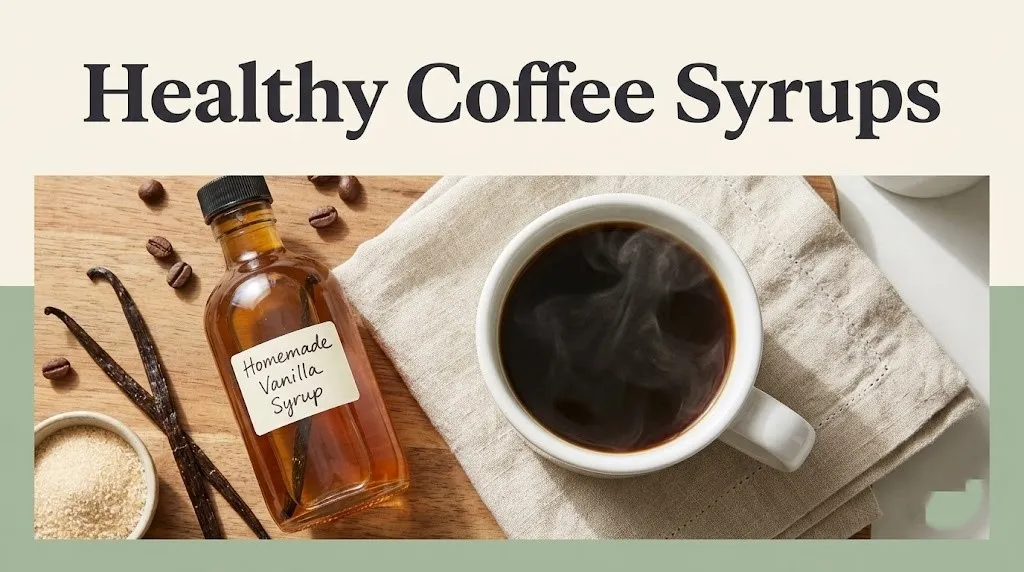
The vanilla source is the most important variable. Artificial vanilla flavoring, also called vanillin, is chemically identical to the primary flavor compound in real vanilla but lacks the hundreds of secondary flavor compounds that make real vanilla complex. Pure vanilla extract, made by steeping vanilla beans in alcohol, is the standard. A real vanilla bean, split and steeped, is the premium option. The visible vanilla bean specks suspended in the syrup are a visual cue that the syrup is homemade and real. They also contribute a deeper, more aromatic vanilla flavor that extract alone does not match.
Is Store Bought Sugar Free Syrup Bad for You?
Store-bought sugar-free syrup is not inherently bad for you, but many popular brands contain artificial sweeteners, preservatives, and synthetic flavors that health-conscious consumers may prefer to avoid. The term “bad for you” overstates the risk for most people, but “not as clean as you might assume” is an accurate description of the mainstream sugar-free syrup aisle.
Sucralose, the sweetener in most mainstream sugar-free syrups, is a chlorinated sugar derivative that the body does not metabolize. The FDA has reviewed over 110 studies on sucralose and maintains its GRAS status. Some research, including a 2022 review in the journal Microorganisms, suggests that sucralose may alter gut microbiota composition in ways that are not yet fully understood. The evidence is not conclusive enough to call sucralose dangerous, but it is enough to motivate a switch to monk fruit or allulose for anyone who prefers to minimize synthetic food additives.
Acesulfame potassium, the secondary sweetener often paired with sucralose, has been the subject of older rat studies that raised concerns about cancer risk. The FDA, European Food Safety Authority, and other regulatory bodies have reviewed the data and concluded that acesulfame potassium is safe at approved intake levels. Again, the health concern is not an acute toxicity risk. It is a preference for avoiding synthetic additives when natural alternatives exist. Sodium benzoate, a preservative in many syrups, can form trace amounts of benzene, a known carcinogen, when combined with ascorbic acid under certain heat and light conditions. The levels found in food are extremely low and considered safe, but the chemistry exists.
Key Takeaway: Mainstream sugar-free syrups are not poison. They are highly processed products that meet FDA safety standards. The healthier alternatives use fewer, more recognizable ingredients and achieve the same result without synthetic additives.
Coffee Syrup for Diabetics and Keto
Coffee syrups made with allulose, monk fruit, or stevia are appropriate for diabetics and keto dieters because they do not raise blood glucose or insulin levels. Allulose is particularly advantageous because it has a glycemic index of zero and may actually modestly blunt the blood sugar response from other carbohydrates consumed alongside it, according to a 2020 study in the British Journal of Nutrition.
The American Diabetes Association acknowledges that non-nutritive sweeteners can help reduce overall sugar and calorie intake when used as a replacement for sugar-sweetened beverages. The key word is replacement. Adding a monk fruit syrup to coffee that previously had two tablespoons of sugar syrup is a clear metabolic improvement. The syrup itself is not a health food. It is a harm reduction tool that allows someone managing diabetes or following a ketogenic diet to enjoy a flavored coffee without derailing their blood sugar or ketone targets.
For keto dieters, the net carbohydrate count of the syrup matters. Allulose contains 0.4 calories per gram, but because it is not metabolized, most keto guidelines treat it as zero net carbs. Monk fruit and stevia are zero net carbs. Erythritol is zero net carbs. The label may show total carbohydrates from these sweeteners, but the body does not process them as usable energy. Check the brand’s labeling for specific net carb calculations, and be aware that products labeled “sugar-free” can still contain maltodextrin or other fillers that do raise blood sugar.
Best Clean Ingredient Coffee Syrups 2026
The best clean-ingredient coffee syrups in 2026 are defined by short ingredient lists that read like a home recipe, sweeteners derived from plants rather than chemical synthesis, and flavorings from real food sources. The current top pick across multiple taste tests and ingredient audits is Wholesome Yum Zero Sugar Syrup, followed by ChocZero and Lakanto.
Wholesome Yum uses an allulose and monk fruit blend with natural flavors, no preservatives, and no sugar alcohols. The ingredient list for the vanilla flavor is water, allulose, monk fruit extract, natural flavors, and vanilla extract. That is it. Five ingredients. The texture is slightly thinner than a sugar syrup, but the flavor is clean, sweet without aftertaste, and genuinely vanilla-forward. The caramel flavor uses the same base, and because allulose can caramelize, the caramel note is more authentic than erythritol-based competitors.
ChocZero uses monk fruit and allulose with added vegetable glycerin for a thicker, more syrupy pour. The ingredient list includes natural flavors and vanilla extract. Lakanto uses monk fruit and erythritol, which is a clean sweetener blend but introduces the potential for cooling mouthfeel and digestive sensitivity in some users. The Lakanto ingredient list is short, with no preservatives or artificial colors, and the flavor is well-balanced.
Clean Ingredient Syrup Comparison 2026:
| Brand | Sweetener Base | Ingredients Count | Preservative-Free | Best Flavor |
|---|---|---|---|---|
| Wholesome Yum | Allulose + monk fruit | 5 | Yes | Vanilla |
| ChocZero | Monk fruit + allulose | 6 | Yes | Caramel |
| Lakanto | Monk fruit + erythritol | 5 | Yes | Hazelnut |
| SweetLeaf | Stevia glycerite | 4 | Yes | Vanilla Creme |
| Pyure | Stevia + erythritol | 6 | Yes | Caramel |
Frequently Asked Questions About Healthy Coffee Syrups
What is the healthiest syrup to put in coffee?
A syrup made with allulose or monk fruit and flavored with real vanilla extract is the healthiest option.
Wholesome Yum and ChocZero are the current clean-label leaders with short ingredient lists and no artificial additives.
Homemade syrup with allulose and a real vanilla bean is even cleaner, cheaper, and fully customizable.
Are sugar-free coffee syrups actually good for you?
Sugar-free coffee syrups made with monk fruit or allulose are a healthy replacement for sugar syrups because they eliminate empty calories and blood glucose spikes.
Syrups made with sucralose and preservatives are less healthy but still a better choice than full-sugar versions for weight management and diabetes control.
The health value depends entirely on the sweetener type and the rest of the ingredient list.
What sweetener is healthiest in coffee?
Allulose is currently the healthiest sweetener for coffee because it tastes like sugar, caramelizes like sugar, and has zero glycemic impact with minimal digestive side effects.
Monk fruit is a close second, best when blended with allulose rather than erythritol.
Stevia is a good third option for those who do not detect its bitter aftertaste.
Can I make my own healthy coffee syrup at home?
Yes, homemade healthy coffee syrup requires only water, allulose or monk fruit sweetener, and real vanilla or other flavor extracts.
Simmer one cup of allulose with one cup of water and a split vanilla bean for 10 minutes, then cool and bottle.
The homemade version costs about a third of store-bought and contains no preservatives or additives.
Does sugar-free coffee syrup spike insulin?
Allulose, monk fruit, and stevia do not spike insulin in human studies.
Sucralose’s effect on insulin is debated, with some research suggesting a small cephalic phase insulin response from the sweet taste alone.
For diabetics and those monitoring insulin, allulose and monk fruit are the safest sweetener choices for coffee syrup.
The coffee syrup you pour into your morning cup is a small daily decision that compounds across months and years. Switching from a sugar-based vanilla syrup to an allulose or monk fruit version eliminates roughly 8,000 grams of sugar and 32,000 empty calories per year if you drink one flavored coffee daily. That is more than 20 pounds of sugar that does not enter your bloodstream, spike your insulin, or settle into your daily energy cycle.
Pick a clean-ingredient bottle like Wholesome Yum or ChocZero if you want the grab-and-go solution. Spend 15 minutes making a batch of allulose vanilla syrup on a Sunday if you want the best flavor, the shortest ingredient list, and the lowest cost per serving. Either way, you get the vanilla, hazelnut, or caramel flavor that makes your coffee ritual satisfying, and you lose the sugar crash, the empty calories, and the processed ingredient hangover that comes with the standard syrup pump.